Alyssa Thomas Faces Death Threats — What's Really Going on in the WNBA?
By Jasmine Reed, PowerVault Staff The arena was electric, the stakes high, the players fierce. Amid the whistles and the explosions of a tightly contested game, the WNBA found itself once again at the center of a stor...

By Jasmine Reed, PowerVault Staff
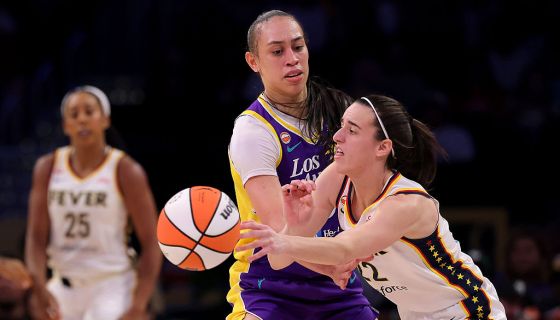
The arena was electric, the stakes high, the players fierce. Amid the whistles and the explosions of a tightly contested game, the WNBA found itself once again at the center of a storm. As the crowd erupted in cheers, a darker undercurrent swirled beneath the surface, revealing the ugly realities that often lurk just out of sight. In recent weeks, the league's narrative took a horrifying turn when Phoenix Mercury star Alyssa Thomas became the target of racial slurs and death threats after a hard foul during a pivotal matchup. This moment is not just an isolated incident; it is symptomatic of a much larger issue that has been festering in the WNBA and beyond.
For those who love the game, the surface-level excitement can mask the complexities at play. The WNBA is more than just a league of talented athletes; it serves as a microcosm of society at large, reflecting the challenges Black athletes face in a predominantly white sports ecosystem. The outpouring of vitriol directed at Thomas is a stark reminder of the pressure Black women in sports endure, not only to perform but also to navigate a world that is often hostile to their existence. When the cameras are on, we see the athlete. When they’re off, we see the humanity,and the vulnerabilities,that are frequently overlooked.
The WNBA has made strides in social justice advocacy, yet the league's leadership is now facing scrutiny like never before. Critics are asking the hard questions: why does it take public outrage for the league to respond to issues of racism and player safety? The reality is that the WNBA has a leadership problem that goes beyond individual incidents; it’s about the systemic failures within the organization that allow such behavior to persist. The silence from the upper echelons of the league following Thomas's ordeal is deafening. It raises alarm bells: are Black players' concerns being sidelined in favor of maintaining business as usual?
As the saxophones play louder, the sounds of discontent are unmistakable. Alyssa Thomas's plight serves as a clarion call, urging the league to take decisive action rather than wrap itself in the comforting cloak of performative allyship. Activists and concerned fans are demanding accountability, but where will that accountability come from? The tension between Black athletes demanding their rights and a predominantly white leadership structure that often appears indifferent is palpable. In the recent call for action, groups like the Martin Luther King Jr. Center highlighted the necessity for the WNBA to officially address the racial dynamics within the league and create a safe space for players.
Beyond the immediate threats and slurs lies a broader conversation about the mental and emotional toll that this kind of hostility takes on athletes. The pressure to excel in a high-stakes environment is magnified for Black women, who often find themselves as the only representatives of their communities on the court. They carry the weight of expectations not just to win games, but to be role models and advocates for change. The reality is that even as they shatter records and redefine what it means to be an athlete, they face a double-edged sword: the accolades are often bittersweet when coupled with the constant scrutiny and racism.
Take for example the response from Skylar Diggins, who recently expressed her frustrations about the inequities present in the WNBA. Her words echo a sentiment that many Black female athletes have voiced, articulating a sense of alienation not just from their league leadership but from the broader sports culture that often fails to recognize their contributions. Instead of receiving the support they need, these athletes frequently feel like they are fighting an uphill battle against a system that was not designed for them to succeed.
Moreover, the racial dynamics at play extend far beyond the immediate context of the WNBA. This is reflective of the larger sports landscape, where Black athletes are often dehumanized and subjected to scrutiny that their white counterparts can sidestep. As fans and supporters, it becomes imperative to examine the narratives that are perpetuated and challenge the status quo. What does it mean when a player like Alyssa Thomas, who has dedicated her life to the sport, becomes a target of hate? What does it say about the culture within the league and the society that surrounds it?
Furthermore, the WNBA is at a crossroads. The current leadership must address these issues head-on to foster not only an inclusive environment but also one that protects its players. The league’s future hinges on whether it will embrace a blueprint for change that prioritizes the voices of its athletes, especially the Black women who have been pivotal to its growth and visibility. If the league intends to stand behind its commitment to social justice, it must do so in a way that translates to real change rather than just slogans.
As the dust settles from the recent upheaval, one thing remains clear: this is a moment for growth and reflection. The WNBA cannot afford to ignore the rising chorus calling for change. It is time to put policies in place that safeguard players and ensure that incidents like what happened to Thomas are not just addressed in the moment but are resolved through systemic change. The players have made it clear that they will no longer tolerate being sidelined in conversations about their own safety and well-being.
In the coming weeks and months, fans should keep a close eye on how the league responds. Will it institute significant changes in its policies regarding player safety and inclusivity? Will it actively engage with its players to create an environment that fosters open dialogue and mutual respect? This is not just about basketball; this is about dignity, respect, and the fundamental right to feel safe in a space that is supposed to celebrate athletic excellence. The saxophones may be playing louder than ever, but this is an opportunity for the WNBA to harmonize its narrative with the lived experiences of its players. The world is watching, and history will judge whether this moment was a turning point or just another chapter in a long saga of inaction.