Kevin Durant vs. Draymond Green: The Unfinished Business of NBA Loyalty and Legacy
By Malik Carter, PowerVault Staff The night flickered alive with tension, as the glow of smartphones illuminated faces eager for a glimpse of drama. Kevin Durant, a man whose every move is scrutinized, found himself e...
By Malik Carter, PowerVault Staff
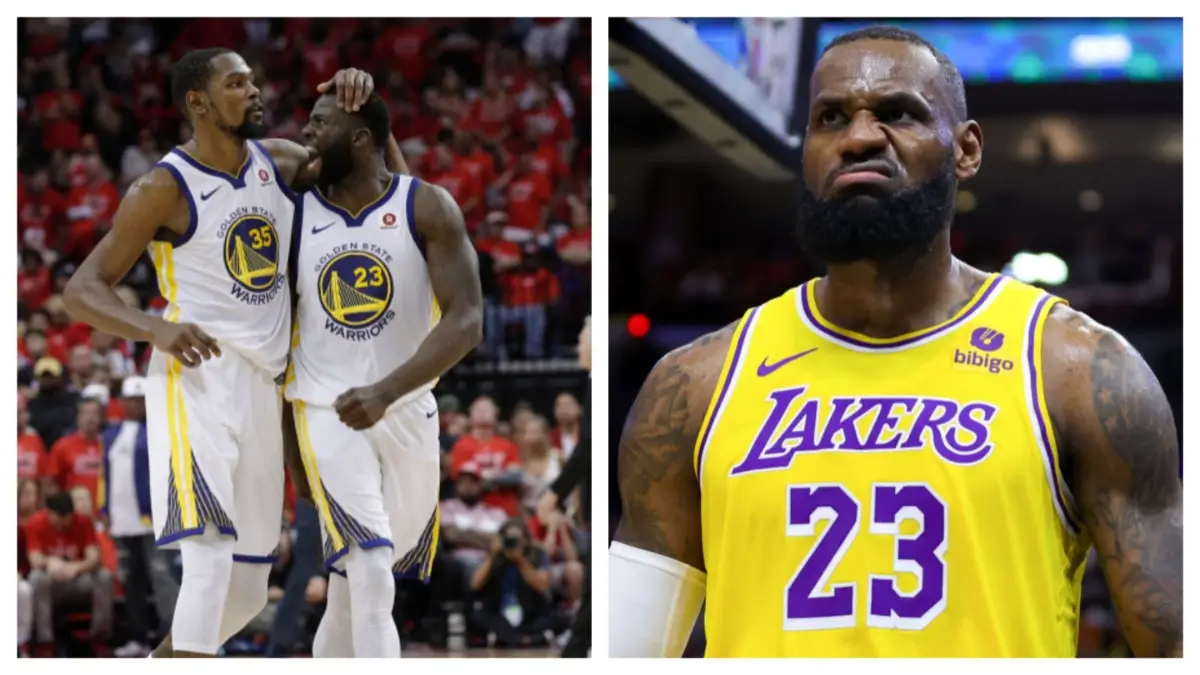
The night flickered alive with tension, as the glow of smartphones illuminated faces eager for a glimpse of drama. Kevin Durant, a man whose every move is scrutinized, found himself entangled in another social media spat. His clash with former Warriors teammates over LeBron James’ move to the Philadelphia 76ers was not just about the players involved. This was a generational moment reflecting the complexities of loyalty, legacy, and the unspoken rules governing a league dominated by Black excellence yet often fraught with expectations and criticisms.
When Durant made the controversial decision to join the Warriors in 2016, the aftermath was immediate and ruthless. Fans and pundits alike vilified him, labeling his choice as a betrayal against the very fabric of competitive sports. It was a punch in the gut for many, especially considering he was in his prime, an MVP candidate with a chance to build a legacy that could rival the greatest. He went from being the hunted to the hunter, trading the weight of his struggling Oklahoma City Thunder for the glittering promise of rings in Golden State.
Fast forward to now, and Durant still grapples with the ghosts of that decision. His recent comments suggest that the sting remains fresh. It’s clear he feels the need to defend his choices, especially as players like LeBron continue to make bold moves within their own narratives. But beyond the individual player dynamics, Durant's situation speaks volumes about the broader tension within the league. What does it mean for Black athletes when their decisions are dissected through a lens of racial scrutiny and historical context? In a league where Black athletes are predominant, their narratives often become the battleground for larger societal issues.
While the Warriors were a powerhouse, the criticism leveled at Durant was not merely about basketball. It highlighted a societal discomfort with Black success, especially when it appears, to some, like 'cheating' the system. The narrative suggests that while Black athletes are celebrated for their talent, they must also navigate a complex web of expectations and perceptions, often shaped by a predominantly white media landscape. In a culture that rewards loyalty, Durant’s quest for a championship was framed as a betrayal rather than a strategic decision,a stark reminder of how Black athletes are often judged by different standards.
View this post on Instagram
Draymond Green, a vocal leader and a warrior in his own right, is not one to back down either. His recent comments hint at a deeper frustration, possibly fueled by the intense pressures of media narratives that dissect Black masculinity and loyalty. As players like Green attempt to carve their own legacies within the same framework that once condemned Durant, they are forced to confront the uncomfortable truth of their place in a game that has historically sought to dictate the rules of engagement for Black athletes.
The conversation around team loyalty in the NBA often becomes a reflection of how Black bodies are perceived in society. When a player like Durant makes a move that benefits his career, it is examined through a lens of morality rather than strategy, while similar decisions made by white players tend to focus on their professional aspirations. This dichotomy raises crucial questions about the narratives being spun and whose stories are being told. The cultural context surrounding the NBA is intricate, with the weight of racial history and economic disparities affecting how players relate to their teams and fanbases. In many instances, their career choices are not just personal decisions but public statements laden with implications.
As the landscape of professional basketball continues to evolve, the dynamics of loyalty and legacy will remain pivotal. Durant's latest social media exchanges serve as a reminder that the past is never truly behind us, especially when it comes to decisions that affect not just careers but perceptions of Black excellence and resilience. What does it mean for the next generation of athletes watching this unfold? How do they reconcile their aspirations with the legacy of scrutiny that comes with being a Black athlete in a predominantly white league?
The road ahead is fraught with complexity. The NBA finds itself at an intersection of culture, business, and identity. Players are more than athletes; they are cultural icons, influencers, and sometimes, activists. They wield the power to shape narratives, yet they still grapple with the weight of history. The conversations ignited by Durant's social media jabs are not just about sports; they encapsulate the continued struggle for agency within a system that often seeks to impose its narratives on Black men.
As fans, the responsibility lies with the audience to engage critically with these dynamics. Support for athletes should extend beyond the court, recognizing the intricacies of their journeys and the societal pressures that shape their decisions. The NBA is undergoing a transformation, one where the voices of players are becoming increasingly powerful. As they push back against the old narratives, fans must also challenge the perceptions that have long governed the relationship between Black athletes and the sport.
What happens next remains to be seen. The beef between Durant and his former teammates may seem trivial on the surface, but it is rooted in something much deeper. It’s a reflection of the ongoing fight for respect, recognition, and the right to define one’s path in a world that often seeks to dictate the terms. As the season approaches, all eyes will be on how these narratives unfold, and how the players will continue to navigate the complex dynamics of loyalty, legacy, and the unyielding expectations placed upon them by society.