Albuquerque Halloween Shooting: What Does the Video Show?
By Renee Fontaine, PowerVault Staff Elaina Gomez-Villeda is accused of calling for a gun before her son, 10, fatally shot Keinerlein Rangel on Halloween in Albuquerque. Rangel was 16. At a Nov. The judge ordered her t...
Advertisement

By Renee Fontaine, PowerVault Staff
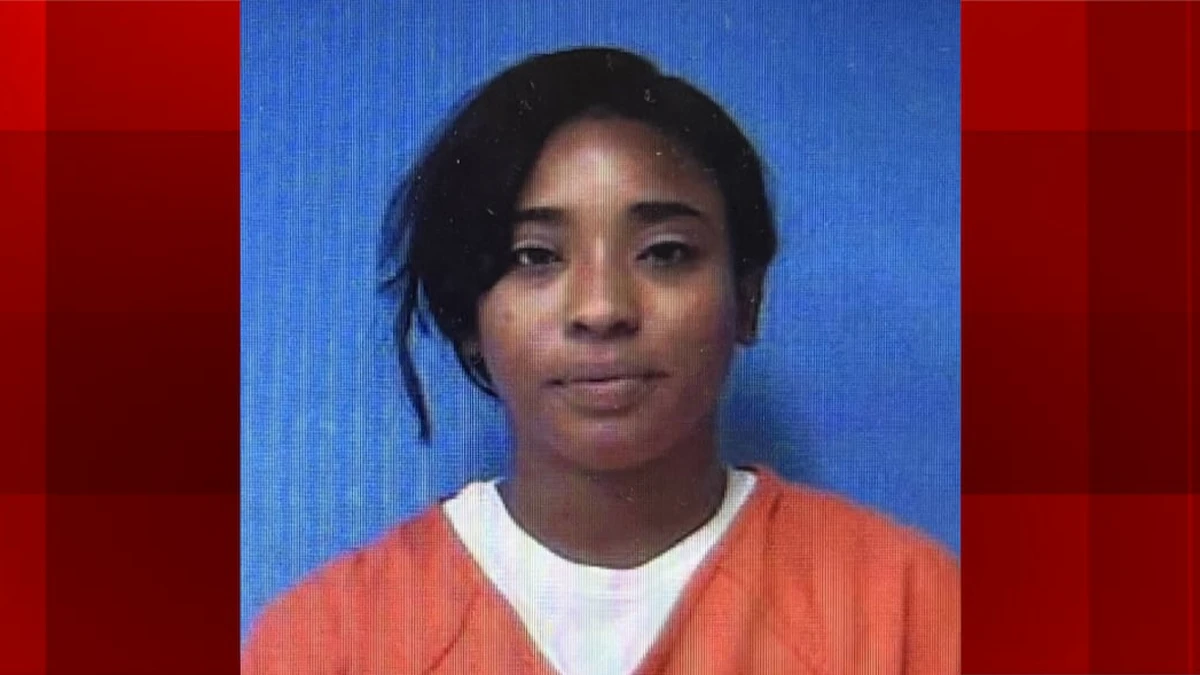
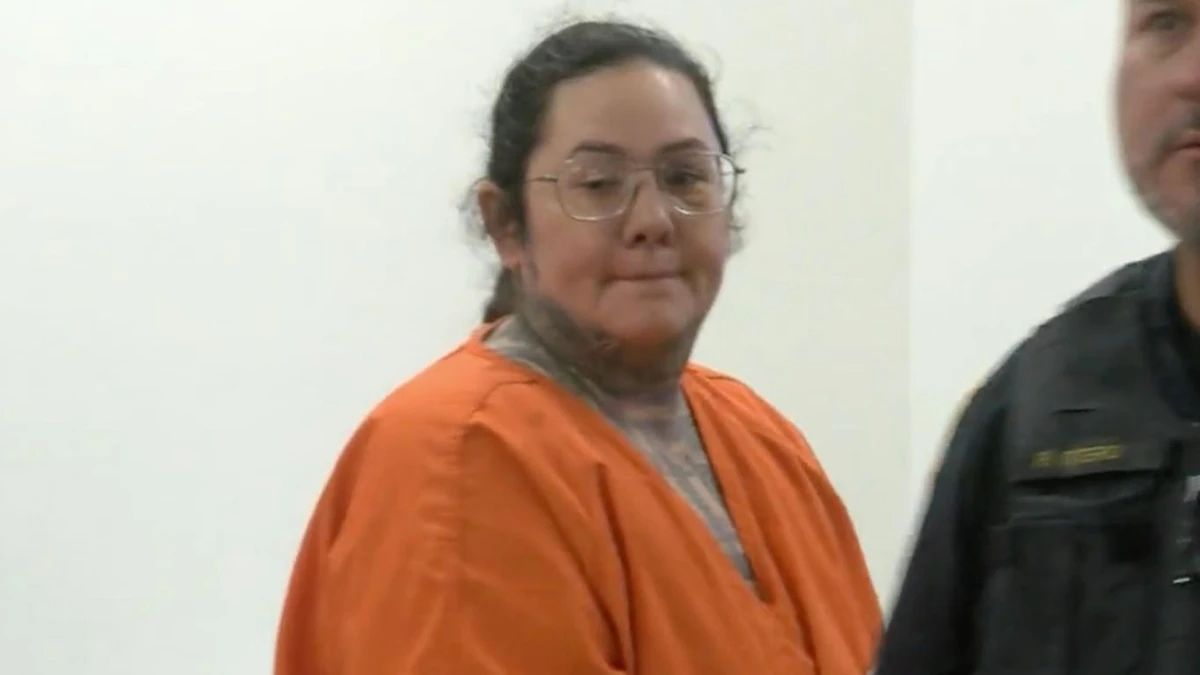
Elaina Gomez-Villeda is accused of calling for a gun before her son, 10, fatally shot Keinerlein Rangel on Halloween in Albuquerque. Rangel was 16. At a Nov. The judge ordered her to remain in custody.
KRQE’s reporting on the confrontation. Jewell also attributed a warning to her: “He’s going to shoot you.” The detective’s account describes an instruction to get a gun followed by a warning that someone would fire. Neither quoted line contains an order to shoot. That gap is where the defense has planted its argument.
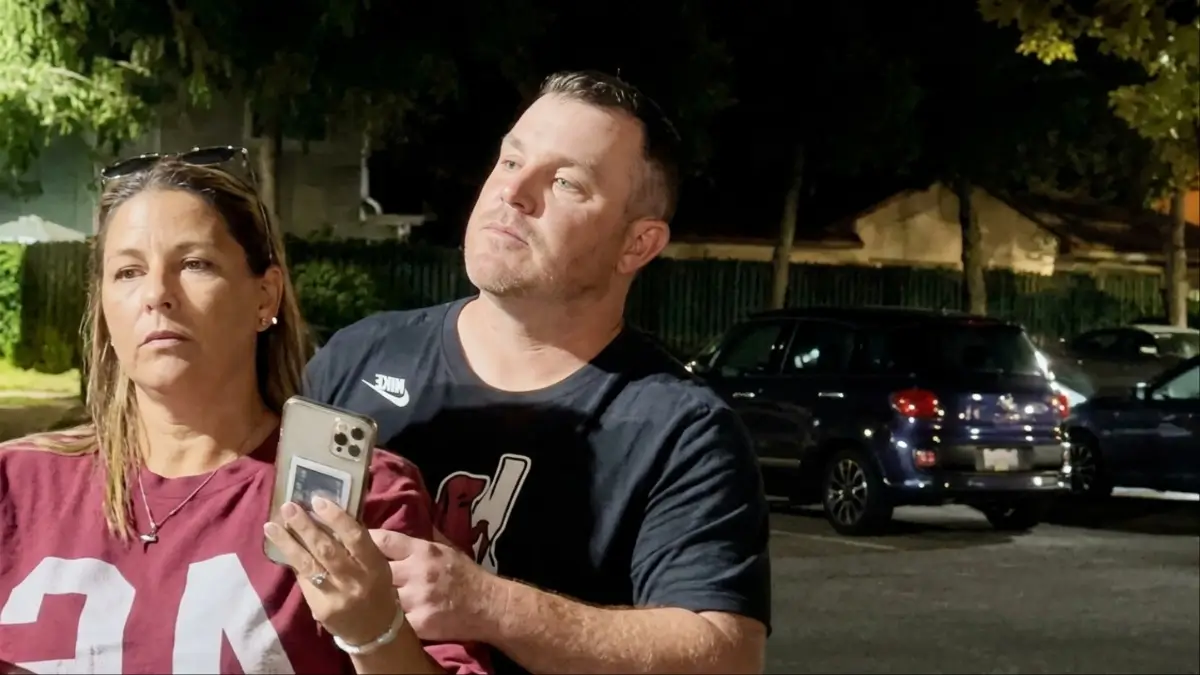
Gomez-Villeda and her son had returned from a Halloween event when she approached neighbors about loud music from the apartment next door. The dispute turned physical among the adults. Rangel, the neighbors’ daughter, and the boy became involved in a separate scuffle. That is the sequence to keep in mind when watching the clip below.
The court account supplies a sequence that matters more than any single image. Rangel turned toward Gomez-Villeda, and the boy ran into the apartment. He returned with a handgun and fired twice, according to testimony. The first shot missed. The second killed Rangel. The act of firing and the question of what the adults said or did beforehand call for different proof.
Defense attorney Roberta Yurcic told the court that the boy got the firearm after his mother was attacked with a drill and injured. She disputed the allegation that Gomez-Villeda directed him to fire. “Despite the state really wanting those words to have been spoken, they’re not, by the detective’s review, she never tells him to shoot,” Yurcic told the court. Keep the difference between retrieving the gun and being told to fire it in mind when watching the report below.
That distinction cuts both ways. The defense can dispute that Gomez-Villeda told her son to shoot without resolving who the instruction to get the gun was aimed at. The state can point to the warning without treating it as proof of what she knew earlier. The full recording, if available, matters here: how much of the exchange is audible, who is in view when the words are spoken, and what the recording leaves out. That is the same discipline behind PVN’s scrutiny of what a video actually shows.
After the shooting, Gomez-Villeda and her son went back inside, where a six-year-old child was also present. They barricaded the door and called 911. Police said Rangel’s father allegedly tried to force his way inside and broke a window during the call. Gomez-Villeda later acknowledged firing at him. “I thought we were gonna die,” she said, according to KRQE. Her account of fear belongs at the point in the sequence she was describing. It does not, on its own, explain what happened before Rangel was shot.
A child’s access to a gun is a question for the adults, not a character judgment on the child.
A child’s access to a gun is a question for the adults, not a character judgment on the child. The reported testimony says the boy went inside and came back armed. It does not establish how the gun had been stored, who controlled it, or what Gomez-Villeda knew about his access before the fight. Those distinctions matter to the charge that she negligently made a firearm accessible to a minor. The speed of his return cannot answer those questions by itself.
Judge Joseph Montaño cited public safety in keeping Gomez-Villeda in custody and questioned how a boy that young could handle a revolver with such apparent ease. “How can the court fashion conditions of release for circumstances like this?” he asked. That was a question about whether she could safely be released before trial, not a finding of guilt. Keep that limit in mind when watching the video below.
A judge’s concern can explain a custody ruling without settling what prosecutors can prove. KRQE reported charges including murder, conspiracy, child abuse and contributing to the delinquency of a minor. Those are distinct allegations, even when they arise from the same footage. PVN’s coverage of Tasia Fortune’s killing starts from the same question this case demands: What does the evidence actually establish, and what is somebody asking the court to infer?
Apartment neighbors share more than a wall. They may have to pass the same door the morning after a dispute. That proximity helps explain why the setting matters, but it tells readers nothing about the character of the people who live there. Calling this a killing over loud music gives the argument at the door too much explanatory power. The more useful question for families reading this is what stood between a child and a loaded gun before anybody raised their voice.
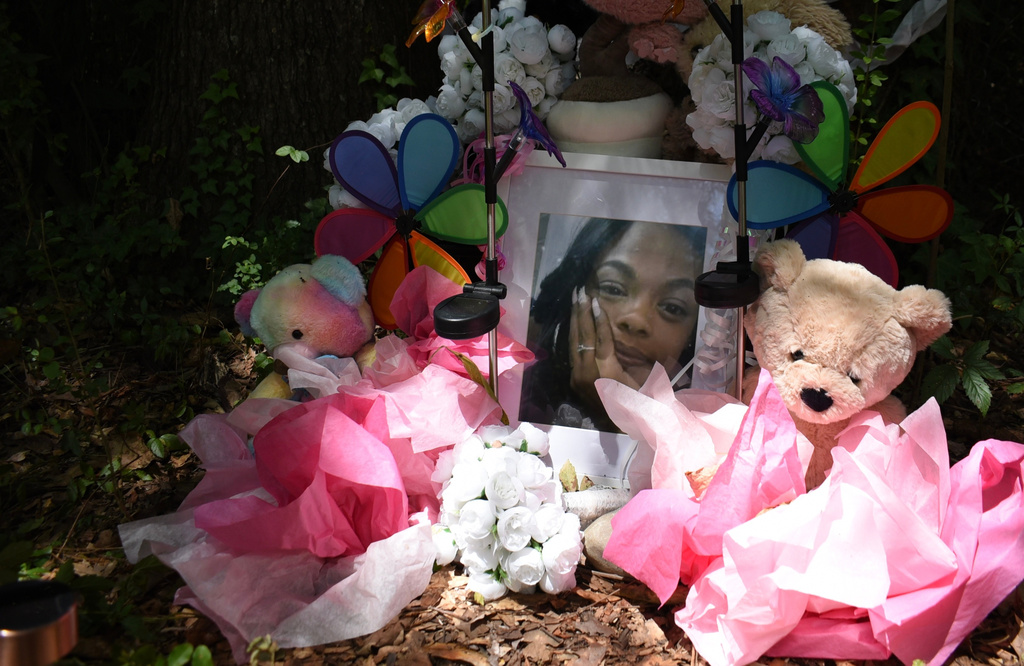
Keinerlein Rangel deserves to be named beyond the sentence that records her death. The available reporting does not include a remembrance from her family. That absence leaves readers with a detective’s account of her final minutes and very little about the person her family lost. Court coverage cannot fill that space by guessing, and an account of what her father allegedly did afterward cannot speak for her.
Advertisement
Watch for what the next public records establish about the full footage, the 911 call and access to the firearm. The recording and the call can help fix the order of events. Evidence about custody and storage can address who had control of the gun before the confrontation. The record should get more specific as the case moves forward. The headlines should have to catch up.
More from PowerVault Network: