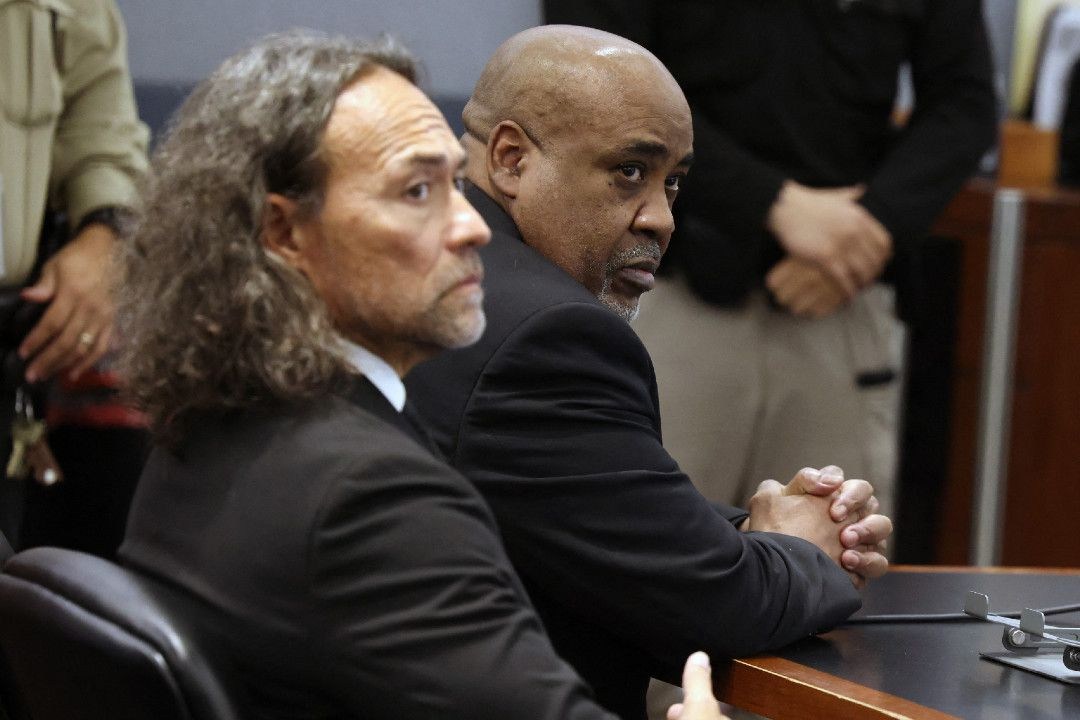
Former Texas Deputy Fires Rifle at Officers in Standoff
By Jasmine Reed, PowerVault Staff Daquita Irene Amacker survived a Texas standoff in which a sergeant says she fired at responding officers. Amacker, 38, is a former Bexar County sheriff’s deputy who worked at the cou...
Advertisement

By Jasmine Reed, PowerVault Staff
Daquita Irene Amacker survived a Texas standoff in which a sergeant says she fired at responding officers. Amacker, 38, is a former Bexar County sheriff’s deputy who worked at the county jail. Four children were inside the northwest San Antonio apartment. The standoff ended peacefully, according to PowerVault’s initial coverage, but that ending tells us less about what guided the police response than the headline might suggest.
The encounter began around 11:30 a.m. On Nov. 19, when a deputy tried to serve eviction papers. Amacker had barricaded herself inside the apartment with her four children, who ranged from 18 months to 10 years old. Bexar County Precinct 3 Sgt. Jaime Perales told the San Antonio Express-News that Amacker had an AR style rifle and fired at responding officers. The account of the gunfire comes from law enforcement.
Amacker’s parents arrived and told officers she appeared to be experiencing a crisis, according to the initial account. Their concern belongs in the story. It does not establish a diagnosis, explain the alleged gunfire or tell us how officers acted on what they heard. The reporting also does not establish when responding officers learned she had worked for the sheriff’s office.
PVN’s first concern is what comes after the scene clears for those four children. A peaceful resolution describes how the standoff ended. It does not answer what the children needed afterward. There’s a way to take their safety seriously without turning their private lives into a public search party. Follow the decisions adults made on their behalf, not details that would put the children on display.
Keep the eviction papers in the story, too. They explain why a deputy came to the apartment, not why Amacker allegedly fired. That distinction matters because leaving out the eviction reduces this to a call about a woman with a rifle. Treating the eviction as a motive goes too far the other way. The fact worth sitting with is that an attempt to serve housing papers became a police standoff with children inside.
The former deputy detail is doing a lot of work in how this story reads. A job at the county jail tells us Amacker worked inside the system. It doesn’t tell us who recognized her, whether anyone who responded knew her personally or whether her former job changed a single decision. PVN would want to know what officers knew about her before crediting professional familiarity for how the standoff ended.
A family member can give officers context that a stranger at the door can’t. Whether that context made a difference here remains unknown. The policy question is what happens when no relative can get there to explain what they’re seeing. Patience should not depend on whether somebody at the scene can vouch for you.
Patience should not depend on whether somebody at the scene can vouch for you.
For Black readers weighing how race shapes who gets read as a threat, nobody needs to turn this one encounter into proof of a double standard to take the question seriously. The reporting does not establish that race or professional ties shaped any decision. Still, the standard should travel: whatever room officers have to slow an encounter down, when it’s safe to do so, should be available to people with no badge in their past.
Any fuller account should put decisions in order. When did officers learn children were inside? What did they know before Amacker’s parents arrived, and what changed afterward, if anything? Dispatch records or body camera footage, if available, could help answer those questions. The public needs that sequence before anyone can point to a particular choice and say it helped bring the standoff to a peaceful end.
The group chat can hold two thoughts without making either one a disclaimer. The allegation that Amacker fired at officers deserves scrutiny. So do the decisions officers made once they were there. PVN’s coverage of what Aaliyah Jack’s sentencing could and could not tell us makes a useful editorial distinction: knowing how an episode ended does not give the public every answer about what came before. These are separate cases at different stages, and the distinction matters here precisely because the account is still incomplete.
Advertisement
Watch for an account that connects what officers knew to what they actually did, rather than one that simply credits the peaceful ending to good judgment. If a specific decision helped bring everyone through the standoff alive, the public deserves to know what it was and whether it can be applied elsewhere. The measure of a good response is whether the next family can count on it.
More from PowerVault Network: