Mercer Middle School: Who Authorized the Grooming?
By Simone Walker, PowerVault Staff Littles wants a Mercer Middle School teacher arrested, saying the teacher shaved her son’s pubic hair without her consent. Her son is 14, has disabilities and is nonverbal. Savannah-...
Advertisement

By Simone Walker, PowerVault Staff
Littles wants a Mercer Middle School teacher arrested, saying the teacher shaved her son’s pubic hair without her consent. Her son is 14, has disabilities and is nonverbal. Savannah-Chatham County Public Schools described the teacher’s actions as hygiene care. The district says its personnel review is closed. Its public response, however, does not say who authorized the care or what limits staff were expected to follow.
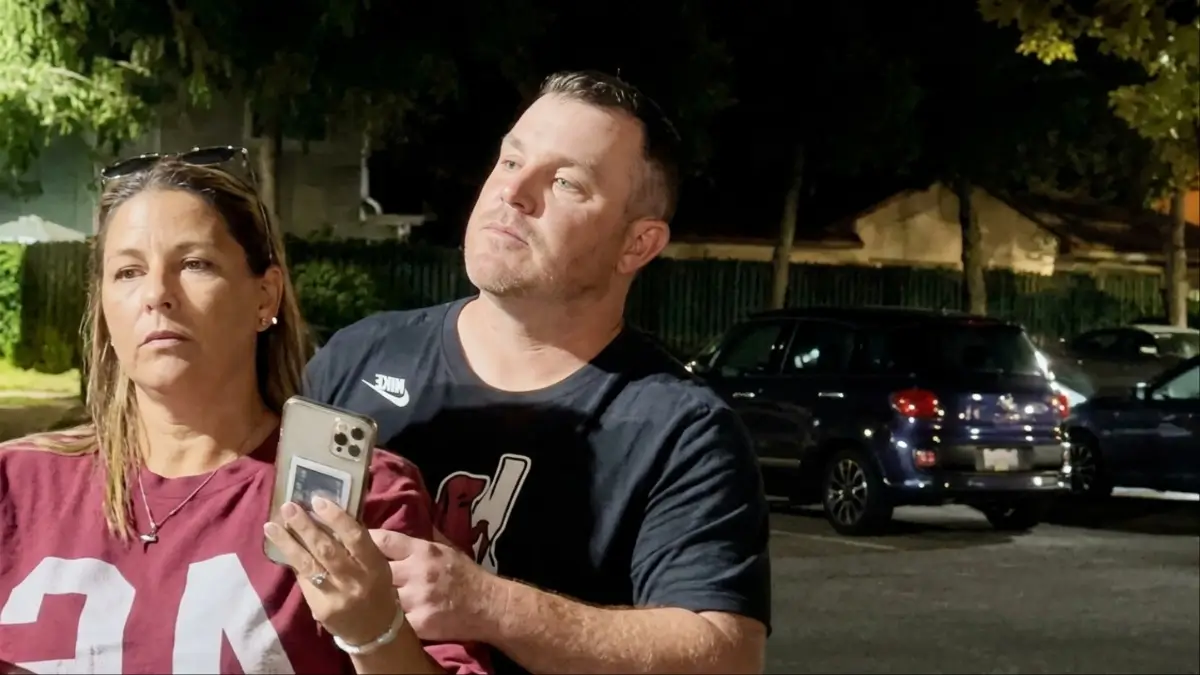
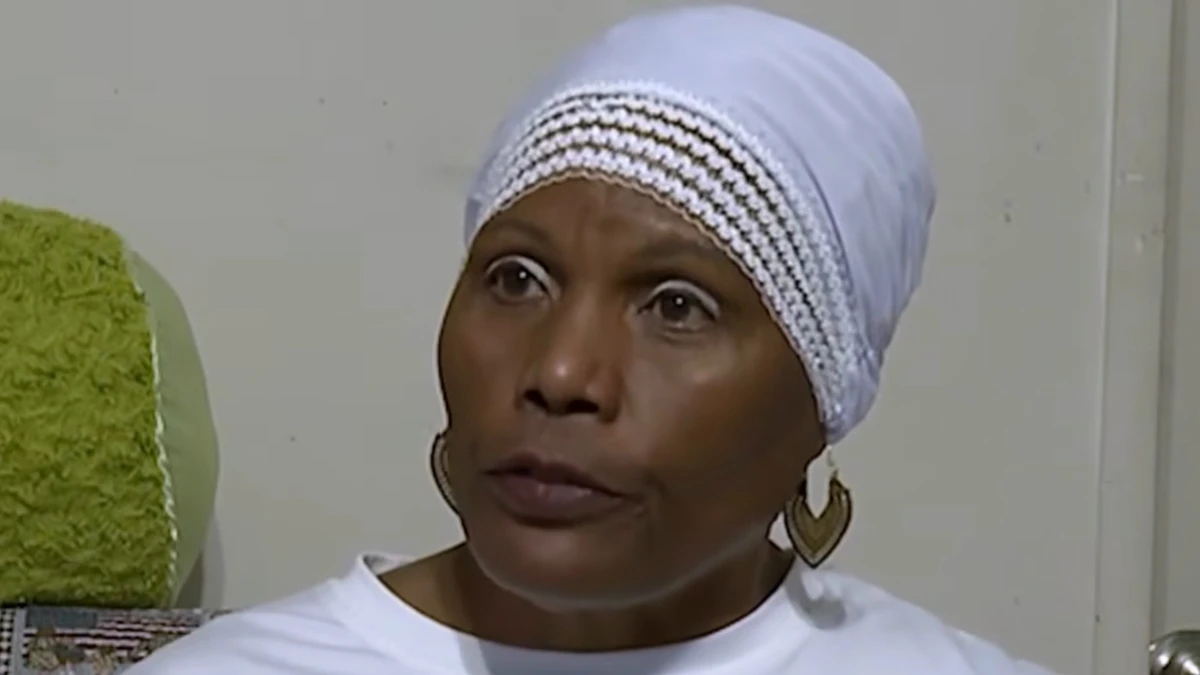
Littles, whom WJCL 22 News identified by her surname, said her son came home quieter than usual. That change prompted her to check on him. She said she took him to a hospital after discovering what she described. Her account establishes that she sought medical care, not what a clinician found. The available reporting does not include hospital findings.
Littles said she waited months to file a police report because she was trying to get answers from school officials. “It was a loss of time because the Board of Education lady, she was giving me a runaround,” she told WJCL. That is her explanation for the gap, not a finding about how the school handled her complaint. The interview below is where Littles describes what first caught her attention at home.
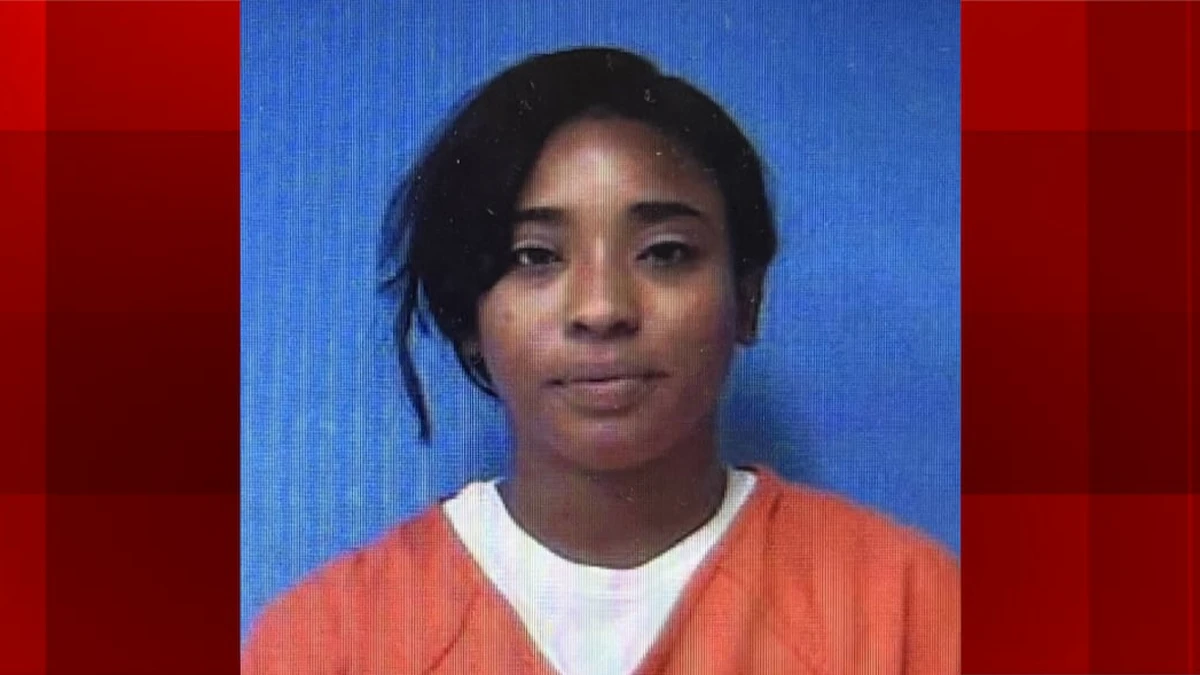
Littles’s account puts her first concerns at home, before the formal police report. That distinction matters when reviewing the delay. The filing date tells the public when she went to police, not when school personnel first heard what she was alleging. The school system’s police report names teacher Alicia Williams and classifies the matter as a misdemeanor sexual battery investigation. The report lists no arrest, and the classification does not establish that a crime occurred or that Williams committed one.
The district told WJCL that its police department investigated and consulted the District Attorney’s Office. It described Williams’s actions as providing “health and sanitary services to a student with severe disabilities.” The district’s description addresses what it says the teacher was doing. That gap is worth keeping in mind when watching the coverage below.
The district’s response gives three outcomes that should not be read as one. It says prosecutors found no evidence of a criminal act and the Division of Family and Children Services found the allegation unsubstantiated. Those are the district’s descriptions of the outside determinations. Its own Talent and Human Resources department closed its review. The district did not tell WJCL whether Williams remains employed, so the closure alone tells readers nothing about her job status.
Georgia’s child abuse reporting law and State Board of Education rule require local school boards to establish procedures for identifying and reporting suspected abuse. Teachers, administrators and other specified school employees must report suspected abuse involving children under 18. Those reporting duties do not answer whether an employee may perform the grooming Littles described. The first question is what staff may do. The second is what they must do when they suspect abuse. A district should be able to explain both.
A student does not owe a school a spoken objection before adults owe him an explanation.
PVN’s starting point is the boy’s dignity. A student does not owe a school a spoken objection before adults owe him an explanation. An intimate care plan should say how staff explain what they are about to do and how the student can signal discomfort or ask them to stop. The public does not need his medical records to ask whether the school has a policy that protects his privacy and gives him a way to be heard.
The institutional test is whether someone outside the classroom can reconstruct a decision without relying on memory alone. What need did staff identify, who approved the response and when was the family told? A written policy shows what should happen. A record made at the time can show what staff say happened. PVN’s coverage of what the Aaliyah Jack verdict could not tell us draws a distinction that applies here too: a legal outcome has a scope. It cannot answer every question about the institutions around a child.
For Black families reading this, the question of who gets heard does not require a finding of racial bias in this case. None is established by the available reporting. The power imbalance here is plain enough: the school controls its records, and a parent may have only what she saw and what staff will tell her. Readers can press for a public policy without asking a child to pay for that scrutiny with his privacy. PVN applies that same restraint in its coverage of what Chance the Rapper kept private, though the circumstances are different.
Advertisement
Littles says she moved her son to another school and still wants accountability. The district can answer a public question without laying out his private care: what policy was in effect, and what must staff document and tell a family when they depart from a student’s routine? That answer would give families something they can use before the next complaint, not just after a review closes. Parents should not have to spot a change at home to learn what their school permits.
More from PowerVault Network: