Tasia Fortune’s Killing: What Must Jackson Prove?
By Malik Carter, PowerVault Staff Police will revisit Tasia Fortune’s killing after a judge found too little evidence to move forward against Earnest Lloyd Jr. The case was sent back to Jackson policefor more investig...
Advertisement

By Malik Carter, PowerVault Staff
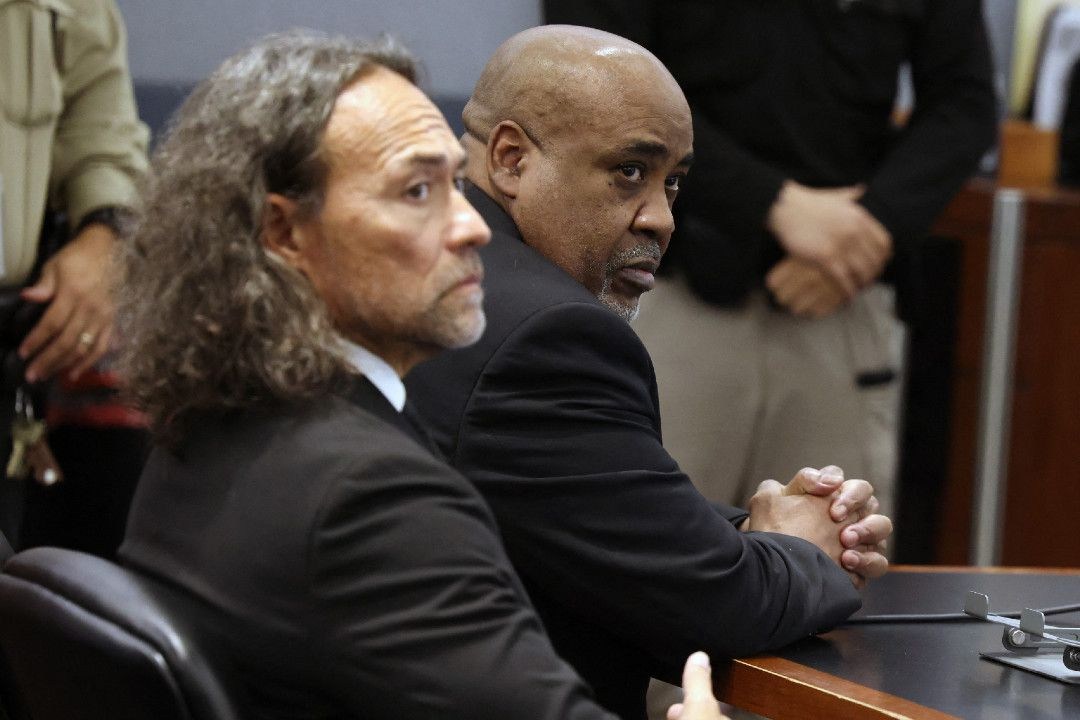
Police will revisit Tasia Fortune’s killing after a judge found too little evidence to move forward against Earnest Lloyd Jr. The case was sent back to Jackson policefor more investigation. That finding concerns the evidence against Lloyd. It does not resolve what happened to Fortune.
Lloyd did not appear in court Tuesday because he was being transferred from the Tallahatchie Correctional Facility to the Hinds County Detention Center. Mississippi state Public Defender Andre de Gruy told AP that his office did not represent Lloyd. That was his recommendation, not a reported release or dismissal.
Fortune was 29 when she was found hanging in a tree on Aug. 3. Jackson police Detective Samuel Dukes offered the department’s theory in court: “Fortune was killed in a disagreement about drugs, and she fought hard with her attackers before she was killed,” he testified. Investigators believe the scene was staged after Fortune died. That is the police account at the center of the case. The video accompanying coverage of Fortune’s killing is below.
The way Fortune was found carried a meaning in Mississippi long before police offered an explanation. State officials initially called for a civil rights investigation. Fortune’s death came during a period when several Black people were found hanging in trees across the South. Mississippi has more documented lynchings than any other state, a history that helps explain why the possibility of racial violence could not be brushed aside. The Washington Post’s reporting on deaths in Mississippi offers context for that fear, not evidence of what happened to Fortune.
All three men charged in Fortune’s death are Black. That fact does not prove the police theory about a drug dispute, just as the way Fortune was found does not establish a racial motive. Black readers should not have to choose between taking the history of racial terror seriously and demanding evidence in this case. And an allegation about a dispute does not establish Fortune’s role in it or license anybody to speculate about her private life.
Jackson police first arrested Jarques “Jock” Ratliff, 51, in September. They arrested Lloyd later that month, before Eric Clark, 45, turned himself in. Judge Jeffery Reynolds called the killing “heinous” and set Clark’s bond at $5 million after his arrest in late September. The bond was not a verdict, and the ruling on Lloyd does not automatically decide the cases against Clark or Ratliff. The reporting does not establish how either case will be affected.
For Fortune’s family, the ruling means another stretch without a tested answer about Lloyd’s alleged role. For Lloyd, the question de Gruy put on the table is whether he should remain jailed when prosecutors say they cannot take his case to a grand jury. Those stakes can coexist. PVN’s coverage of what a court ruling means for families starts from a distinction that matters here: a decision can change what happens next in court without answering the question a family needs answered.
Evidence that explains a scene may still tell a judge nothing about who was there.
Evidence that explains a scene may still tell a judge nothing about who was there. That is the distinction Jackson police should address when they explain what happens next. Which evidence supports their theory about what happened to Fortune, and which evidence connects Lloyd to it? The available reporting does not identify the specific gap the judge found. That is no basis to allege mishandled evidence, but it is reason to ask police to distinguish what they can establish from what they believe.
Readers following Fortune’s case can hold the coverage to that same standard. PVN’s reporting on what a verdict cannot tell us takes up a related point: even a later court outcome has limits. Here, the case against Lloyd has not reached a grand jury. A headline that turns that setback into an exoneration gets ahead of the record. So does one that calls him a killer.
Advertisement
The next useful update is whether Lloyd remains in custody, whether prosecutors seek more time or a dismissal, and whether investigators can explain what new evidence would change their position. Some details may need to stay out of public view during an active investigation. Police can still tell the public what the ruling means for the case and whether the other prosecutions are affected. What Fortune’s case needs now is evidence that can be tested, not a theory repeated with more confidence.
More from PowerVault Network: