Angel Reese Wins Defensive Player of the Year: What It Means for the WNBA and Black Athletes
By Tanya Brooks, PowerVault Staff In the high-stakes world of the WNBA, where every block, steal, and defensive stand can shift the momentum of a game, Angel Reese has emerged as a force to be reckoned with. The sweat...
By Tanya Brooks, PowerVault Staff
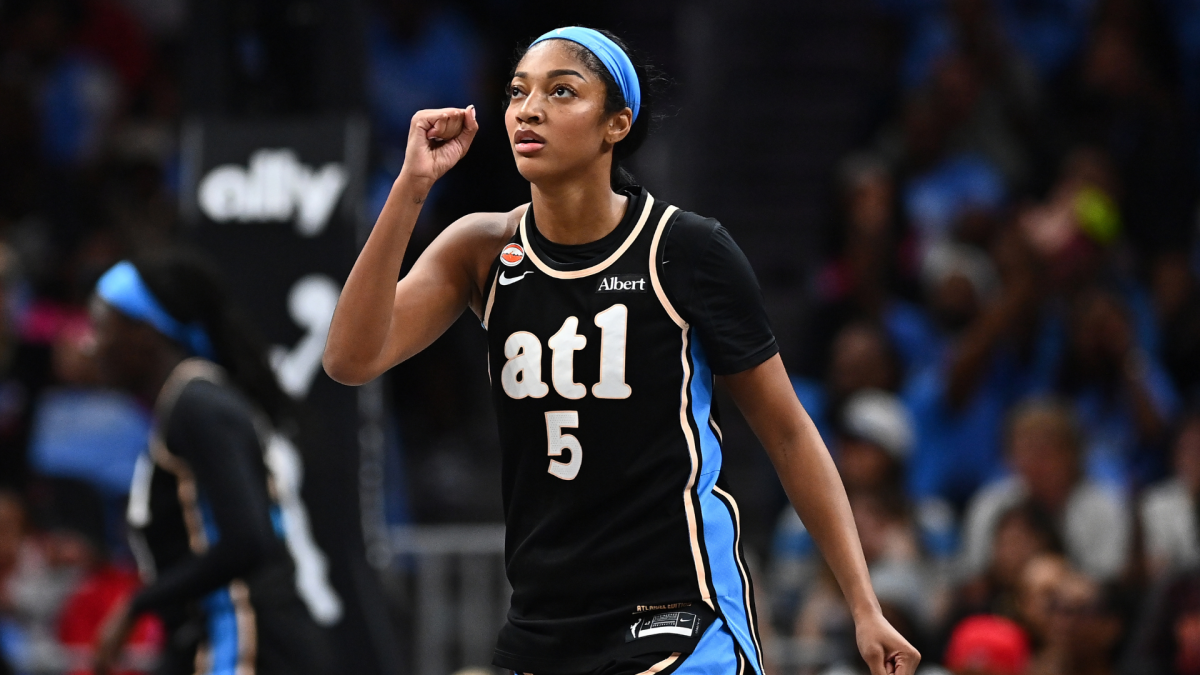
In the high-stakes world of the WNBA, where every block, steal, and defensive stand can shift the momentum of a game, Angel Reese has emerged as a force to be reckoned with. The sweat glistened on her brow as she hustled back on defense, eyes locked in, assessing the court like a chessboard. It was a moment of intensity that has become synonymous with her play, and it’s no wonder that she’s been named Defensive Player of the Year for the first time.
Reese's recognition isn’t just a personal accolade. It’s a significant milestone in the narrative arc of Black athletes who continue to break barriers within predominantly white leagues. In a season where the Minnesota Lynx have been showered with accolades, Reese’s defensive prowess stands out, cutting through the noise to emphasize the critical role defense plays in winning championships.
Angel Reese's journey to this award is a testament to her resilience and dedication, a journey that encapsulates the spirit of tenacity that many Black athletes in America know all too well. From a college standout to a professional powerhouse, Reese's rise in the WNBA has been meteoric. Her story resonates beyond statistics, touching on themes of representation, perseverance, and challenging the status quo in a league still grappling with issues of equity and visibility.
The WNBA is no stranger to systemic challenges. For years, it has fought for parity not just in terms of pay, but also in recognition and respect compared to its male counterpart. The league is a microcosm of the broader sports industry, where Black women often have to work twice as hard to receive half the recognition. Reese's award is a step forward, but it also is a reminder of the ongoing battle for equality. The fight isn't just about talent; it's about changing perceptions and demanding respect.
Reese herself is a product of this dynamic. Her defensive skills are not just innate; they are honed through countless hours of practice and an indomitable spirit shaped by her experiences. The video below showcases her in action, a testament to her relentless pursuit of excellence on the court.
Her impact goes beyond the court. As a Black athlete excelling at the highest level, Reese stands as a role model for young girls who dream of making it to the big leagues. Representation matters, and Reese's visibility helps to break down stereotypes and inspire the next generation of athletes. Her journey is both a personal triumph and a beacon of hope for those who follow.
Yet, as we celebrate her achievements, we must also reflect on the broader implications. What does Reese's award mean for the sport and its future? In a league where marketing and media attention have been predominantly skewed towards certain narratives, Reese's success forces a reevaluation. It challenges the mainstream sports media to broaden their scope and shine a light on the defensive stalwarts who often get overshadowed by offensive highlights.
The WNBA, much like other sports leagues, is at a crossroads. The demand for equity in coverage and pay cannot be ignored. Angel Reese's award is more than just a nod to her skills; it is a message that the league is ready to embrace a more inclusive narrative, one where defensive prowess is celebrated and where Black athletes are acknowledged for their contributions both on and off the court.
Reese has been vocal about the need for continued progress, a sentiment echoed by many of her peers. Her award speech touched on this, emphasizing the need for unity and strength in the face of adversity. Her words resonated with fans and athletes alike, sparking conversations about what it means to be a Black athlete in today's sports environment.
Moreover, the economic dynamics at play cannot be overlooked. The growing visibility of players like Reese can potentially translate into greater endorsement opportunities and financial security, areas where Black female athletes have historically been underserved. By excelling in her role, Reese not only uplifts her own career but also paves the way for future players to negotiate better terms and carve out a more equitable space within the sports industry.
Her achievement comes amidst a broader cultural shift. As athletes continue to leverage their platforms for social change, Reese's award is a reminder of the power of the collective voice. The video below captures the ceremony, a celebration of not just athletic excellence but also of the community’s potential to effect change.
This moment is pivotal for the WNBA as it navigates its identity in an evolving sports scene. The league's recognition of Reese is both a nod to her individual impact and an acknowledgment of the growing influence of Black athletes within its ranks. It is a celebration of diversity, excellence, and the ongoing struggle for equality and recognition.
Reese's success forces a reevaluation; it challenges mainstream sports media to broaden their scope.
Looking ahead, Reese's impact will continue to be felt. As the league evolves, so too will the opportunities for players to leave their mark. The challenge is to maintain this momentum, to ensure that the strides made today are not lost tomorrow. Fans and players alike must remain vigilant, advocating for a league that celebrates all facets of the game and champions equality at every turn.
In the end, Angel Reese's Defensive Player of the Year award is more than a personal victory; it is a symbol of hope, resilience, and the ongoing fight for justice and equality within the world of sports. It challenges us to think differently about the narratives we champion and reminds us that true progress lies in inclusivity and recognition of all talents.