
Beyoncé Says Guests Had No Idea She Was Marrying Jay-Z
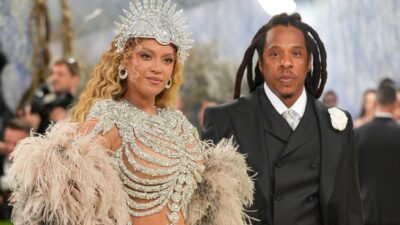
By Malik Carter, PowerVault Staff Beyoncé says most guests at her wedding to Jay-Z thought they were coming to a party, not a marriage ceremony. That detail turns an already famous private wedding into something more...
Advertisement

By Malik Carter, PowerVault Staff
Beyoncé says most guests at her wedding to Jay-Z thought they were coming to a party, not a marriage ceremony. That detail turns an already famous private wedding into something more interesting than another celebrity secrecy story. The people attending did not all get advance access to the biggest detail. Beyoncé and Jay-Z got to decide when their celebration became everybody else’s news. For a couple whose work has invited years of public attention, that distinction matters. Imagine showing up expecting a good evening and discovering you had been invited to witness a whole new chapter. The invitation offered a gathering. It did not offer ownership of the moment.
The account comes from Beyoncé’s interview with Eni Subair for i-D, published November 11. According to the interview, only their parents and a small circle of friends knew what the couple had planned at home. Most guests learned the real occasion after arriving. That is the reported surprise, and it deserves to stay that specific. There is no reason to add an invented security operation, a secret contract or a dramatic guest reaction. The invitation did the work here: it told guests where to show up without telling everyone what they would be witnessing. The interesting part already sits in the facts: two enormous stars managed to invite people into a personal occasion without advertising its purpose beforehand.
Tina Knowles had a different level of access and a much bigger assignment: making her daughter’s wedding dress. Asked to choose a favorite look her mother designed, Beyoncé picked that gown over the many outfits connected to her career. “Wearing a dress, she designed was very important to me, and more important than any designer dress,” she told i-D. Beyoncé pointed to the gown’s simplicity and her mother’s love as what made it special. That answer puts the value somewhere no fashion house can purchase. For someone with that much fashion history to choose from, selecting the wedding gown gives Tina a particularly personal kind of flowers. The dress mattered because of who made it and what their relationship carried into the ceremony.
Beyoncé and Jay-Z married on April 4, 2008. They now have three children: Blue Ivy and twins Rumi and Sir. Those facts give the wedding story its scale without requiring a full audit of their marriage. A recollection about invitations cannot establish how every year of a relationship felt behind closed doors. Neither can a treasured dress answer every question audiences have developed about the couple. The responsible read stays narrower and, frankly, more human. Even a famous family gets to remember a happy occasion without submitting its entire history for cross examination. Beyoncé remembers choosing a family creation for her wedding and keeping the ceremony close. That memory can hold its own without becoming evidence for anybody’s sweeping verdict on their household.
Their privacy has never meant their relationship stayed completely outside the work. Beyoncé and Jay-Z toured together on On the Run in 2014 and On the Run II in 2018. They also released Everything Is Love in 2018, making their partnership part of a shared musical project. Those choices help explain why fans feel invested. The couple has repeatedly created art that invites audiences to think about love, conflict, family and loyalty. Buying a ticket gives fans a seat at the performance, though, not a standing invitation into the household. Still, releasing an album together is a specific act of disclosure. It does not automatically turn an earlier wedding, or every later family decision, into an open assignment for public inspection.
Beyoncé’s career offers a useful history lesson in controlling access. Her self-titled album arrived without a conventional advance rollout in December 2013. Lemonade followed in 2016 as an album and film that placed intimate themes inside a carefully constructed artistic work. Her 2016 CFDA Fashion Icon acceptance speech also credited Tina’s labor and recalled designers’ reluctance to dress Destiny’s Child. These moments connect without being identical. Surprise can serve an album campaign; privacy can protect a wedding; a speech can restore credit to a mother whose work helped build an image. A release asks the public to engage with a product. A wedding invitation asks particular people to share an occasion. Those are different relationships, with different expectations attached. Treating all three as one publicity trick misses their different purposes. The constant is her power to choose the terms of presentation.
The real privilege here is deciding what the public gets, and what stays home.
A public career does not make every private milestone community property.
For Beyoncé, the wedding recollection makes a case for having a life that does not need an audience to count. Celebrity coverage often treats an unreleased photograph like a missing receipt. Sometimes it is simply a photograph nobody owes the room. A public career does not make every private milestone community property. That boundary should not depend on whether fans approve of a spouse, an outfit or a guest list. Nor does celebrating this memory require declaring their marriage perfect. We can appreciate the sweetness of a daughter choosing her mother’s work without asking that moment to settle every argument in the comments. Black love deserves room for tenderness without being drafted into a perfection contest. A mother’s dress and a quietly arranged ceremony are worth honoring on their own terms.
For the entertainment business, the distinction between a private occasion and a planned reveal needs more respect. Publicists build campaigns around access because access has value. An interview, an exclusive image and a personal anecdote can each become part of a release strategy. But this source does not establish a commercial arrangement behind the wedding or the new recollection. A story appearing in a magazine tells us where it was shared, not whether the original event was designed to sell something. Calling every intimate choice calculated is speculation wearing a press badge. PVN’s coverage of Beyoncé’s Cécred delay offers a related conversation about timing. The editorial job is to identify what timing actually supports, not assign a secret business motive whenever a famous woman chooses when to speak.
For the audience, the dress offers a better conversation than guessing what the wedding cost. Plenty of families know the aunt who alters a hem, the grandmother who saves fabric or the mother who makes an outfit happen. Those contributions rarely come with luxury packaging. They still hold a household’s history. Sometimes the person everyone calls before a big occasion is also the person nobody remembers to thank when the compliments start arriving. Beyoncé choosing Tina’s gown gives that labor its proper place beside the finished image. The same instinct runs through PVN’s coverage of Kandi Burruss’s Songwriters Hall of Fame nod: credit the maker, not only the person in the spotlight. The useful takeaway is not to copy a celebrity wedding. It is to recognize whose hands made a meaningful day possible.
Money complicates this conversation, and pretending otherwise would flatten it. A superstar couple can draw on resources most people do not have when arranging a private event. That freedom does not make privacy a luxury only wealthy people deserve. Race adds another layer to the dress discussion. Black women’s style gets celebrated constantly, while the women doing the sewing can disappear behind the final photograph. Tina’s place in Beyoncé’s answer resists that imbalance. Her contribution gets named instead of treated as background assistance. Calling it a mother’s loving gesture should not make the skill involved disappear, either. Affection and craftsmanship can occupy the same garment. The meaningful status symbol here is not an expensive label. It is a Black mother receiving public credit for work her daughter still treasures years later.
Advertisement
The next round of wedding chatter should keep that distinction intact: a new recollection gives readers something to discuss, not permission to manufacture missing scenes. Any further details deserve their own sourcing. Until then, the strongest conversation is about what people choose to preserve when everything around them can become content. Watch whether coverage keeps Tina’s craftsmanship in focus or rushes past it toward another round of marriage speculation. Beyoncé has already supplied the detail with staying power. The gown mattered more to her than a designer name. The label inside the dress was never going to tell the whole story.
More from PowerVault Network:
