Kandi Burruss Songwriters Hall of Fame Nod Hits Home
By DeShawn Price, PowerVault Staff Kandi Burruss grew emotional over her reported Songwriters Hall of Fame nomination, putting her songwriting legacy back at the center. For viewers who know her mainly through reality...
Advertisement

By DeShawn Price, PowerVault Staff
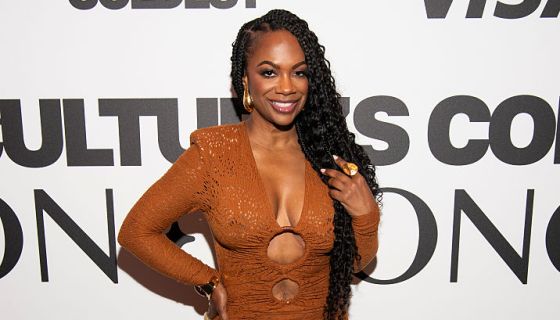
Kandi Burruss grew emotional over her reported Songwriters Hall of Fame nomination, putting her songwriting legacy back at the center. For viewers who know her mainly through reality television, that recognition might sound like a surprising career turn. For anybody who has actually checked the credits, the pen has been doing the talking for decades. Before the confessionals, there were choruses that became part of our relationship vocabulary. The distinction matters here: a nomination is not an induction. Still, being considered for an institution devoted to songwriters gives this moment weight beyond another celebrity congratulating herself on Instagram. Burruss has songs that can make the argument without her saying another word.
Bossip reports that Burruss shared the news on Instagram and connected her tears to a difficult year of public commentary. The outlet also documented supportive responses from fans and celebrities, without providing a complete roster in the supplied reporting. “All the positive vibes are making my heart smile!” she wrote, letting supporters know their congratulations were reaching her beyond the initial rush of recognition. Its coverage of the Songwriters Hall of Fame nominees supplies the context for this recognition. Her writing credits include Destiny’s Child’s “Bills, Bills, Bills,” TLC’s “No Scrubs,” Pink’s “There You Go,” NSYNC’s “It Makes Me Ill,” and Usher’s “Pop Ya Collar.” That is a catalog crossing groups, solo acts, and different corners of pop and R&B.
Burruss described the emotional cost of staying visible when public conversation turns personal. “It’s been so much crazy stuff being said about me over this past year that sometimes, it’s real heavy, and I keep moving,” she said in the Instagram remarks quoted by Bossip. Her next thought put the recognition in spiritual terms: “What God got for you is still gon’ happen. It’s still meant for you.” Those words explain why the announcement landed as more than a professional update. She presented it as reassurance during a painful stretch. That testimony will sound familiar to anybody who has needed encouragement while still showing up and doing their job. The catalog behind that emotion provides the context for the music clip below.
The music offers a useful reset after such a personal statement: songwriting is work, not simply celebrity proximity. A writing credit can reflect contributions to lyrics, melody, or other compositional elements, depending on the collaboration. It does not automatically mean one person created an entire record alone. Burruss’s accomplishments need no inflated version. Her credited collaborators matter, including fellow Xscape member Tameka “Tiny” Harris and producer Kevin “She’kspere” Briggs on “No Scrubs.” Burruss and Harris also brought their songwriting to Xscape, making their creative partnership part of the group’s story. Giving Kandi her flowers should never require taking flowers from somebody else. The stronger argument is that she belongs in the conversation because she helped build songs listeners still recognize almost immediately.
The range deserves attention, too. “Bills, Bills, Bills” turns financial frustration into an instantly recognizable relationship record. “No Scrubs” makes standards sound catchy enough for a whole room to sing together. NSYNC’s “It Makes Me Ill” places Burruss’s work inside a different group’s pop machinery. Writing for different voices requires understanding what a performer can sell emotionally, not just handing everybody the same catchy hook. These credits show why describing her only as an R&B performer misses part of her reach. Songs travel under the recording artist’s name, while writers can remain less visible to casual listeners. Burruss has occupied both positions, singing with Xscape and contributing behind other artists’ microphones. That difference is worth keeping in mind through the next music clip.
Those clips belong to a longer conversation about who gets remembered when a hit becomes everybody’s property emotionally. TLC released “No Scrubs” in 1999, and the song earned the Grammy for Best R&B Song in 2000. Burruss later joined “The Real Housewives of Atlanta” in 2009, introducing her to viewers through an entirely different format. That sequence matters. The songwriting success preceded the reality television fame, even if younger audiences discovered the woman before discovering her credits. Finding her through Bravo is not the problem; treating Bravo as the beginning of her professional history is where the record needs correcting. Black women have pushed against that visibility gap for generations. Missy Elliott’s 2019 Songwriters Hall of Fame induction, the first for a female rapper, offered another example of an institution formally recognizing work listeners already knew by heart.
The real question is why her songwriting résumé still needs an introduction after all these years.
A Black woman should not have to survive a public storm before people remember she helped write their soundtrack.
For Burruss personally, the nomination offers recognition in a language that public controversy cannot fully control: the work itself. That does not make an honor a verdict on every disagreement involving her. Awards cannot settle private disputes, and professional achievement does not make anyone beyond criticism. But neither should criticism erase a documented career. A Black woman should not have to survive a public storm before people remember she helped write their soundtrack. Support does not require pretending to know what happened behind closed doors or repeating allegations just to dismiss them. The healthier approach is to celebrate the accomplishment without turning it into a courtroom victory over unnamed enemies. Her tears deserve room to be about pride, exhaustion, gratitude, or all three, without strangers assigning a hidden strategy to every emotion.
For the industry, this moment exposes the difference between selling a personality and recognizing a craft. Reality television rewards memorable scenes; songwriting depends on decisions listeners may never consciously notice. A sharp phrase, a melodic turn, or a chorus that survives the radio cycle can outlast an entire season of television. Yet promotional coverage often reaches for the familiar cast label before the writing credits. That shorthand gives audiences an easy point of entry, but it also lets a television storyline become the frame for an entire music career. PVN’s coverage of Lil Kim’s Hard Core anniversary belongs to that broader conversation about whose contributions receive lasting attention. Celebrating longevity requires more than resurfacing old pictures. It requires naming the actual work. Carry that distinction into the Instagram post below.
For audiences reading that post alongside the nomination coverage, the useful response goes beyond choosing a cheering section. There is room to enjoy reality television without letting its conflicts become somebody’s permanent job description. Open the credits on a favorite album. Notice who appears across artists and labels. Share the song along with the congratulatory post. Those habits give creative labor a better chance of surviving the attention cycle. The group chat can handle a little discovery, too: that familiar hook might connect two artists nobody thought to put in the same conversation. PVN’s coverage of Prince’s 3121 Las Vegas live release offers another opening for that kind of listening. A catalog becomes a living inheritance when younger listeners actually encounter it, not merely when older fans insist they should already know.
Race and gender shape whose expertise gets treated as the headline and whose personality becomes the distraction. Black women in entertainment can be expected to deliver the product, manage the room, absorb the criticism, and remain pleasant through every question. Burruss’s public image also includes business ownership and television visibility, which can obscure the skilled labor underneath the brand. Being recognizable is not the same as being recognized for the expertise that helped build that visibility. Songwriting brings a separate financial structure into view: composition rights, publishing arrangements, and performance royalties. Those structures matter, but her specific contracts and earnings are not established here. No imaginary wealth figure is needed to make the point. Naming her contribution accurately helps resist an entertainment economy that loves Black women’s output while minimizing their authorship.
Advertisement
The next development to watch is the Hall’s official selection announcement, not speculation about what this recognition supposedly proves about Burruss’s personal life. Until then, nomination and induction must remain separate words. Her catalog can also support a richer conversation than a victory lap: which songs did listeners know, which credits surprised them, and who else helped create those records? That is where celebration becomes discovery. Give Burruss the congratulations, keep the reporting precise, and leave room for the collaborators whose names belong beside hers. The next time one of those choruses starts, remember that the woman behind the pen deserves recognition before the camera finds her tears.
More from PowerVault Network: