
Beyoncé’s BeyGOOD Gives $50,000 to Teen Literacy Program
By Renee Fontaine, PowerVault Staff Beyoncé’s BeyGOOD Foundation has awarded $50,000 to a teen literacy program whose young tutors also create children’s books. The recipient, Reach, Incorporated, works in Washington,...
Advertisement

By Renee Fontaine, PowerVault Staff
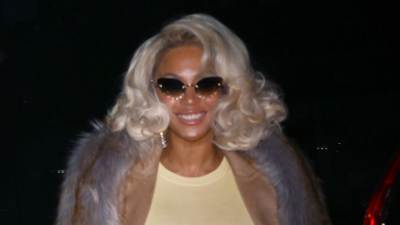
Beyoncé’s BeyGOOD Foundation has awarded $50,000 to a teen literacy program whose young tutors also create children’s books. The recipient, Reach, Incorporated, works in Washington, D.C., and has its 2026 Book Launch Party scheduled for November 19. That puts the gift ahead of a celebration where teenagers get recognized as authors, not simply students needing help. Beyoncé brings the headline power. The young people bring the work. Both deserve attention, but the second part should not disappear once the superstar’s name gets everyone through the door. There are actual books behind this check. The assignment is to celebrate the generosity while giving those young creators the kind of attention their work deserves.
According to PowerVault Network’s report on the award, BeyGOOD announced the grant November 9, ten days before the scheduled launch celebration. “BeyGOOD is excited to award a $50,000 grant to Reach, Incorporated!” the foundation wrote in its announcement. Its accompanying posts described a program pairing literacy instruction with mentorship. That timing gives the upcoming author celebration a publicity boost, though the announcement does not establish a coordinated promotional arrangement. The available announcement does not provide a spending breakdown, so there is no basis to assign that money to salaries, printing or a particular group of students. The confirmed news is strong enough without dressing it up. Reach received a substantial award connected to work its teenagers were already doing.
During the school year, participating teens visit elementary schools twice a week to tutor younger students, according to BeyGOOD. That schedule matters because mentorship needs repetition. A familiar face returning regularly offers something a single celebrity visit cannot: a relationship with room to develop. It also makes this a recurring responsibility, not just a photo opportunity where everybody smiles over an open book and heads home. The teenagers also occupy a role schools do not always give them. They are responsible for helping someone else learn. That does not prove every participant becomes a stronger reader or a more confident leader. Those outcomes require evidence. It does show that the program treats young people as contributors with something useful to teach.
Reach’s Summer Leadership Academy adds another dimension through its Teen Publishing Project. The organization says tutors can write, illustrate, research and take photographs for children’s books. Those are distinct creative responsibilities, not interchangeable labels for showing up. A teenager who gravitates toward images has a way in. Someone drawn to facts or storytelling has one, too. BeyGOOD also highlighted participants working with professionals during the academy, bringing access to experienced guidance into that creative process rather than leaving talent unsupported. Readers can learn more through Reach’s own website. The books remain available after the summer academy ends, according to the program description. That gives the work a life beyond a closing ceremony and gives participants a finished project they can point to afterward.
The November 19 event is billed as a book launch, and that wording deserves its full weight. These teenagers are preparing to present work made for readers. A launch invites attention to the product itself: whose story appears, how the pictures serve it and what a younger child might take away. That is a different conversation from praising participation alone. The creative decisions deserve curiosity, not just a quick compliment about potential. The provided announcement does not identify this year’s titles, authors, venue or purchasing details. Those specifics should come from Reach rather than guesswork. Still, the distinction is meaningful. A literacy program can ask teenagers to practice reading. This one also gives them a route toward making what somebody else reads.
Black communities have long understood literacy as a route to power, even when institutions tried to block access. During Freedom Summer in Mississippi in 1964, Freedom Schools connected education with Black history, political participation and the lives students actually lived. Reach is a different program operating in a different era. The connection is a principle, not a claim of direct lineage: young people deserve education that recognizes their ability to shape their communities. For Black readers, that distinction matters. We can recognize a familiar belief in education as collective advancement without assigning this organization a history or identity the reporting has not established. Beyoncé’s support also belongs within her established philanthropic work through BeyGOOD. The useful historical comparison concerns agency. Learning becomes more powerful when students can use it to speak, create and help somebody else.
The real test is whether the teenagers remain visible after Beyoncé’s name does its job.
The applause should open a door, not become the whole opportunity.
For the participants, the biggest opportunity may be getting treated like working creators before the professional world grants them permission. Too many conversations about teenagers begin with what they lack. Here, they can arrive with a manuscript, an illustration or research that helped finish a book. That changes the introduction. It should also change how adults cover the celebration. Ask about creative choices. Ask what needed revision. Give the young authors room to explain their work instead of reducing them to grateful recipients. A thoughtful interview can recognize the labor behind a finished page, including decisions an audience might otherwise miss while admiring the final result. The applause should open a door, not become the whole opportunity. A famous supporter can attract attention, but the students deserve to hold it on their own terms.
For entertainment philanthropy, this grant offers a useful standard: spotlight a functioning organization instead of making the celebrity the entire production. A polished announcement can help a cause reach people who would never encounter it otherwise. Publicity is not automatically the enemy of meaningful giving. A recognizable name is a powerful distribution tool; the editorial choice is whether coverage sends that attention onward or stops at the star. The problem starts when the announcement gets more scrutiny than the follow through. Here, responsible coverage should distinguish the confirmed $50,000 award from outcomes nobody has documented yet. Questions about continued support, program capacity and future results are fair. They are not shade. A good check deserves flowers; a lasting commitment deserves a separate, evidence based assessment. Those standards can coexist without diminishing the gift.
For readers, the invitation is to notice creative work before commercial gatekeepers declare it valuable. Black audiences already know how quickly a song, film or hometown storyteller can become essential to everyday life. The same curiosity can extend to young authors without pretending every school project is a future bestseller. Read the work. Take the ideas seriously. A book does not need a celebrity blurb or a viral sales week to deserve a reader willing to engage with its actual pages. Our coverage of DJ Screw’s Grey Tapes and Houston rap history approaches another side of that larger concern: who gets recognized for making something that matters. These are different stories, but both reward attention to the creator behind the object. Recognition should not begin only after somebody becomes famous.
Money and access still shape who gets to call themselves an author without having to explain the title. A young person needs time, materials, guidance and a route to readers. Families have unequal access to those resources, and racial inequality compounds that divide. Even strong encouragement cannot substitute for practical support when a promising idea needs development, production and a way to reach an audience. The supplied announcement does not identify the participants’ racial backgrounds or household incomes, so those details should not be assumed. The broader issue remains relevant to Black readers: talent does not arrive with a printing budget attached. Grants can help organizations provide support, but celebrity generosity cannot carry the public obligation to educate children. Schools and libraries deserve dependable investment, not a standing instruction to find a famous benefactor.
Advertisement
Next comes Reach’s scheduled November 19 launch, where the attention should move toward the books and the teenagers behind them. Readers interested in attending, purchasing titles or supporting the organization should check Reach’s official channels for confirmed details. Future coverage should ask what the award supported and hear directly from participants about their experience. Their answers deserve space beyond a reaction quote about having a superstar’s support. Beyoncé has helped put a spotlight on this work, and that deserves celebration. Now the challenge belongs to everyone watching: give the young creators more than a passing compliment underneath a celebrity headline. When the students get their turn to speak, keep the microphone on.
More from PowerVault Network:
