
Birdman Exits Lil Wayne Tour Bus Driver's Civil Lawsuit
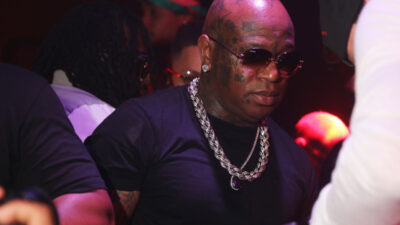
By DeShawn Price, PowerVault Staff Birdman is out of the Lil Wayne tour bus driver's civil lawsuit after a Georgia judge found insufficient evidence connecting him to the shooting. Cash Money Records was dismissed, to...
Advertisement

By DeShawn Price, PowerVault Staff
Birdman is out of the Lil Wayne tour bus driver's civil lawsuit after a Georgia judge found insufficient evidence connecting him to the shooting. Cash Money Records was dismissed, too. That is a significant legal win for a rap executive whose name has followed this case for years. But the ruling deserves more precision than a victory caption can offer. After this much time, an update needs to travel just as far as the original allegations did. The reported decision concerns evidence against these defendants, not whether the 2015 attack happened or whether the driver experienced fear. Those distinctions matter, especially when a decade of headlines gets compressed into one celebratory post.
According to TMZ's reporting on the court order, a Georgia judge dismissed Birdman, whose legal name is Bryan Williams, and Cash Money on Tuesday. Driver Alvin Lewis had sought compensation over the attack on Lil Wayne's tour bus. His civil claims described continuing physical and emotional injuries, along with lost wages. Lewis alleged that the shooting left him fearing for his life, making the claimed harm central to his compensation request. The judge found that Birdman was not in Georgia that night. More directly, Lewis failed to “identify any admissible evidence that Bryan Williams or Cash Money Records were involved in the bus shooting,” TMZ reported. That quoted finding is the center of this development, not a footnote beneath the famous name.
Admissible is doing serious work in that sentence. Courts do not treat every allegation, association or widely repeated claim as evidence they can use. Material must meet legal requirements before it can support a claim against a particular defendant. Something circulating for years does not gain legal standing simply because everybody in the comments remembers hearing it. Birdman's absence from Georgia was one reported finding. The separate finding about admissible evidence addressed the larger question of connecting him or Cash Money to the attack. Treating his location as the entire explanation would flatten the decision. The public may recognize a name and remember a dispute. A court still needs evidence tied to the conduct alleged against that person or company.
Lewis's account of harm also needs careful handling. The judge noted that neither bullets nor shrapnel struck him, according to the supplied account of the ruling. Lewis nevertheless maintained that the experience left lasting injuries and cost him wages. Those are his allegations, not established damages that this article can independently confirm. Lost income also makes this a dispute about livelihood, not simply a question of how frightening that night was. Equally, the absence of a bullet wound does not settle every question about someone's emotional condition. Experiencing danger and proving a legal claim against a specific defendant are different matters. Readers can acknowledge the seriousness of the first without assuming that the second has been established against Birdman or Cash Money.
The scope of the news matters just as much as the headline. This is a civil lawsuit seeking compensation, not a criminal trial resulting in an acquittal. Calling Birdman's dismissal an acquittal would give readers the wrong legal event. Declaring the entire dispute finished would also go beyond the information available here. The supplied reporting establishes that Birdman and Cash Money no longer have to defend themselves in this case. It does not establish the status of every other claim, any appeal plans or a final recovery for Lewis. A caption saying the whole case is closed might move faster, but speed is not a substitute for scope. There is no need to decorate a meaningful win with conclusions the reporting does not support.
The backdrop helps explain why audiences might connect more dots than the ruling permits. Lil Wayne sued Cash Money in 2015 amid a bitter business dispute over his music and money. That fight was settled in 2018, the same year Tha Carter V finally arrived. Those public events made the relationship between Wayne and Birdman a running subject for rap fans. They did not establish responsibility for the bus attack. A shared year can make separate events feel like one storyline, especially when fans have followed the business fallout through album delays. Cash Money's history stretches back much further, through New Orleans, Juvenile, the Hot Boys and Wayne's rise into a defining rap star. Its legacy includes extraordinary Black musical achievement. That history deserves documentation without turning business conflict into automatic evidence of something else or treating success as immunity from scrutiny.
The real test is whether people can accept a legal win without inventing a moral verdict.
A fan base should never become an unpaid jury working from somebody else's caption.
For Birdman, the fair response is straightforward: give the dismissal its full weight. Continuing to describe dismissed allegations as proven conduct would be irresponsible. Celebrity reporting cannot demand receipts, then ignore a judge's finding when it disrupts an appealing theory. That means updating the framing in future coverage, not attaching a quiet correction while keeping the same accusatory language. Still, a legal victory does not require turning Lewis into a punchline. His inability to connect these defendants through admissible evidence does not, by itself, establish that every account of his distress was dishonest. The mature position leaves room for both points. Birdman gets accurate coverage of his win. Lewis gets coverage that does not confuse losing a claim with forfeiting his dignity. Nobody needs a humiliation campaign to make this ruling count.
The industry lesson concerns the distance between publicity and accountability. A dismissal gives any publicity team a strong headline. Responsible coverage still asks what was dismissed, why and against whom. A representative's celebratory statement, if one arrives, would be a position to attribute, not a replacement for reading the ruling. That same discipline should apply when allegations first surface, before an accusation hardens into permanent shorthand for somebody's character. PVN's coverage of Damon Dash and the Roc archives dispute offers another place to consider the stakes behind rap business headlines. Famous names attract attention, but the underlying issues demand more than recognition. Contracts, ownership and court evidence each require their own examination. Entertainment expertise means knowing when a compelling story has outrun what the available documents can actually establish.
For readers, this is a chance to retire the habit of treating allegiance as analysis. Loving Wayne's catalog does not require assuming every allegation against Birdman must be true. Respecting Cash Money's contribution does not require dismissing a driver's claimed suffering. A fan base should never become an unpaid jury working from somebody else's caption. Before sharing an old clip as a fresh receipt, check whether it actually addresses the finding that changed this case. Black audiences deserve reporting that trusts them with distinctions rather than feeding them a ready made villain. The same care belongs in discussions of who gets to tell OutKast's story: preserving musical history requires more than choosing the most entertaining version. Celebration gets stronger, not weaker, when accuracy sets its boundaries and respect survives disagreement.
The class difference deserves its own conversation. Tour drivers help make the live music economy function, yet audiences rarely learn their names until something goes wrong. Executives and performers carry public identities that can command attention immediately. The person getting everyone to the next venue is part of the show, even without a name on the marquee. That imbalance should shape the questions reporters ask, without becoming a shortcut to deciding who is right. What protections do touring workers have? How are safety concerns handled before a crisis? What support exists afterward? Those are industry questions, not findings about Cash Money's conduct in this case. Black ownership remains worth celebrating. So does the labor that keeps Black entertainment moving. Neither principle asks a court to lower its evidence requirements for the other side.
Advertisement
Next, watch for verified court developments rather than recycled theories dressed up as updates. Any appeal, additional ruling or remaining claim should be reported from records or clearly attributed reporting. None should be predicted as though it has already happened. Birdman and Cash Money have secured a meaningful dismissal, and that deserves a clear headline. Lewis's allegations also deserve accurate boundaries rather than mockery or automatic acceptance. The stronger conversation moves beyond deciding whose side looks better online. It asks whether rap coverage can protect reputations, respect workers and explain evidence at the same time. The group chat can handle the facts without picking a villain.
More from PowerVault Network:
