Boston Couple Arrested for Racial Assault: What This Incident Reveals About Community Tensions
By Malik Carter, PowerVault Staff On a crowded restaurant patio in East Boston, a scene unfolded that not only shocked diners but also exposed a troubling undercurrent of racial tension that continues to plague commun...
By Malik Carter, PowerVault Staff
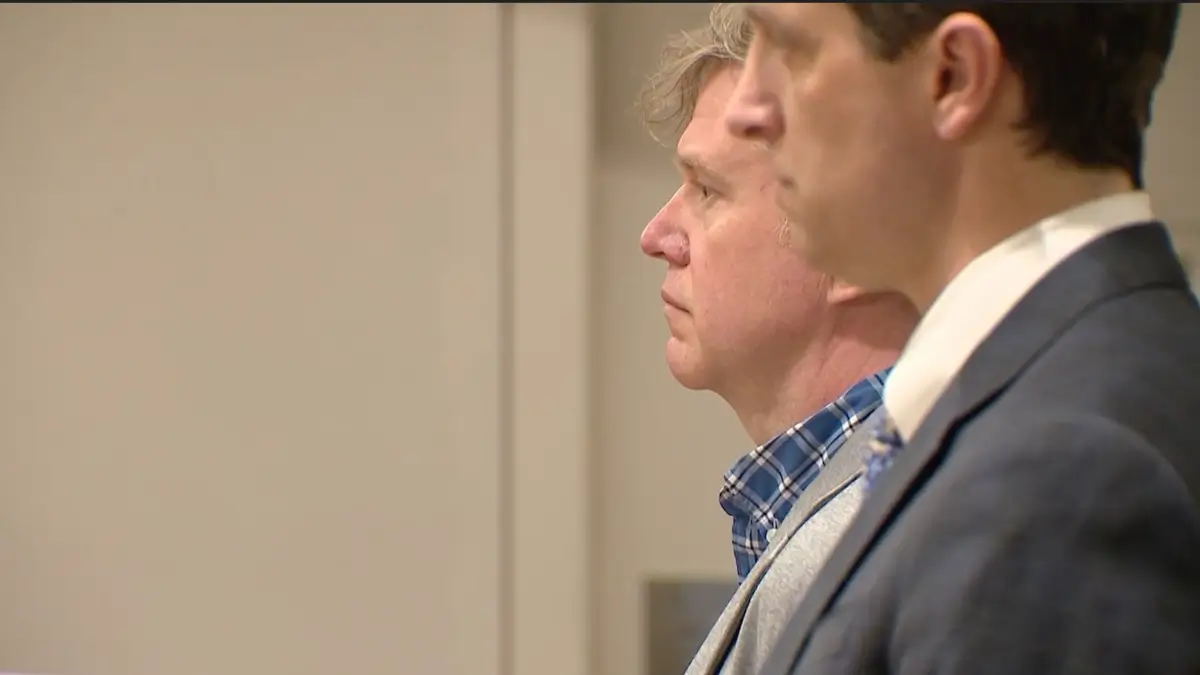
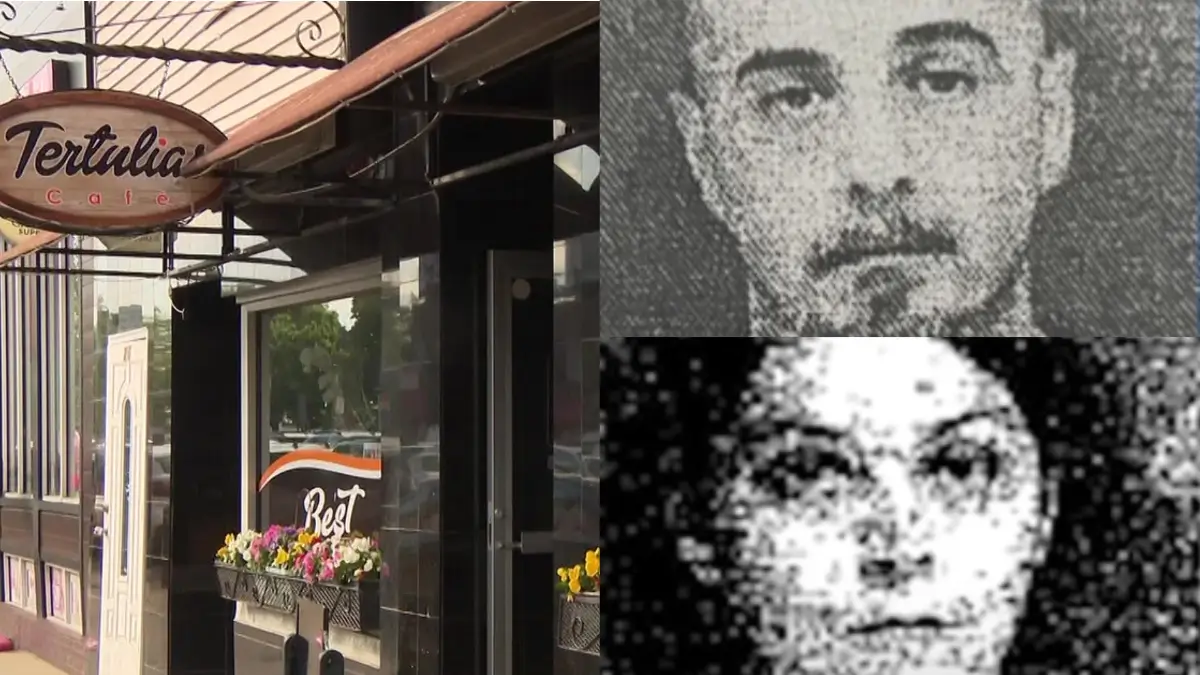
On a crowded restaurant patio in East Boston, a scene unfolded that not only shocked diners but also exposed a troubling undercurrent of racial tension that continues to plague communities across the nation. It was a relaxed evening, laughter and chatter filling the air as friends and families enjoyed the late spring weather. Yet, this tranquility was shattered when a couple,reportedly agitated by the noise,decided to confront the group dining nearby. What transpired next was a shocking display of hostility that would lead to multiple criminal charges, including civil rights violations.
The husband and wife, identified in reports, allegedly hurled racial slurs, launched a fence toward the diners, and doused them with water from a hose. In response to their actions, both individuals now face a total of 37 charges between them, including assault and battery and threats to commit a crime. Each has pleaded not guilty, insisting their actions do not warrant such severe accusations. This incident, which occurred on May 27, 2026, raises critical questions about racial dynamics and community safety in an increasingly diverse America.
The unsettling nature of this incident cannot be ignored. It reflects a wider pattern of racial aggression that has seeped into everyday interactions, often ignited by trivial incidents. In this case, the couple’s extreme response is indicative of a societal attitude that trivializes the impact of racism and its consequences. The fact that they chose to respond to noise complaints with slurs and violence speaks volumes about their mindset. It is a jarring reminder that behind the façade of civility lies a deeper, festering issue that demands attention.
Moreover, the charges against the couple are significant. Civil rights violations carry weighty implications, not just in terms of potential legal penalties but also in their broader societal impact. These charges exemplify the need for accountability in situations where racial animus rears its head. When such actions go unchecked, they send a message that bigotry can flourish without consequence. This incident is a wake-up call for communities to confront the uncomfortable realities of racism and to foster environments where respect and equality thrive.
In light of this incident, it is essential to reflect on the systemic failures that allow such confrontations to escalate. The couple’s actions are not isolated. They are part of a larger narrative wherein racial tensions flare in public spaces, often resulting in violence or intimidation. Historically, Black individuals and communities have borne the brunt of such aggression, a phenomenon that can be traced back to deeply rooted societal inequities. This incident highlights how, even in progressive cities like Boston, the echoes of racism still resonate, often leading to physical and emotional harm.
From a broader perspective, the incident also raises questions about the policing and judicial response to racially motivated crimes. While the couple has been arrested and charged, one must consider the enforcement of laws surrounding hate crimes and civil rights violations. Too often, these laws are either inadequately enforced or ignored altogether, allowing perpetrators to act with impunity. If justice is to be served, systems must be in place to ensure that accountability is not a mere afterthought in the wake of such acts.
In examining the cultural context that surrounds this incident, it becomes evident that we are at a critical juncture. The social dynamics at play are complex, influenced by factors such as economic disparity, historical disenfranchisement, and entrenched stereotypes. East Boston, for instance, has seen demographic shifts in recent years, with an increase in diversity that some long-time residents may resist. This resistance often manifests in aggressive behaviors, as seen in this incident, which may be fueled by fear or misunderstanding of cultural differences.
The response from the community following the incident has also been telling. Many local residents have expressed outrage, not just at the couple’s behavior but at how such actions can tarnish the reputation of an otherwise vibrant neighborhood. Community leaders and activists have called for dialogue and educational initiatives that promote understanding and respect among different racial and ethnic groups. Only through open conversation and a commitment to inclusivity can communities begin to heal from the wounds inflicted by racism and discrimination.
As this case proceeds through the judicial system, it will be crucial to monitor how it unfolds. Will the charges lead to significant penalties that reflect the severity of the actions? Will this incident serve as a catalyst for broader discussions about race relations in Boston and beyond? Or will it become just another example of a community failing to adequately address its issues? Only time will tell.
Amidst these reflections, it is vital for individuals to challenge their own perceptions and behaviors. The incident serves as a stark reminder that racial hostility can erupt in the most unexpected places. It urges everyone to critically assess not only their personal beliefs but also the societal structures that allow such incidents to occur. In the face of rising racial tension, collective action is required to foster change. It is incumbent upon all of us to create spaces where respect is non-negotiable and where racial slurs, violence, and intimidation have no place.