Caitlin Clark's Dominance Highlights a New Era for the WNBA and Black Athletes Everywhere
By Malik Carter, PowerVault Staff The arena buzzes with excitement as the clock winds down. The crowd is on its feet, a cacophony of cheers and screams reverberating off the walls. Caitlin Clark, the Iowa superstar, h...
Advertisement

By Malik Carter, PowerVault Staff
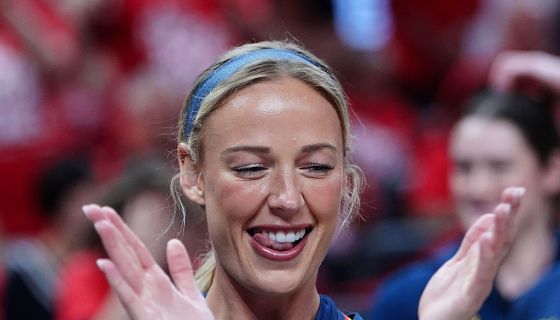
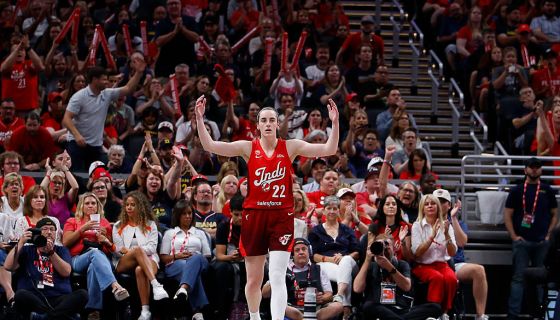
The arena buzzes with excitement as the clock winds down. The crowd is on its feet, a cacophony of cheers and screams reverberating off the walls. Caitlin Clark, the Iowa superstar, has the ball in her hands, and it feels like the weight of an entire generation is resting on her shoulders. She drives past a defender, spins, and sinks a three-pointer from way beyond the arc. The crowd erupts. It’s not just a shot; it’s a statement. This is a moment that will echo through the annals of WNBA history. For a league often overshadowed by its male counterpart, Clark's performance adds a spark that could ignite a larger conversation about the future of women's basketball.
In a week that also saw the Valkyries extend their winning streak to nine games and Jordin Canada coming through in clutch moments, Clark's historic feats resonated beyond the court. The WNBA season is heating up as All-Star Weekend approaches, but it’s Clark who is turning heads and sparking debate. Her style of play, a dazzling blend of skill and swagger, has drawn comparisons to some of the best in the game, but she also represents something much deeper: a new generation of female athletes who are not just playing the game; they are redefining it.
Clark’s unprecedented scoring feats have thrust her into the national conversation, but make no mistake, her impact extends beyond her individual accolades. It’s an opportunity for young Black girls to see themselves in a sport that hasn’t always embraced them as equal participants. The WNBA has a unique challenge in this regard. Despite being a league that boasts a significant number of Black athletes, systemic issues still exist, stifling the full potential of its stars.
When we talk about the WNBA, we must also acknowledge the glaring disparities within the sport. While Clark’s rise is commendable, the league continues to grapple with its own identity crisis, particularly regarding its coaching staff. Black women coaches are still a rarity, a problem highlighted recently in discussions surrounding the WNBA's leadership dynamics. For too long, the narrative has revolved around limited opportunities for Black women, both on the court and in the front office. The WNBA must do more than just celebrate its Black stars; it must invest in their futures through hiring practices that reflect the diversity of its players.
The Valkyries' impressive nine-game run is a testament to the depth and talent within the league, but even this success does not shield them from broader issues of representation and recognition. The Valkyries, a squad that embodies teamwork and resilience, show that it's not just about individual brilliance,it's a collective effort to uplift one another. In many ways, the Valkyries are a microcosm of the Black community, where collaboration is essential for overcoming systemic hurdles.
Caitlin Clark may be a rising star, but the stories of Jordin Canada and other players are equally significant. Canada’s clutch performances remind fans that stars come in many forms, and they often rise in times of adversity. Players like Canada are the backbone of a league that thrives on grit, determination, and community. When they succeed, it’s a win not just for their teams, but for all young Black athletes watching and hoping for their moment to shine. It’s about creating legacies that inspire the next generation to break through barriers and redefine what success looks like.
The WNBA’s narrative needs to shift from merely showcasing individual talents to building an ecosystem that fosters collective growth. As mainstream media continues to elevate specific athletes, often sidelining others who shine just as bright, it’s vital for Black-owned media outlets to fill in the gaps. The stories that inspire, challenge, and highlight the struggles of Black athletes are often relegated to the sidelines. It’s up to platforms like PowerVault Network to amplify those voices and ask the hard questions: Why do systemic inequities persist in a league filled with talent? What does true representation look like beyond the players? How can we ensure that the next Caitlin Clark is not just a rarity but a norm?
In examining these dynamics, it becomes clear that the WNBA stands at a crossroads. The league has the potential to become a beacon of hope for female athletes everywhere, especially for young Black girls who dream of making their mark on the world. The road ahead will require bold action and an unwavering commitment to inclusivity, not just in player representation but in coaching, management, and media coverage.
Advertisement
As All-Star Weekend approaches, anticipation grows. Fans will celebrate their favorites, but it’s also a time to reflect on the work that still lies ahead. The success of players like Caitlin Clark should spark a deeper conversation about the future of the WNBA and what it means for Black athletes in a predominantly white sports landscape. It’s not just about the game; it’s about legacy, respect, and the fight for equity. In this moment, let’s challenge ourselves to look beyond the box scores and embrace the rich narratives that define the very essence of this league.
As the WNBA continues to evolve, it remains an open question: Will the league seize the moment to build a platform for all its stars, or will it fall back into the shadows of complacency? As fans and supporters of the game, it’s our responsibility to demand more. More representation. More acknowledgment. More stories that resonate beyond the hardwood. The future of the WNBA,and the future of Black athletes,depends on it.