Chris Brown Fan Shares Her Onstage Concert Experience
By DeShawn Price, PowerVault Staff Chris Brown fan Amiyah Carter says his team unexpectedly selected her for an onstage concert appearance, turning her floor seat into a spotlight. “Plus-sized baddies, we’re up a thou...
Advertisement

By DeShawn Price, PowerVault Staff
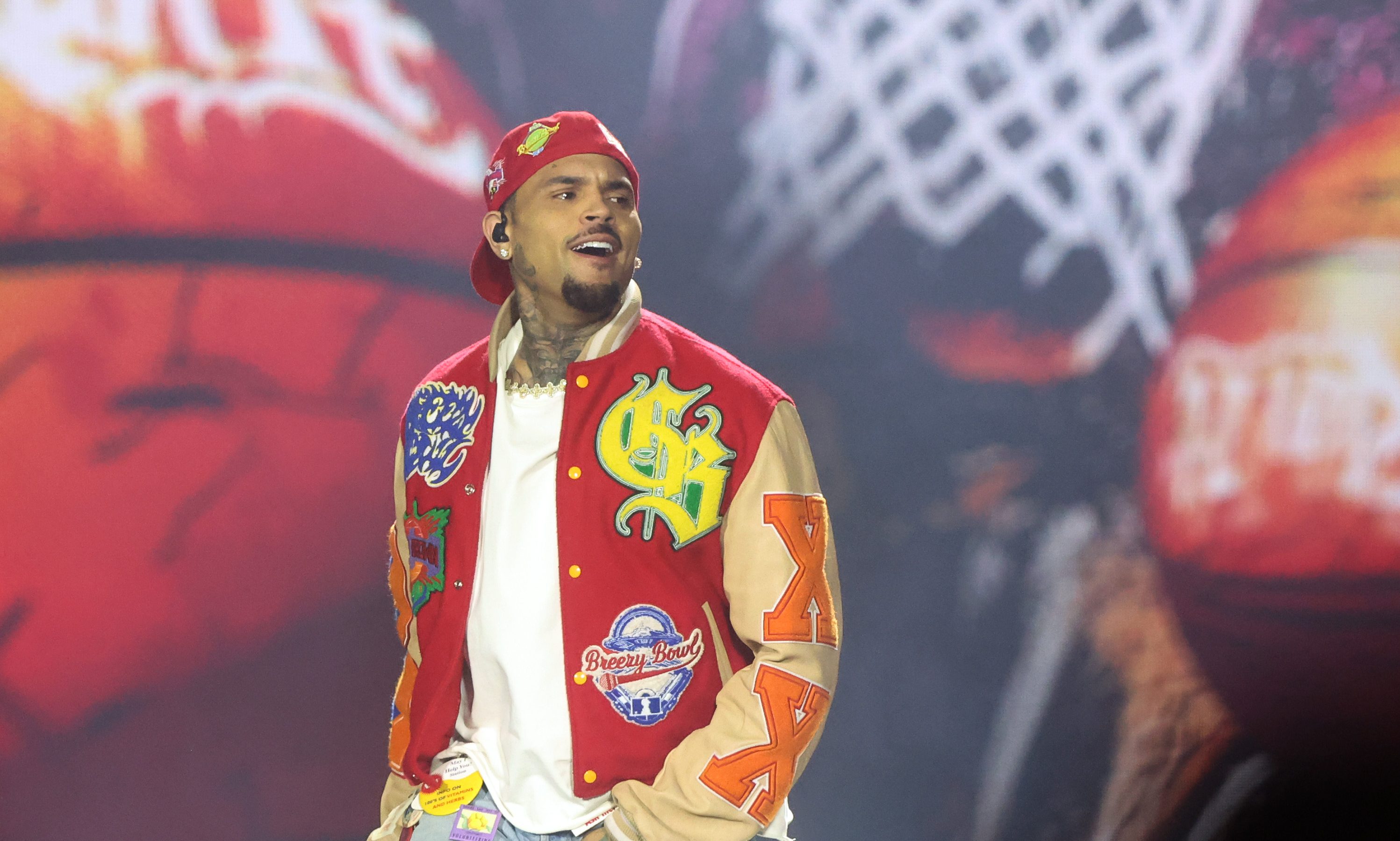
Chris Brown fan Amiyah Carter says his team unexpectedly selected her for an onstage concert appearance, turning her floor seat into a spotlight. “Plus-sized baddies, we’re up a thousand,” she declared in her video recounting the experience. That opening gives the story its real energy. Carter described an exciting encounter, but she also claimed the moment for women who rarely see themselves centered in celebrity fantasy. She was not asking anybody whether she belonged in that moment. She was telling her people she enjoyed it. The news is her account of being chosen, welcomed backstage and reassured before stepping out. The conversation worth having is why that welcome still feels exceptional.
PowerVault Network’s account of the fan’s concert experience identifies the woman as someone who appears to use the name Amiyah Carter online. According to that account, she said the invitation came during night five of the R&B tour. The supplied material does not identify a venue, concert date or full tour name. Those blanks matter because a circulating concert story can quickly collect details nobody actually confirmed. A confident caption is not a second source, and reposting the same account does not turn it into independent confirmation. Her testimony supplies the substance here. It should be treated as her description of an encounter, not a backstage report independently established by multiple witnesses.
Carter said she was enjoying the performance from her floor seat when someone from Brown’s team tapped her shoulder. The person asked whether she wanted to participate in the show. Her first response, by her account, included wondering whether the offer was real. Fair enough. A concert ticket normally buys a view, not an unexpected role in the production. That shoulder tap changed the terms of her evening: she was being invited to join something she had arrived ready to watch. She also said the selection seemed random to her. That describes what she understood from her seat. It does not establish how the crew made its decision, whether anyone had spotted her earlier or what instructions staff received.
The backstage details are where her account shifts from surprise to comfort. Carter said she met Brown before going onstage and that he greeted her with a big hug and a kiss. She also said he encouraged her not to feel nervous. Those are details she reported, not proof of a relationship or anything beyond that meeting. Affection during a concert encounter is not a relationship announcement, however tempting that caption might be for an engagement hungry account. Her description credits the people around her, too: she said everyone helped her feel comfortable. That part deserves attention without embellishment. For an audience member suddenly entering a professional show, a calm explanation and a welcoming crew can shape the entire experience.
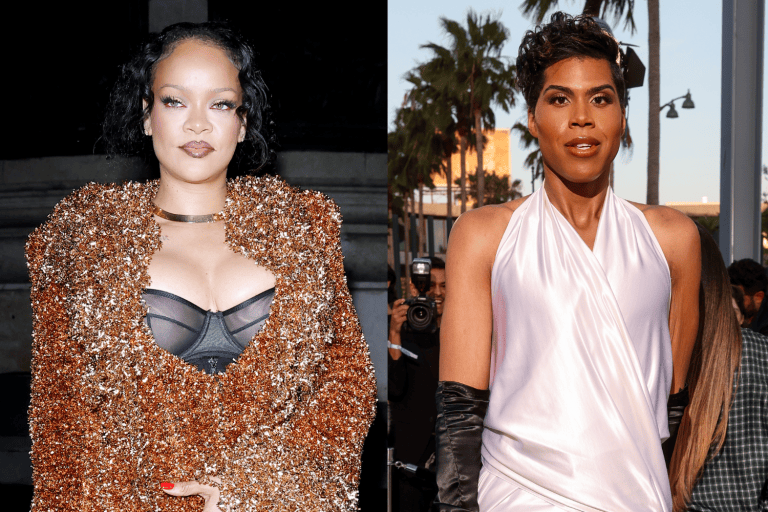
The supplied account also describes a brief circulating clip that appears to show Brown pointing her out from the stage. Without the full sequence, that fragment cannot settle how the invitation happened. Nor does it justify adding choreography, dialogue or audience reactions absent from the available material. Celebrity coverage gets messy when a few seconds become permission to invent the surrounding ten minutes. Even a visible gesture cannot tell viewers what happened before the camera started or what anyone privately intended. PVN’s coverage of Rihanna addressing rumored tension with EJ Johnson touches a related editorial concern: the distance between a public fragment and the bigger story people attach to it. Here, Carter’s own words remain the strongest available evidence.
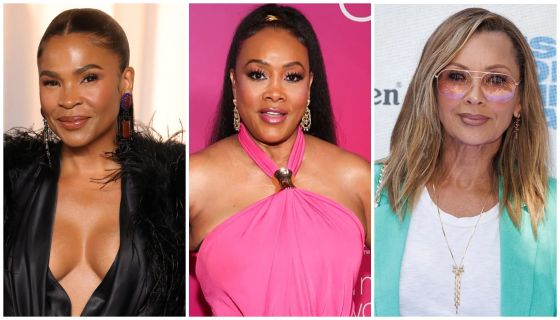
Black entertainment has wrestled with who gets to be desirable without becoming the joke. Queen Latifah played Khadijah James when Living Single premiered in 1993. Mo’Nique brought Nikki Parker to The Parkers in 1999. Those characters differed, and their shows were not free of body jokes. Still, their visibility gave viewers images of fuller figured Black women pursuing romance, dressing up and commanding attention. For viewers accustomed to seeing size treated as a punchline, those images mattered. But visibility alone cannot do all the work if audiences still treat a woman's desirability as something requiring an explanation. That history helps explain the force behind Carter’s opening declaration. The question also connects to PVN’s look at who received flowers from the Soul Food cast: being present in Black entertainment and receiving full recognition are not always the same thing.
The uncomfortable part is how quickly a woman’s happy memory can become a public eligibility hearing.
A woman enjoying herself does not owe the comment section a defense of her body.
Carter deserves room to describe a good night without being drafted into a referendum on attractiveness. Her opening line sounds celebratory because she chose celebration. Coverage should respect that choice rather than turn her into an inspirational project. Nobody needs to frame Brown’s attention as charity, and nobody needs to call her brave for accepting an invitation. Those compliments carry an insult tucked inside them. The supposedly supportive surprise that someone like her could be chosen still makes her body the problem. A woman enjoying herself does not owe the comment section a defense of her body. The most respectful reading lets her remain a person with excitement, nerves and a story to tell. She does not have to become a lesson before she can enjoy the memory.
The industry argument is different: an encounter can feel spontaneous to a fan while still happening inside a tightly managed production. That is not evidence that Carter’s experience was staged. It is a reason to separate her surprise from assumptions about the crew’s process. Artists and teams control access to a workplace with lighting cues, security demands and a running order. They should also make participation understandable and voluntary. A fan can be thrilled by an invitation and still deserve clear information about what accepting that invitation will involve. Carter’s description of reassurance offers one positive account of that handoff. No contract, release form or selection policy appears in the supplied material. There is no basis to claim what she signed, what staff promised or how future participants will be chosen.
The audience has responsibilities here, too. Celebrating a plus size fan should not require insulting thinner women, ranking previous participants or treating one body type as the winner of a competition. Carter’s “we” can create belonging without creating another exclusion list. Black group chats know how quickly a compliment becomes a comparison, especially when celebrity attention enters the room. Readers can refuse that assignment. Her excitement does not need a loser, and celebrating her does not require deciding that another woman deserved the spotlight less. Share her words accurately. Leave invented rivalries alone. Resist the urge to investigate her whole personal life because she appeared in a concert clip. Public visibility does not erase the difference between discussing someone’s chosen story and searching for material to embarrass them.
Money complicates the picture because access often begins before anybody gets picked. Carter said she had floor seats, but the available account gives no ticket price or purchase details. There is no basis to label her spending extravagant or assume what she could afford. Still, concert seating creates different levels of proximity, and proximity can affect who gets noticed. That is a structural observation, not evidence that Carter paid for participation or that fans elsewhere in the venue were excluded. Black audiences also bring a history of watching beauty standards reward narrow versions of femininity. Race, size and perceived class can influence whose confidence gets celebrated and whose gets questioned. A fan should not need a premium view, celebrity approval or a particular silhouette to receive basic respect from fellow fans.
Advertisement
What comes next should depend on evidence, not the appetite for a bigger plot. A fuller video or a direct explanation from the production could clarify the selection process. Neither is necessary for Carter to keep enjoying what she described. The useful challenge is for entertainment coverage to recognize joy without manufacturing a romance, a controversy or an inclusion campaign around it. Give Brown and his team credit for the welcome she reported, without turning one encounter into a sweeping character verdict. Let her speak for herself if she shares more. A good night should not come with an obligation to survive everybody else’s commentary.
More from PowerVault Network: