Cornell Fraternity Under Fire: Allegations and Public Outcry Resurface
By Simone Walker, PowerVault Staff The campus of Cornell University is known for its Ivy League prestige and academic rigor. Yet, beneath its scholarly veneer, a storm brews that threatens to overshadow its reputation...

By Simone Walker, PowerVault Staff
The campus of Cornell University is known for its Ivy League prestige and academic rigor. Yet, beneath its scholarly veneer, a storm brews that threatens to overshadow its reputation. Imagine the hushed whispers of students as news spread that a dark chapter from the past is resurfacing, a chapter that involves the Chi Pi fraternity and allegations of a heinous act.
In October 2024, allegations emerged that members of the Chi Pi fraternity at Cornell University had drugged and gang-raped a female student. The case, like many of its kind, garnered attention briefly before being swallowed by the passage of time. However, recent revelations have brought the incident back into the public eye, igniting discussions about justice and accountability within elite institutions.
Details that might have once seemed relegated to obscurity are now subject to renewed scrutiny, thanks to recently uncovered text messages between fraternity members. The messages, which reportedly surfaced as part of an ongoing investigation, have cast a new light on the case. The implications are stark: what was initially dismissed by some as an isolated incident now appears part of a wider cultural issue.
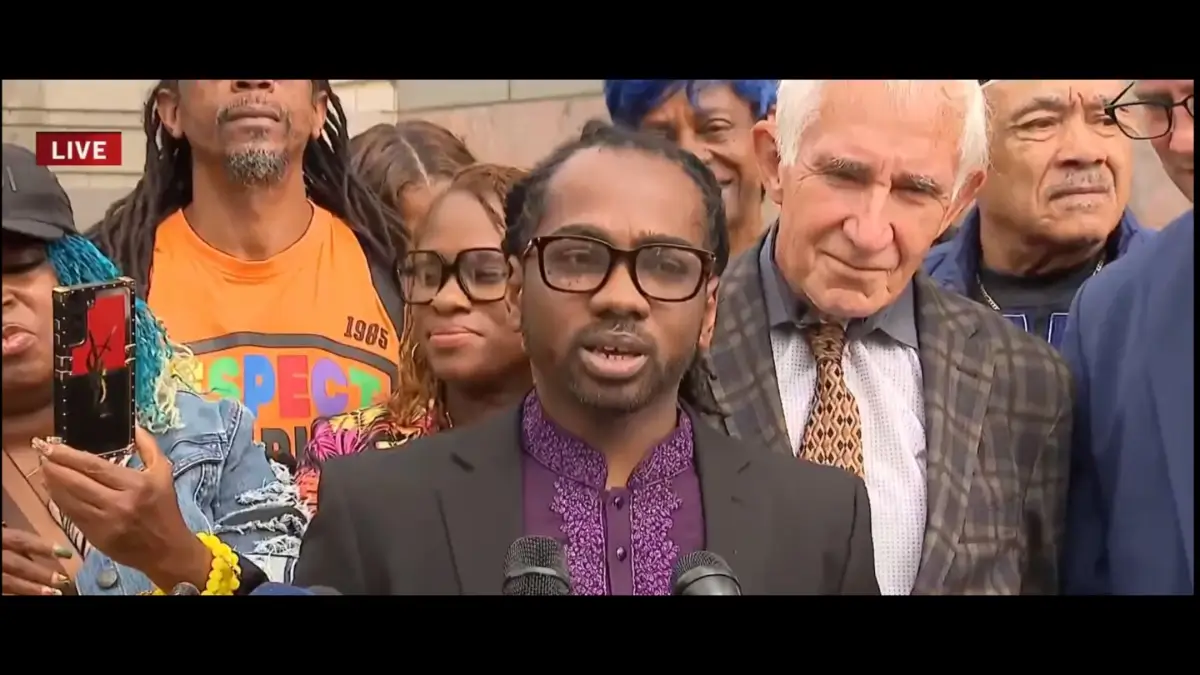
The timing of this revelation is crucial. As the texts come to light, they raise questions about the adequacy of the initial investigation and whether justice was truly served. The emergence of these messages coincides with Mayor Svante Myrick's decision to shut down event permits in response to the growing outcry, suggesting an administrative acknowledgment of the problem's gravity.
In the post below, a Twitter user shows their support for the victim, highlighting community solidarity.
The systemic implications are hard to ignore. Historically, fraternities have come under fire for fostering environments that some claim are permissive of predatory behavior. The Chi Pi case is not an anomaly but an echo of similar allegations across campuses nationwide. The cultural dynamics at play here are complex, this isn't just about one fraternity or one university, but about a pervasive issue within higher education that demands introspection and reform.
Consider the chillingly familiar pattern: allegations arise, public outrage builds, but accountability remains elusive. This case should serve as a rallying cry for those who demand that institutions do more than pay lip service to combating sexual violence. The culture within fraternities and the broader university systems often protects the privileged at the expense of the vulnerable.
Reflecting on past incidents, one can't help but think of similar cases, like the Stanford assault case in 2015, which sparked a national debate about campus safety and accountability. Both then and now, we see the same troubling narrative: institutions that are slow to act, and justice that seems to falter at the gate.
On YouTube, a video discusses the broader implications of this case and how it fits into the ongoing struggle for justice.
What does this mean for our community? For starters, it demands vigilance. Students, parents, and educators must acknowledge that addressing campus sexual violence requires systemic change. It's about more than just correcting past wrongs; it's about preventing future ones. Institutions must prioritize transparency and take decisive actions to dismantle cultures of complicity.
For the audience and community reading this, the takeaway is clear. It's time to hold not just individuals accountable, but the systems that enable them. This isn't merely a call for justice in Ithaca, New York; it's a plea for change on campuses across America. The power dynamics and societal structures that have allowed such incidents to persist must be addressed.
The video below gets into the response from Cornell University and how the administration is handling the backlash.
Moving forward, the role of media and public discourse becomes crucial. Ensuring that stories like these remain in the public consciousness is vital for fostering accountability. The question is: will this renewed attention lead to tangible change, or will it be another instance of fleeting outrage?
The reverberations of this case could define future policy and cultural shifts within educational institutions. As we watch closely, the hope is that this will be a step toward greater transparency and justice, something long overdue in the corridors of academia.
The key to change lies in sustained public engagement, community activism, and relentless pursuit of justice. As this story unfolds, it's imperative to keep pressure on all parties involved to ensure that justice is not just a promise but a reality. Let this case be a catalyst for change, not just at Cornell, but everywhere.