Deion Sanders and the NCAA Money Machine: What's Really at Stake?
By Renee Fontaine, PowerVault Staff Under the stadium lights, with thousands of voices echoing in the stands, college athletes take the field. But behind the cheers and the game-day hype lies an intricate web of polit...

By Renee Fontaine, PowerVault Staff
Under the stadium lights, with thousands of voices echoing in the stands, college athletes take the field. But behind the cheers and the game-day hype lies an intricate web of politics, money, and power plays that is as American as the sports themselves. At the heart of this contentious arena is not just the athlete's performance but a deeper issue, the longstanding, systemic exploitation of Black athletes by institutions profiting from their talents. As the Protect College Sports Act is thrust into the limelight, the conversation shifts to Deion Sanders, a figure who embodies both the controversy and the promise of what college sports could be.
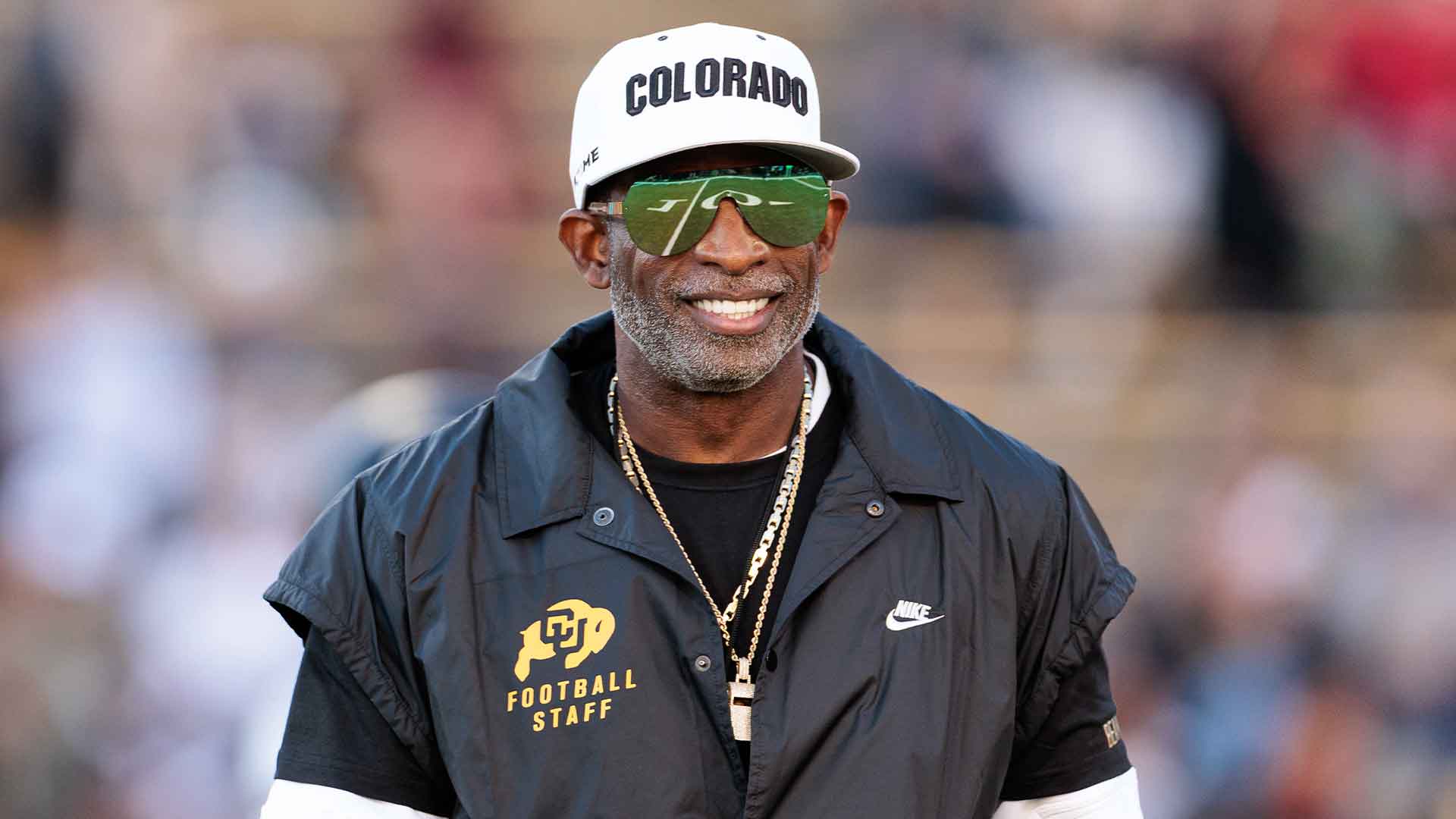
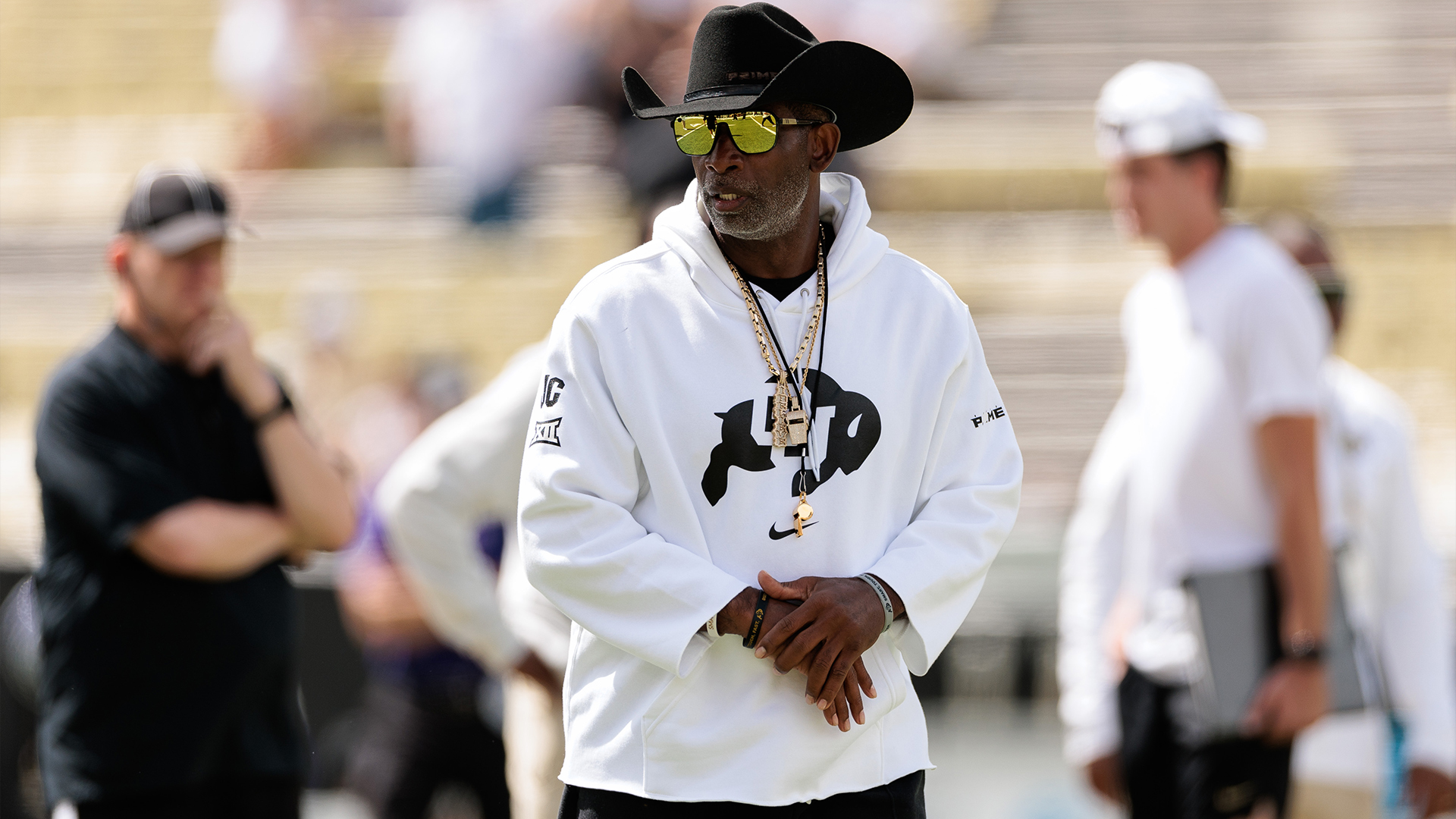
Deion Sanders, Coach Prime if you will, is no stranger to the spotlight or the scrutiny that accompanies it. A vibrant figure in both NFL and college sports, Sanders is more than a coach; he is a movement. Yet, the narrative around him often overshadows the glaring injustices within the NCAA system. As discussions about the Protect College Sports Act heat up, Sanders finds himself, perhaps unfairly, positioned as a lightning rod. The Act, which is meant to address the rights of student-athletes, seems to have missed the forest for the trees, focusing instead on individuals rather than the exploitative machinery itself.
At its core, this isn’t just a conversation about Sanders or any single personality. It’s about the billions of dollars flowing through college sports and who ultimately benefits from them. For decades, the NCAA and its affiliated institutions have capitalized on the labor of student-athletes, many of whom are Black, while offering little more than scholarships in return. The question isn't just who benefits financially, but who holds the power to shape the lives of these athletes?
The Protect College Sports Act, as proposed, aims to regulate how athletes can profit from their names, images, and likenesses. However, some argue, including experts cited in various media outlets, that the Act doesn’t go far enough in dismantling the systemic racism and economic inequality that has characterized college athletics. Instead of spotlighting structural change, there’s an almost theatrical focus on charismatic figures like Sanders, distracting from the real issues at hand.
At a time when conference realignments can shift millions and broadcast deals are worth billions, the athletes, especially Black athletes, continue to be pawns in a much larger game. Universities and their athletic departments reap monumental financial gains, and yet, the athletes who fill the stadiums and draw the TV ratings largely remain on the financial sidelines.
Sanders, as both a former professional athlete and a current college coach, occupies a unique position in this debate. His leadership at Jackson State University and now at the University of Colorado has not only brought unprecedented attention to HBCUs but also highlighted the disparities in resources and opportunities between these historically Black institutions and their predominantly white counterparts. Sanders' coaching is more than just a game; it's a statement.
It's tempting to view Sanders as a disruptor, a man who challenges the status quo and demands better for his athletes. Yet, by centering Sanders in this narrative, there’s a risk of overshadowing the broader systemic issues, much like the Protect College Sports Act might be critiqued for its narrow focus. The NCAA, universities, and conferences must be held accountable for creating an equitable system where all athletes, regardless of race, can thrive both on and off the field.
In many ways, the current discourse around college sports reflects a wider societal struggle for equality and justice. Black athletes, often the stars of their teams and the faces of their schools, continue to confront a system that profits from their success while offering limited pathways for their post-collegiate lives. This isn’t just a sports issue; it’s a racial and economic justice issue.
Deion Sanders isn't just changing the game, he's showing what's possible when someone with his voice and experience speaks up. But the true challenge lies in redirecting the national conversation, away from individual personalities and towards building a fairer, more just system for all athletes.
The video below captures a turning point in this ongoing conversation.
For Black athletes, excelling in college sports is often a double-edged sword. On one hand, they achieve personal and professional dreams; on the other, they handle a system that has yet to fully recognize their worth beyond the playing field. The Protect College Sports Act is a step, however small, towards acknowledging that worth, but it must be followed by substantive reform.
The current scene in college sports is not just about competition; it's about confronting inequalities that have persisted for too long.
Looking back, athletes like Sanders have always been at the forefront of change. Whether it's advocating for better conditions or leading by example, the impact of such figures can't be underestimated. However, the fight for equity in college sports isn't theirs alone to bear. It's a collective responsibility that involves lawmakers, educational institutions, and fans alike.
As we look to the future, the question remains: how do we ensure that college sports serve the athletes as much as they serve the institution's bottom line? The Protect College Sports Act could be a catalyst for change, but only if it's paired with genuine commitments from all stakeholders to level the playing field.
Ultimately, the spotlight on Deion Sanders should inspire further action, prompting us to examine the systems at play rather than just the stars within them. This is an opportunity to not just critique but to build, to not just challenge but to transform. The future of college sports and the futures of Black athletes depend on the conversations we push forward today.