
Dolly Babe Considered $700 Nail Class Before Rap Hit
By Simone Walker, PowerVault Staff Dolly Babe considered a $700 nail class before recording “Pink Blush” on her phone and landing her breakout hit. That detail deserves more than a cute caption about almost giving up....
Advertisement

By Simone Walker, PowerVault Staff
Dolly Babe considered a $700 nail class before recording “Pink Blush” on her phone and landing her breakout hit. That detail deserves more than a cute caption about almost giving up. The Dallas rapper was considering a practical way to make money after earlier music moments failed to stick. Then a bedroom recording moved faster than the songs she had spent years pursuing through studio sessions. The twist makes a great interview clip. The better story concerns how artists keep themselves afloat before listeners finally decide to pay attention. Talent does not cover the bills while the audience catches up, and having a practical alternative should never cancel out an artist’s ambition.
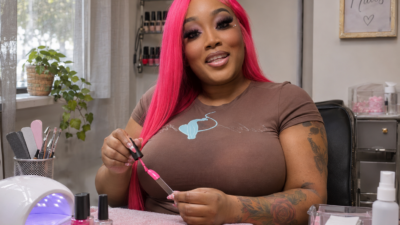
Dolly discussed the decision during a V-103 interview with DJ Sturgess, published Tuesday on the station’s YouTube channel. “So I was going to be a nail tech,” she told Sturgess. According to the V-103 interview, she had searched Google for legitimate ways to earn money and considered spending $700 on a class. She described weighing work outside music, not signing up for a course or completing professional training. That distinction matters. There is a difference between considering another income stream and officially leaving rap, even when a success story makes the cleaner version tempting. The dramatic headline practically writes itself, but her actual account leaves room for something more familiar: an artist looking for options.
Her recording process makes the breakthrough especially striking. Dolly said she made “Pink Blush” alone in her room using her phone. After years of studio sessions, she lacked the motivation to book another one. Instead, she released that recording without mixing or mastering, according to her account. Those finishing processes usually help balance a recording and prepare it for release. Skipping them was not a business formula she laid out for aspiring rappers. It was how this particular song reached listeners. The useful lesson is about removing one barrier to releasing work, not declaring professional audio skills unnecessary. Please do not turn one successful phone recording into permission to tell every engineer that their expertise suddenly has no value.
“That was the fastest a song has ever moved for me,” Dolly told Sturgess. Speed mattered because she had already experienced attention that did not last. Earlier viral moments had left her ready to stop making music, according to the interview. That history puts some weight behind the word “breakout.” A clip can travel without establishing a dependable audience. One song can get people watching without persuading them to return for the next release. Dolly’s account describes that frustrating gap between being briefly noticed and gaining traction that feels different. “Pink Blush” arrived after she already knew attention could disappear. Calling her an overnight discovery would erase the years of recording that came before this particular song finally connected with listeners.
The June 30 single later received a remix featuring Megan Thee Stallion. A November 9 HITS profile reported a No. 58 Hot 100 debut, 3.3 million monthly Spotify listeners and more than 17 million video views. Those are reported snapshots, not a live dashboard or an earnings statement. Megan’s involvement also deserves its own flowers: a major woman in rap joined a rising woman’s record. That collaboration gives us something worth celebrating without manufacturing a competition between the woman building momentum and the star joining her. Still, the original song’s connection should not disappear beneath the famous feature. Much like PVN’s coverage of Sexyy Red discussing her Drake friendship, the useful conversation looks beyond access to a bigger name.
Hip hop has seen inexpensive distribution challenge expensive gatekeeping before. Soulja Boy’s “Crank That” became a No. 1 hit in 2007 after spreading online alongside its dance. The comparison concerns access, not identical careers or recording methods. By 2020, Megan’s “Savage” remix with Beyoncé offered another example of an established Black woman helping expand a rising star’s moment. Neither precedent proves that every upload finds an audience or every major feature builds a lasting career. Together, they show two forces working across generations: listeners can create demand outside traditional channels, and established artists can help carry that demand further. Dolly’s phone recording and Megan remix touch both parts of that history. The audience is not simply waiting for an industry introduction. Sometimes listeners make the introduction themselves, and the bigger names enter a conversation that is already happening.
The dangerous takeaway would be that struggling artists simply need to want success more.
A backup plan is not a confession that the dream was foolish.
Dolly deserves credit for releasing a record when another studio booking felt beyond her motivation. She also deserves room to describe doubt without having it edited into a motivational poster. A backup plan is not a confession that the dream was foolish. Considering nail work did not make her less serious about music. It showed she was thinking about earning money beyond an uncertain pursuit. Fans should celebrate the hit without requiring her to call every difficult stretch necessary. Some hardship produces a useful decision. Other hardship just wears people down. Her success does not make quitting unthinkable for every talented person facing a similar choice. We can cheer for this outcome without telling another Black woman that protecting her stability means she did not believe in herself enough.
The industry takeaway should concern development, not another excuse to make artists carry every early cost. A phone recording can reveal demand; it cannot negotiate a contract, audit royalties or build a sustainable touring budget. Labels and distributors should bring more than enthusiasm after listeners have already done the discovery work. What resources arrive next? Who owns the recording? How does attention become income? Those are general business questions, not claims about Dolly’s agreements, which the supplied reporting does not establish. A convincing pitch should explain the services, costs and obligations behind the celebration, because a congratulatory meeting is not the same as meaningful investment. PVN’s coverage of IDK joining Shady and Interscope belongs to that broader discussion about what institutional backing offers an artist beyond a recognizable logo.
Listeners have responsibilities here, too. Black audiences know how quickly a woman rapper can go from everybody’s favorite discovery to somebody being told her moment has expired. Supporting Dolly should mean listening beyond the viral section, checking for the next release and allowing some creative range. It should not mean demanding another “Pink Blush” every time she opens a recording app. Discovery feels exciting because the audience gets to feel early. Actual support lasts after that feeling wears off. The group chat can celebrate Megan’s feature and still learn Dolly’s own catalog. There is room to have a favorite without treating every different sound as evidence that an artist has lost whatever first made her interesting. Turning a song into a favorite takes seconds; becoming a fan requires a little more curiosity.
The $700 figure also exposes a class tension that inspirational coverage can flatten. That amount is not pocket change for everyone, and the interview does not establish Dolly’s finances. More importantly, nail work should not become the embarrassing alternate ending in a rapper’s success story. Black women’s beauty labor requires skill, customer relationships and business judgment. A class is only one potential expense, and taking one does not automatically establish licensing or a profitable business. Treating that work as a punch line would miss the point completely. The women maintaining appointments, managing supplies and building repeat clientele deserve respect whether or not a celebrity once considered entering their field. Both paths involve labor. The difference is that entertainment sells uncertainty as glamour, then applauds people for surviving it.
Advertisement
What comes next deserves more attention than another round of almost quit headlines. Watch whether Dolly builds a catalog that listeners return to, and whether future interviews reveal how she is turning this attention into a durable business. Those answers cannot be pulled from a chart debut or a monthly listener count alone. For now, the flowers are earned: she released the song, found a larger audience and brought Megan into the moment. The challenge is to celebrate that win without turning her unusual route into mandatory advice. Her phone opened a door; the next chapter should give her more choices.
More from PowerVault Network:
