
Drake Calls Out Billboard: Why YouTube Streams Matter
By Renee Fontaine, PowerVault Staff Drake called the music industry “so cooked” after news that YouTube streams will return to Billboard’s charts in 2027. His Wednesday, Nov. 11, Instagram Story showed a screenshot ab...
Advertisement

By Renee Fontaine, PowerVault Staff
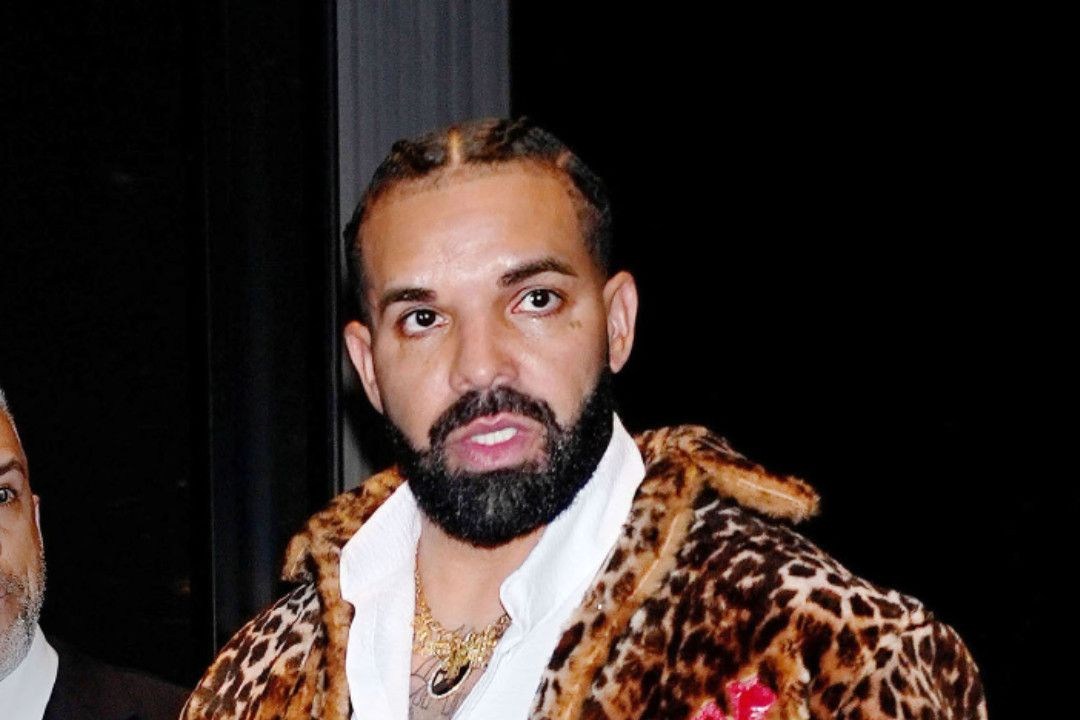
Drake called the music industry “so cooked” after news that YouTube streams will return to Billboard’s charts in 2027. His Wednesday, Nov. 11, Instagram Story showed a screenshot about the change, along with his reaction and a shocked emoji. “Wtf this game so cooked,” he wrote, without spelling out what part he considered broken. The complaint was brief. The business question underneath it deserves more room: how much should a listener count when that listener does not pay for a subscription? Billboard’s revised album formula gives free, ad-supported listening more weight than before. That changes the scoreboard, but it does not establish that anyone secretly fixed the game.
According to XXL’s reporting on Drake’s reaction, YouTube announced its return Monday, Nov. 9, after withdrawing its streaming data in January 2026. That distinction matters. Describing the entire dispute as Billboard simply banning YouTube skips the platform’s own decision to pull out. The disagreement centered on Billboard assigning greater weight to paid subscription streams than free listening supported by advertising. This was a fight over how consumption gets valued, not whether those free listeners existed. Both companies help shape what success looks like, but they have different business interests. Billboard sells the authority of its rankings. YouTube benefits when its audience receives recognition within them. Neither side needs to be treated like a neutral observer.
YouTube’s Global Head of Music, Lyor Cohen, presented the return as a better match for audience behavior. “We are returning to the Billboard charts starting in 2027,” he said in a blog post cited by XXL. Cohen added: “Billboard's new methodology better reflects how fans engage with music today across both subscription and ad-supported services.” That is YouTube’s position, not an independent finding that the new system captures every listener fairly. The statement announces a resolution without making the two listening tiers equal. Paid streams will still carry more chart weight than ad-supported streams. The gap gets smaller, rather than disappearing. Keep that unresolved gap in mind alongside the accompanying video below.
The actual formula makes that gap easier to understand than any reaction clip can. Starting with the Billboard 200 dated Jan. 16, 2027, one album consumption unit will equal 1,500 ad-supported streams or 1,000 paid subscription streams. Those totals cover eligible official audio and video plays from an album’s tracks. The first affected chart will use listening data gathered Jan. 1 through Jan. 7. Under the current formula, the ad-supported threshold is 2,500 streams, while the paid threshold is already 1,000. Billboard is lowering the free-listening requirement by 40 percent. For the same eligible ad-supported volume, that produces about 67 percent more album units. That is a meaningful boost without requiring a single additional play from fans.
An album consumption unit also remains equivalent to one album sale or 10 individual tracks sold from that album. These are accounting conversions, not claims that buying an album and playing songs feel identical. Consider 150,000 eligible ad-supported plays. Under the current formula, those plays generate 60 album units. Under the announced formula, they generate 100. The paid subscription calculation does not change. Those examples explain the Billboard 200 adjustment specifically; they should not be passed around as a complete explanation of every Billboard chart. YouTube’s return and the revised album weighting are connected developments, but they are not interchangeable terms. That distinction also belongs beside the next accompanying video.
The numbers provide firmer ground than a video’s presence alone, and Billboard has revised its measurement rules before. YouTube viewing entered the Hot 100 formula in 2013, when Baauer’s “Harlem Shake” became a defining example of viral video meeting chart power. The Billboard 200 added streaming and track sales to its album calculation in 2014. Official video streams joined that album chart in 2020. Each shift changed which kinds of fan activity could help deliver a major chart position. Hip hop lived through the mixtape era, download blogs, streaming exclusives and playlist campaigns across that same stretch. Fans kept finding records through new channels. The institutions responsible for measuring those fans kept adjusting their rules afterward. That history matters when somebody treats today's chart totals as directly comparable to every achievement that came before them. The measuring stick has moved.
The scoreboard can change without proving a conspiracy, but nobody should pretend the scoreboard is neutral.
A chart unit is not a royalty check, and confusing them only helps the people writing the contracts.
Drake has every right to question a system that helps define his public standing. A chart record can strengthen an artist’s leverage and supply ammunition for years of fan arguments. Those numbers become part of the sales pitch around a career, not just a screenshot for stan accounts. Still, his Story does not explain which part of this change he opposes. Is it YouTube returning, the revised weighting, or the instability of the rules themselves? Those are different complaints. PVN’s coverage of Drake reconsidering performances of “Take Care” touches another question about how an established artist presents his catalog. Here, the issue is measurement rather than performance. His frustration deserves coverage, but his status cannot substitute for a specific argument against the formula.
Labels now have a reason to reassess how they promote official videos and reach listeners outside paid services. That does not mean an artist suddenly earns more money for each view. A chart unit is not a royalty check, and confusing them only helps the people writing the contracts. Master recording revenue, publishing income and artist royalties follow separate agreements and accounting systems. Whether an artist has a distribution arrangement or a traditional recording deal also matters. An artist can gain chart visibility while still waiting for recoupable costs to clear before receiving recording royalties. The catalog stakes explored in PVN’s coverage of Damon Dash and the Roc archives belong to that ownership discussion. Keep the distinction between visibility and ownership in mind beside the Instagram post below.
An Instagram post cannot tell fans what an artist owns or what a streaming statement pays. Listeners should bring that skepticism to chart celebrations, too. A higher placement under a revised formula does not automatically mean more people discovered the music. Some of the increase may reflect the same listening being counted differently. Comparing releases across the rule change will require care, especially when fan accounts present album units as a timeless measure. A fair comparison should identify the tracking period and the rules behind the total before declaring somebody's audience bigger. Nobody needs to dismiss a favorite artist’s success to acknowledge that. Fans deserve enough information to separate audience growth from accounting changes. A leaderboard becomes less useful when its loudest defenders refuse to explain how the points work.
The class question sits right inside the formula: why should access to a paid subscription make one listener more valuable to a chart? There is a commercial answer. Paid services and advertising support music through different revenue models. But commercial value and cultural influence are not identical. A young listener watching official videos on a free account can help make a song matter without buying a subscription. That listener can know every verse, share the video and bring friends into an artist's audience. Black audiences are not one income bracket, and free listening should never become shorthand for lesser commitment. The revised weighting narrows that hierarchy while preserving it. Billboard should explain what its remaining premium measures, rather than leaving fans to confuse spending power with devotion.
Advertisement
January’s first tracking week will offer a concrete test of what these changes reward. Watch whether artists adjust video release plans, whether labels explain their chart claims clearly, and whether comparisons acknowledge the revised formula. Drake may offer a fuller objection before then. Until he does, his Story establishes frustration, not evidence of manipulation. YouTube’s return restores a major listening channel to the rankings, while the new weighting gives eligible free streams more influence. Readers should watch both the placements and the explanations behind them. The industry owes fans rules they can understand before asking them to celebrate who won.
More from PowerVault Network:
