
Future’s Ya Hit Video: What the Drake Linkup Signals
By Renee Fontaine, PowerVault Staff Future has released the “Ya Hit” video featuring Drake, Travis Scott and Loe Shimmy, putting a loaded guest list behind his next album chapter. Sexyy Red adds ad libs, giving the re...
Advertisement

By Renee Fontaine, PowerVault Staff
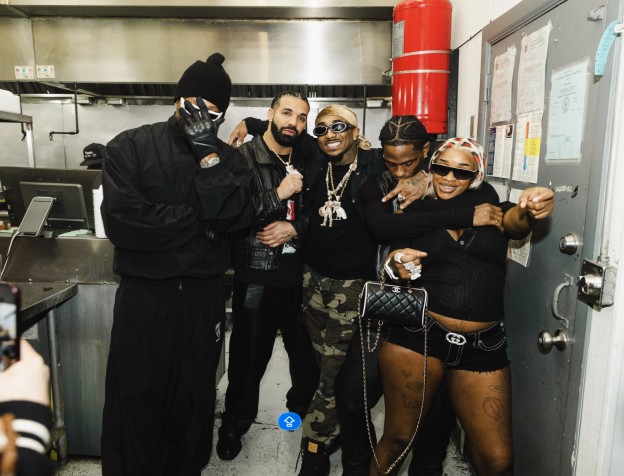
Future has released the “Ya Hit” video featuring Drake, Travis Scott and Loe Shimmy, putting a loaded guest list behind his next album chapter. Sexyy Red adds ad libs, giving the record another recognizable voice without a listed feature spot. That distinction matters, even on a release built to make fans count names. The immediate attraction is obvious: Future and Drake sharing a record again carries history beyond a routine collaboration. Still, a feature credit proves a musical connection, not everything listeners might want to believe about the relationship behind it. The music deserves attention before the reunion theories take over.
According to the source briefing supplied to PVN, Cotto and IWantJuan directed the visual, which follows the song’s surprise Friday release. The briefing describes it as a preview of Future’s upcoming album era, but supplies no album release date or track list. That sequence gives fans a record and a visual to discuss before a full project rollout starts setting expectations for the music. It also does not identify an originating news outlet, so that reporting should not acquire a made up publication credit. The accompanying YouTube video provides a direct reference point for readers. What remains unknown matters: the supplied information does not disclose production credits, ownership splits or the business terms connecting this particular group of artists.
The billing gives listeners different reasons to press play. Drake brings a long creative history with Future. Travis Scott brings an audience accustomed to releases that stretch across music, merchandise and live events. PVN’s coverage of Travis Scott’s GTA VI plans sits within that broader conversation about where artists meet their fans. Loe Shimmy gets placement beside three established headliners, a valuable opportunity without any guarantee of lasting conversion. The challenge is making his voice memorable when bigger names already command so much of the conversation before the first listen. Sexyy Red’s additional ad libs are a separate contribution, not grounds to invent a verse or an onscreen appearance. The accompanying video is the place to assess the release itself.
That video cannot establish what anyone said privately before the collaboration happened. The chart claims also need their proper frame. The supplied reporting says Future’s album The Real Me became his 12th No. 1 album. It separately credits the project with his 17th leader on Billboard’s Top R&B/Hip-Hop Albums chart. Those are different totals, not interchangeable measures of the same achievement. The briefing says the latter ties Drake and The Temptations for the most leaders since that chart launched in 1965. That company puts his run in a conversation stretching across generations of Black hitmakers. Without a linked chart report, those figures remain attributed to the supplied reporting rather than independently verified here. The distinction protects the achievement from sloppy inflation.
Future is also scheduled to headline Camp Flog Gnaw on Sunday, November 15, according to the briefing. That puts a live appearance near the center of this release discussion, rather than leaving everything to streaming counters. A festival stage can reveal which songs fans already know and which ones still need an introduction. Hearing a crowd carry a hook tells you something a comment section cannot settle. It does not automatically confirm a guest appearance, a surprise reunion or an album announcement. Nothing supplied establishes that Drake, Scott, Shimmy or Sexyy Red will join him there. Fans should separate the announced headliner from their own wish lists. A second accompanying YouTube video follows, though the briefing supplies no description of its contents.
Neither accompanying clip should substitute for the history behind the names. Future and Drake released What a Time to Be Alive in 2015, turning their chemistry into a defining commercial partnership. Future and Metro Boomin’s 2024 album We Don’t Trust You then carried Kendrick Lamar’s “Like That,” which directly challenged Drake and J. Cole. Drake later addressed Future on “Family Matters” during that spring’s escalating dispute. Those records made any later shared credit feel consequential. Fans heard that tension through songs, so naturally they will listen for answers in another song rather than wait for a formal statement. But rap has a habit of treating a studio decision like a sworn statement about friendship. “Ya Hit” supports a narrower conclusion: Future and Drake are collaborating here. Anything about apologies, alliances or private settlements requires evidence beyond their names on the same release.
The real test is whether the song earns attention after the guest list stops being news.
A famous guest list can buy attention, but it cannot buy an artist a reason to stay interesting.
Future’s challenge is creative ownership of the moment. A famous guest list can buy attention, but it cannot buy an artist a reason to stay interesting. He has spent years making a particular vocal approach feel elastic, moving between wounded melody, clipped boasts and hooks that stick through repetition. That range gives him room to establish a mood his guests can enter, instead of simply stacking recognizable voices over the same beat. The next album needs a point of view beyond proof that powerful people still answer his calls. Otherwise, the conversation becomes a scoreboard of who appeared instead of what he made. PVN’s read is simple: the strongest outcome would leave listeners discussing Future’s choices as much as Drake’s presence. A host should not become a supporting character at his own table.
The industry lesson concerns how attention becomes money, and who gets paid along the way. A surprise release can concentrate listening quickly, but a crowded billing does not reveal the contract underneath it. A distributor typically delivers music and collects revenue for an agreed fee or share. A record deal can involve broader financing, rights and recoupment obligations. An advance generally comes against future royalties, meaning a big payment upfront does not necessarily mean royalty checks arrive as soon as streams accumulate. Neither structure can be assigned to “Ya Hit” from its guest list. Songwriting shares also remain separate from ownership of the sound recording. PVN’s coverage of Damon Dash and the Roc archives points toward that larger ownership conversation. Celebrity proximity is visible. Control usually lives in paperwork.
Listeners have a different responsibility: give the less familiar name a fair hearing without pretending a major placement guarantees a breakthrough. Loe Shimmy benefits only if some borrowed attention becomes genuine interest in his own work. That means listeners returning for another song, learning his voice and showing up after the celebrity association fades. A listener seeking out his catalog tells a different story from somebody clicking once because Drake’s name appeared in the announcement. Fans can make that judgment without turning every collaboration into a loyalty test. The same goes for Sexyy Red’s contribution. Ad libs can help shape a record’s identity, but her role should be described accurately. Calling everybody a featured verse artist might juice a headline. It also teaches the audience that credits are decoration rather than information.
Black artists built much of the musical language that platforms now package into playlists, clips and advertising inventory. Yet visibility and bargaining power remain different things. An emerging artist can stand beside stars and still have limited control over budgets, marketing commitments or the recording itself. No available information establishes Shimmy’s terms here, and assuming exploitation would be as careless as assuming independence. The useful question is who keeps value after the promotional window closes. A feature can introduce an artist to millions without giving that artist authority over how the collaboration gets licensed or promoted later. Managers, lawyers, publishers, distributors and labels can all touch different parts of the business. Fans should celebrate access without mistaking it for ownership. Getting invited into the room matters; having leverage once inside matters more.
Advertisement
Next comes the part no announcement can settle: whether “Ya Hit” lasts beyond its first burst of curiosity. Watch for confirmed album details, complete credits and Future’s scheduled Camp Flog Gnaw appearance. Treat guest rumors as rumors until someone involved confirms them. Listen for whether this collaboration gives the coming project direction or simply creates a loud opening. Future has enough history to make the pairing matter before a single review lands. That history should earn him a serious listen, not an automatic verdict. The guest list opened the door. Now the record has to give people a reason to stay.
More from PowerVault Network:
