Fantasy Football Injuries and Waiver Wire Moves: What They Mean for Black Athletes
By DeShawn Price, PowerVault Staff The NFL sidelines weren't just busy, they were bustling. Trainers sprinted from one end to the other, clutching medical kits as if every second counted. The week was a battlefield, n...

By DeShawn Price, PowerVault Staff
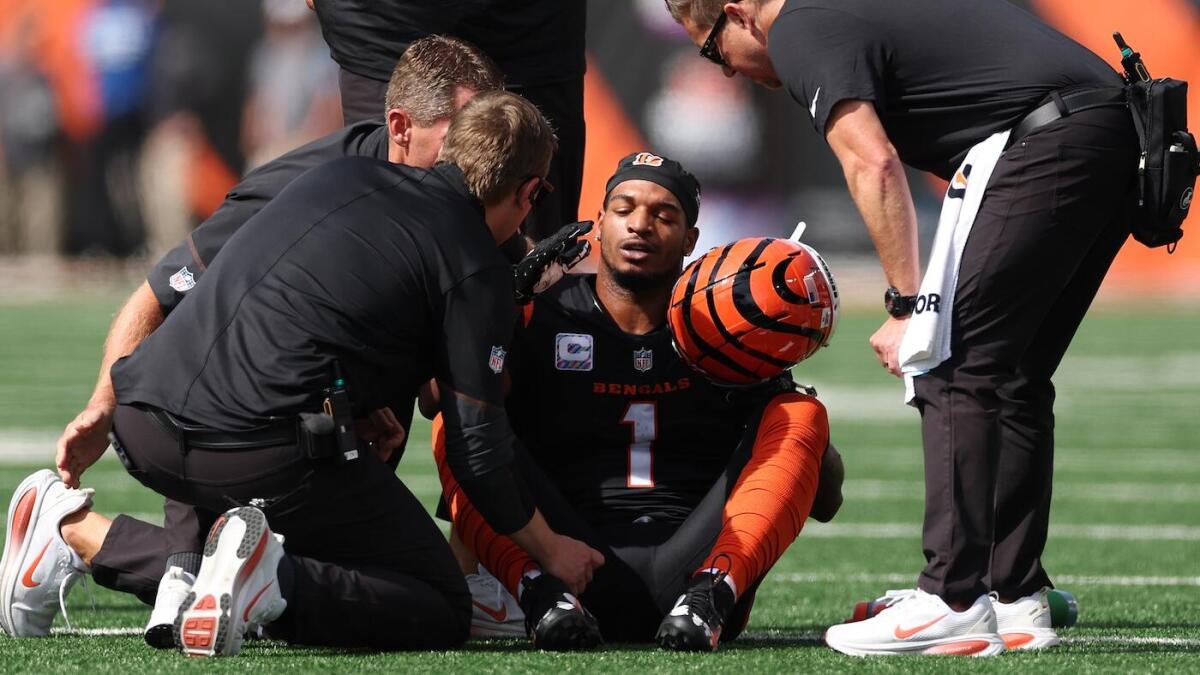
The NFL sidelines weren't just busy, they were bustling. Trainers sprinted from one end to the other, clutching medical kits as if every second counted. The week was a battlefield, not just on the field but off it, where fantasy football managers scrambled like chess masters in a furious blitz to rearrange their pieces. This wasn't just about the weekly game score, it was livelihoods, legacies, and community pride on the line, particularly for Black players thriving in an industry that often feels like a double-edged sword.
Week 4 of the NFL came with its usual fireworks but left in its wake a trail of injuries that could upend the fantasy rosters of even the most seasoned managers. With teams like the Carolina Panthers and Kansas City Chiefs on their Week 5 bye, the stage was set for a heated race on the waiver wire. Managers were quick to spot the opportunities, eyeing players once considered benchwarmers who might now step into the spotlight.
For many Black athletes, this moment of stepping up in the game is loaded with additional weight. The NFL and its fantasy counterpart are part of a broader sports machine that has, historically, been unforgiving to its Black players. The stakes? High. Both on and off the field, these athletes represent more than themselves, they're emblematic of a larger cultural narrative filled with stories of triumph and struggle.
: fantasy football isn't just a game. It's a billion-dollar industry fueled by stats, projections, and a community of die-hard fans. For Black athletes, exceptional performance here can be a gateway to securing lucrative contracts and endorsements, but it also comes with an intensified spotlight and pressure. The question that emerges is not just about who to pick up on the waiver wire but what these moves reveal about the league's racial dynamics and what it means for the culture.
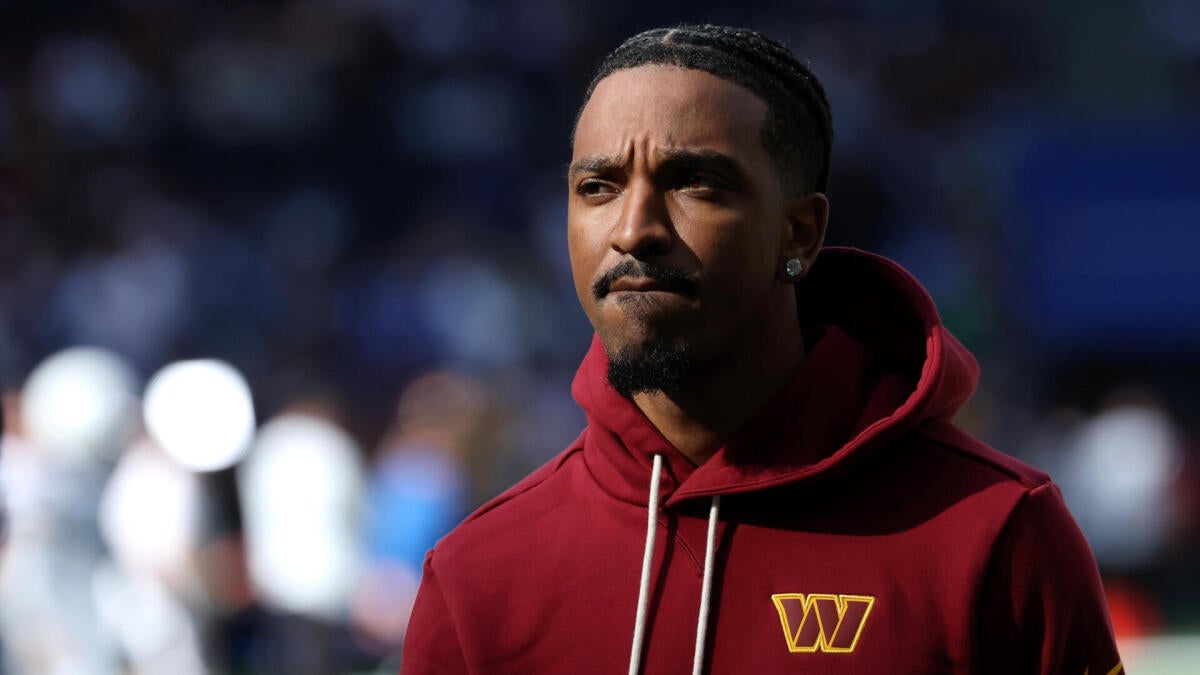
Consider, for instance, how players from teams like the Washington Commanders are stepping up. With some big names sidelined, lesser-known players are emerging, eager to seize their chance. Often, these are players who've faced uphill battles to carve out a place for themselves in the league. For them, an injury to a star player isn't just misfortune, it's opportunity knocking on their door.
The clip that set the timeline off is below.
But the system remains flawed. The NFL's structure can be brutal, using and discarding talent without hesitation. This machine has historically capitalized on Black bodies while offering little in terms of long-term security. The rise of fantasy football hasn't changed this fundamental dynamic; it's only magnified it. As fans and managers pore over stats and injury reports, it's crucial to remember that these 'assets' are individuals with dreams and pressures far beyond the gridiron.
How the league and its managers treat injuries, both in terms of human value and fantasy strategy, reflects broader societal issues on how Black labor is valued. This isn't limited to football. Across industries, from entertainment to tech, Black talent is often exploited without adequate protection or recognition. In a recent piece on PVN, we explored similar themes in how the music industry handles its icons. Diddy's recent trials echo these sentiments, showing how the system often isolates those it once celebrated.
Furthermore, the narrative around injury and recovery can be doubly insidious. Players are often expected to 'tough it out' or 'play through the pain,' a toxic mentality that prioritizes short-term gain over long-term health. This is especially true for Black players, who may feel pressured to prove their resilience in ways that their white counterparts are not. It raises the question: at what cost?
Fantasy managers, then, find themselves in a unique position. Their digital decisions, perceived as mere numbers in a game, reflect real-world consequences for the players they emulate and admire. In the wake of Week 4's injuries, the waiver wire becomes a reflection of the community's response to these systemic issues. Do they continue to perpetuate a cycle of expendable talent, or do they advocate for a system that values player safety and longevity over all else?
As we move forward, the scene isn't just shifting for fantasy football; it's changing the narrative for Black athletes in the NFL. The implications go beyond the field, touching on broader themes of representation, value, and persistence. It's a moment for all stakeholders, fans, managers, and league officials, to reflect and renew their commitment to equity and fairness in sports.
In the coming weeks, as players heal and new stars emerge, let's not forget the underlying narrative of resilience and representation. Just like Lamar Jackson and Ja'Marr Chase symbolize hope and potential for their communities, every waiver wire move is a chance to advocate for a sports culture that champions more than victory, it champions justice and respect for all athletes.
So as the dust settles on Week 5, the lesson here is clear. Fantasy football isn't just about making the right pick. It's about understanding the human stories behind the game and using that awareness to drive change. As fans of the sport, we owe it to the players to hold the system accountable, ensuring that it serves not just the game, but the greater good of all involved.