Frances Tiafoe and Ben Shelton: Why Their US Open Journey is Bigger Than Tennis
By Malik Carter, PowerVault Staff Under the glaring lights of Arthur Ashe Stadium, the energy crackled like an electric storm. Fans filled the seats, shouting, cheering, and waving signs, and for a moment, the world s...
Advertisement

By Malik Carter, PowerVault Staff
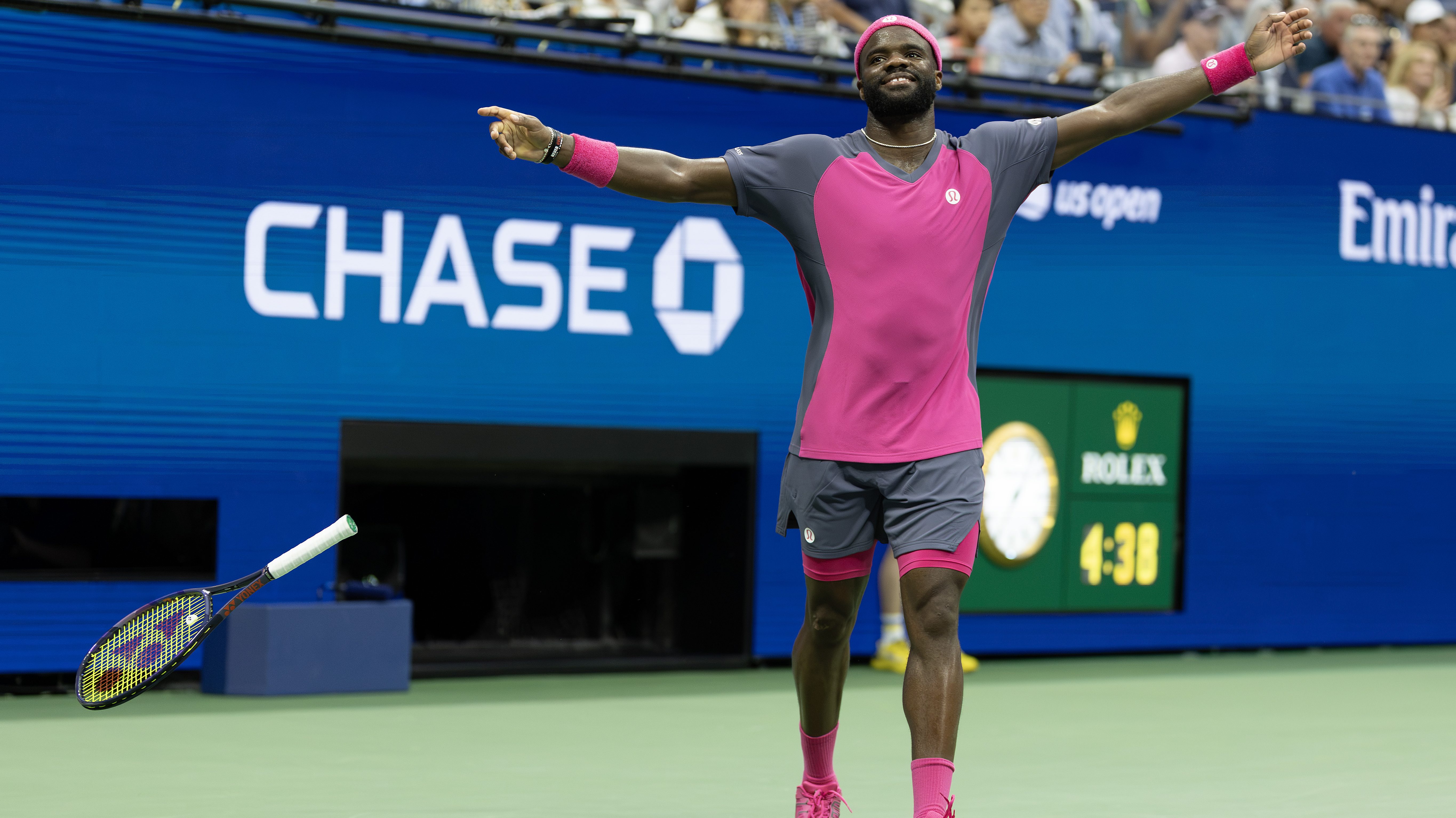
Under the glaring lights of Arthur Ashe Stadium, the energy crackled like an electric storm. Fans filled the seats, shouting, cheering, and waving signs, and for a moment, the world stood still. Amidst this backdrop, Frances Tiafoe and Ben Shelton were not just athletes; they were symbols of hope and resilience, rewriting the narrative of a sport often dominated by a different kind of athlete. As Tiafoe battled Alex Michelsen in a five-set thriller, each swing of his racket echoed a deeper message beyond just winning or losing. It was a declaration that Black excellence is alive and well in tennis.
The excitement surrounding Tiafoe and Shelton brought a fresh energy to a sport frequently criticized for its lack of diversity. These two young men, both representing a new wave of Black talent in tennis, opened doors that many thought had long been closed. Frances Tiafoe, a product of a humble background, has faced adversity that very few can understand. From his roots as the son of immigrants to becoming a national figure, his journey is not just one of personal triumph, but a beacon for many young Black athletes who aspire to break through in predominantly white spaces.
Then there’s Ben Shelton, the 20-year-old phenom who is still carving out his own identity in the sport. His dynamic playing style and electrifying presence on the court have captivated audiences, making him a player to watch. Shelton's ascendance is not merely about his skills but also about what he represents: a generation of athletes who refuse to conform to the traditional molds set by tennis culture. Together, Tiafoe and Shelton have become the faces of a renaissance in American tennis.
In the aftermath of their latest matches, the conversation shifts from the court to the wider implications of their success. The U.S. Open has always been a stage where stories unfold. For many, it is a chance to showcase skill and determination, but for Black athletes like Tiafoe and Shelton, it is so much more. Each point scored is a step toward dismantling the stereotypes that have plagued Black participation in tennis for decades. Their wins and losses echo in community centers, schools, and households across the nation, inspiring a new generation to pick up tennis rackets instead of basketballs or footballs.
The financial stakes in tennis remain significant, and with sponsorship deals and prize money flowing, these players also embody the economic potential for Black athletes in a sport that has historically undervalued their contributions. Tiafoe’s breakthrough into the upper echelons of the sport is not just a personal victory; it serves as a reminder that success in tennis can lead to generational wealth, breaking cycles of poverty in communities that need it most. Their rise is a conversation starter about the often-overlooked economic advantages of diversifying sports.
Yet, challenges persist. The pressure on these young men to perform is amplified by their visibility. For Tiafoe and Shelton, every match is scrutinized, and their failures can feel magnified. The burden of representation weighs heavily, as they often find themselves not just playing for victory but carrying the hopes of countless individuals who see their successes as a reflection of broader racial struggles. The intersection of race, class, and sport creates a unique tension that these athletes navigate daily. They are warriors in a game that holds its historical biases close.
Looking back, legends like Arthur Ashe and Serena Williams paved the way, but Tiafoe and Shelton stand on the shoulders of those giants while forging their own paths. The narratives surrounding these two men are about more than just their athletic prowess; they reflect a shift in how society views Black athletes in tennis. However, the systemic issues that have historically marginalized Black voices in this sport can’t be overlooked. The tennis establishment still needs to come to terms with its past and actively work to ensure that the path is clear for the next generation.
Advertisement
In this moment, as Tiafoe advances to the later rounds of the U.S. Open and Shelton garners attention for his youthful play, the conversation around their significance transcends the court. They are heroes, not just in the context of tennis but in the broader narrative of Black achievement in sports. They are proving that the court can be a place for empowerment, as they inspire young Black boys and girls to envision themselves in roles that were once thought to be out of reach. Their journeys serve as powerful testaments to what is possible when talent meets opportunity.
As the championship rounds approach, fans are left to ponder what the future holds for these athletes. How many more young Black players will step onto the court inspired by Tiafoe and Shelton? Will the sport continue to embrace diversity, or will it retreat back into the shadows of its past? For now, Frances Tiafoe and Ben Shelton stand at the forefront, not only competing but also breaking barriers and redefining what it means to be a Black athlete in the world of tennis. The question remains: are we ready to support this shift? Are we willing to engage with the complexities of race and class in sports? As the story unfolds, one thing is clear: these two stars are just getting started, and the world of tennis will never be the same.