Jada West's Death: A Case Closed but Questions Remain
By Malik Carter, PowerVault Staff A quiet suburban street in Villa Rica, Georgia, became the backdrop to an unexpected tragedy on what seemed to be an ordinary afternoon. On March 5th, 12-year-old Jada West, a student...
By Malik Carter, PowerVault Staff
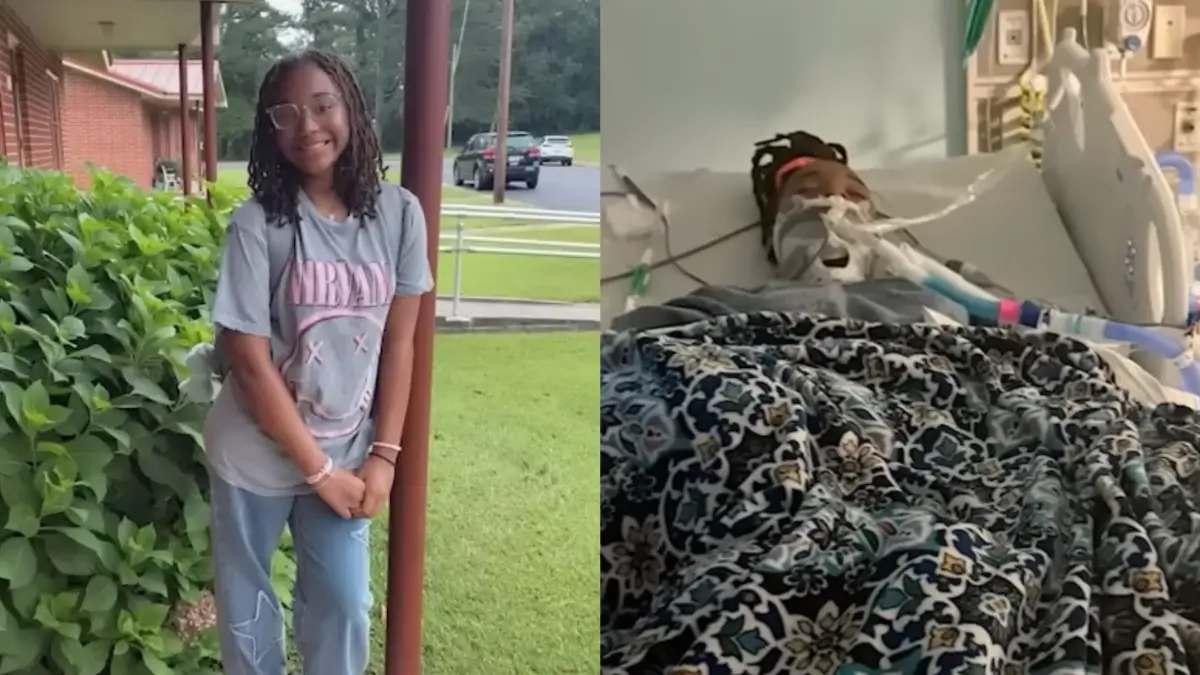
A quiet suburban street in Villa Rica, Georgia, became the backdrop to an unexpected tragedy on what seemed to be an ordinary afternoon. On March 5th, 12-year-old Jada West, a student at Mason Creek Middle School, started her day like any other. However, by the time evening fell, she was lying unresponsive near the curb following a brief but intense physical altercation with another student at her neighborhood bus stop. This incident, shocking in its swift escalation, has left a mark on her community, raising questions about the safety and well-being of children in school environments. The tragic sequence of events unfolded rapidly, transforming a mundane setting into a scene of profound grief and loss, forever altering the lives of those involved.
Douglas County prosecutors have decided to close the investigation into the tragic death of 12-year-old Jada West without bringing any charges. District Attorney Dalia Racine, in a statement covered by CBS News, pointed to the findings of a Georgia Bureau of Investigation autopsy. The autopsy revealed that Jada had an underlying genetic heart condition, which could have been a contributing factor to her sudden collapse. Although the stress from the altercation might have influenced her condition, the medical examination failed to establish a definitive causal link between the fight and her subsequent death. This lack of conclusive evidence played a critical role in the decision to close the case, leaving many to ponder the complexities of attributing responsibility in incidents involving pre-existing medical conditions.
The confrontation between Jada West and the other student, referred to only as J.S., reportedly originated on the school bus. The situation escalated when the bus driver paused before railroad tracks, a routine safety measure, but one that was disrupted by the rising noise level among the students. Amid this chaos, J.S. Called for quiet, which sparked an argument with Jada. District Attorney Dalia Racine detailed that cellphone footage captured the 17-second encounter that ensued, culminating in J.S. Landing on top of Jada after they both fell to the ground. Bystanders quickly intervened to separate the two. This brief yet intense interaction, caught on video, provides a window into the moments leading up to a tragedy that has since raised deep ethical and legal questions.
Witnesses initially observed that Jada West seemed to recover immediately after the physical altercation. She managed to stand up, suggesting she was unharmed. However, shortly thereafter, she lay down near the curb and became unresponsive, indicating a sudden and severe change in her condition. Recognizing the gravity of the situation, J.S. Took swift action by calling her mother, a registered nurse. Her mother arrived and provided immediate medical assistance until emergency responders reached the scene within minutes. Despite these efforts, Jada never regained consciousness and tragically passed away three days later at Children's Healthcare of Atlanta's Scottish Rite Hospital. This sequence of events shows the unpredictable nature of medical emergencies and the challenges faced by those involved as they grappled with the unfolding crisis.
The investigation into Jada West's death was comprehensive, involving several interviews with key witnesses, including the bus driver, students present at the scene, and other bystanders. District Attorney Dalia Racine emphasized that there was no evidence to suggest a history of bullying or previous conflicts between Jada and J.S., who were only acquaintances sharing a bus stop. This thorough investigative process aimed to uncover any underlying factors that might have contributed to the tragic outcome. Despite the scrutiny, the findings did not support the existence of any prior hostilities, complicating the narrative and leaving the community with more questions than answers. A video discussing the case's key findings and the DA's decision is available below, offering further insights into the complexities of the situation.
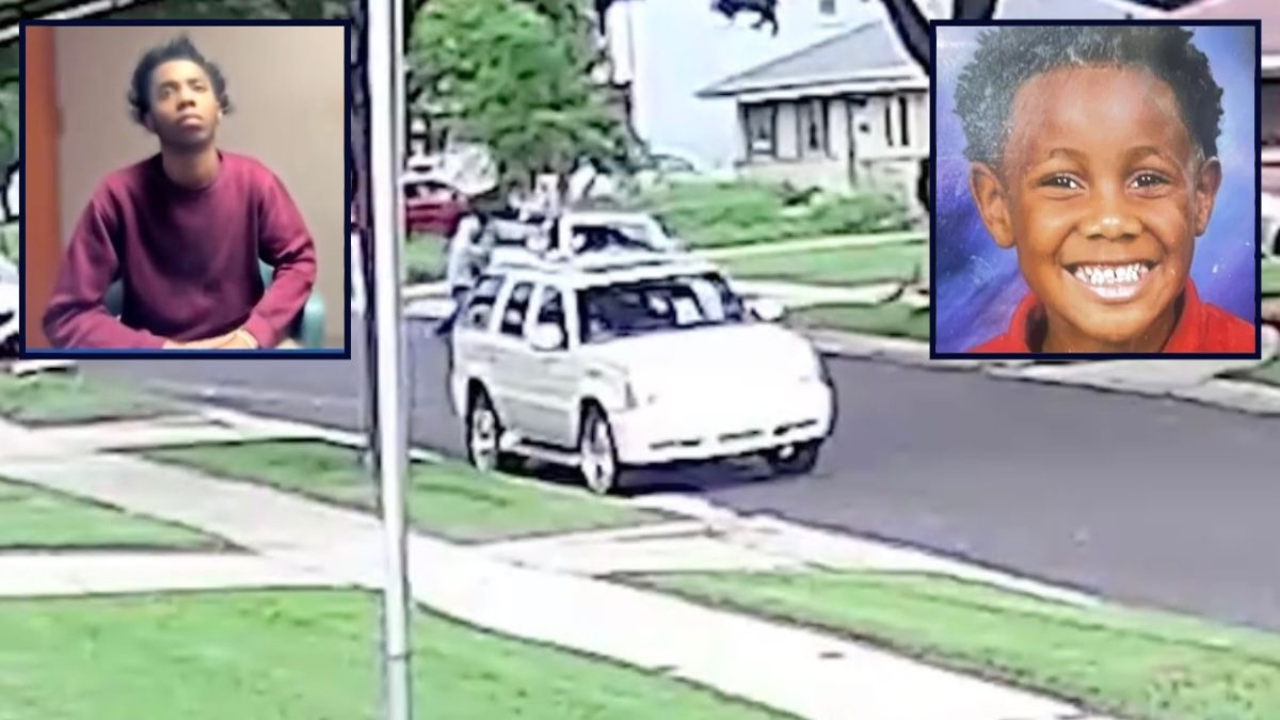
Jada West's heartbreaking story echoes numerous other cases where tragedy strikes, yet justice remains elusive. The systemic flaws highlighted by the case of Heather Thompson, where accountability mechanisms were scrutinized, resonate here. Jada's case shows unresolved issues in addressing incidents involving children and determining culpability. Legal outcomes often leave families distraught, grappling with the sense that the system may have failed them. The inability to establish clear accountability in Jada's death raises broader concerns about the effectiveness of current legal frameworks in handling such sensitive cases. As communities attempt to handle the aftermath, they are left questioning whether existing systems are equipped to deliver justice, particularly when the events involve complex intersections of medical, legal, and ethical considerations.
But this case is more than just a tragedy; it reveals systemic shortcomings in our justice system. While the medical findings appear inconclusive, the situation leaves us questioning if enough was done to truly understand the events leading to Jada's death.
A tragic loss with no accountability should prompt us to reevaluate the systems at play.
The tragic loss of Jada West without any accompanying accountability should compel a reevaluation of the systems in place. The decision to close the case without charges illuminates significant concerns regarding how our legal framework currently assesses responsibility, especially in cases involving children. This situation presents a troubling precedent: can medical ambiguities overshadow the imperative need for accountability? The closure of Jada's case raises critical questions about the criteria used to determine culpability, particularly when pre-existing medical conditions are involved. It challenges us to consider whether the current legal processes adequately address the complicated realities of juvenile conflicts, or if they inadvertently allow for gaps in justice that leave families without closure and communities without reassurance that incidents have been thoroughly and fairly examined.
From the perspective of Jada West's family, the frustration with the legal outcome is palpable and deeply felt. They firmly believe that the stress from the altercation directly exacerbated Jada's pre-existing heart condition, ultimately leading to her untimely death. Their position is unequivocal: without the fight, Jada might still be alive today. However, this conviction faces formidable legal and medical hurdles. The court's decision reflects the complexities inherent in proving causation where underlying health issues intersect with external stressors. Despite their unwavering belief, the family encounters insurmountable obstacles within the current judicial system, which demands definitive proof that the fight was the proximate cause of Jada's death. This case highlights the often insurmountable challenges families face when seeking justice within a framework that requires clear, incontrovertible evidence.
For the Villa Rica community, the closure of Jada West's case without justice serves as a painful reminder of similar past cases where accountability was blurred. It reflects a recurring pattern where young lives are tragically lost, yet the system provides little solace or resolution for grieving families. Such outcomes show the urgent need for legal reforms that more effectively balance medical insights with the human elements of justice. The absence of clear accountability in Jada's case has sparked a broader dialogue about the limitations of the current legal framework in addressing the complexities of juvenile altercations. It calls into question whether existing laws sufficiently protect children and provide families with the reassurance that every avenue for justice has been thoroughly pursued.
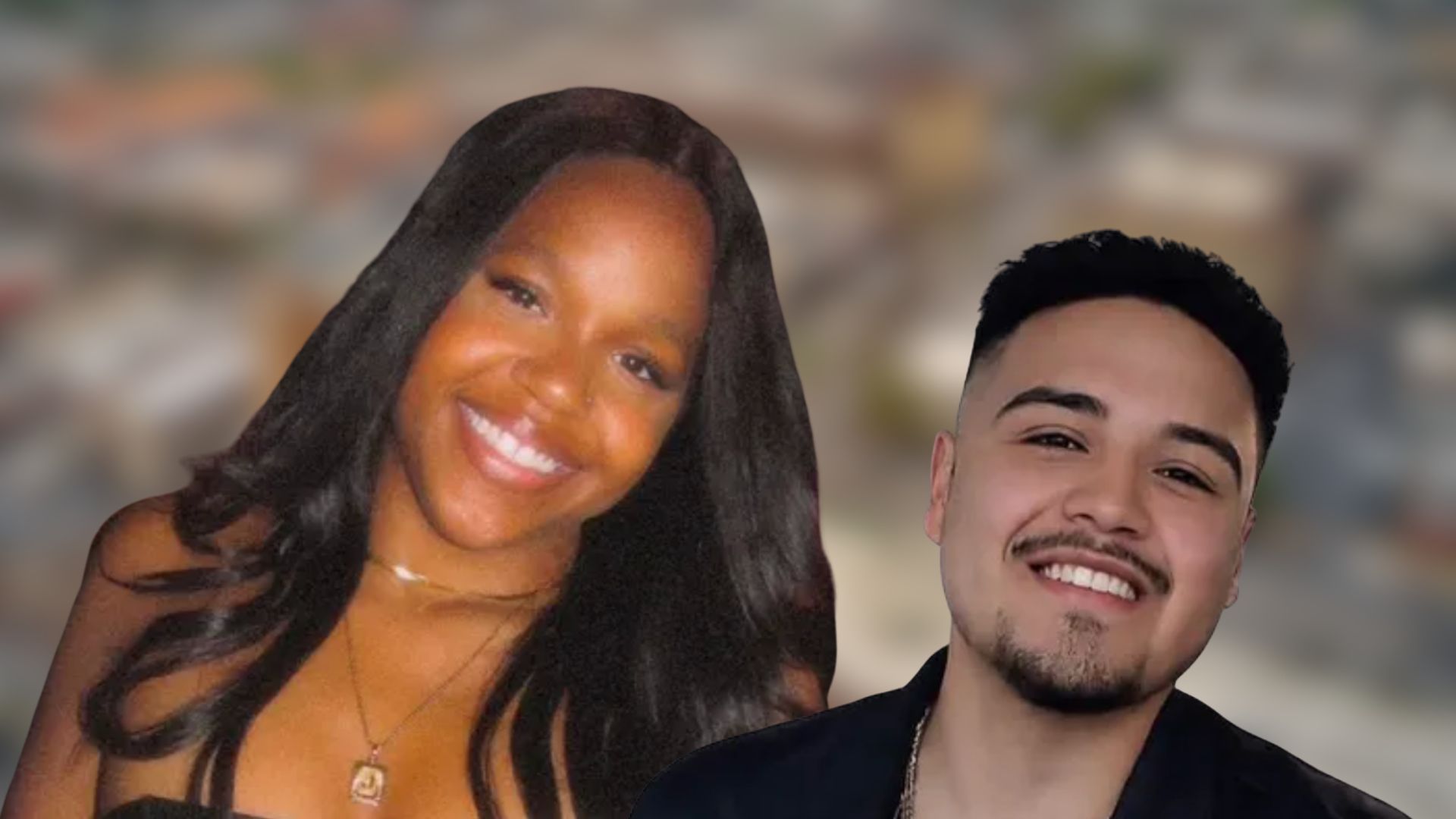
Race and socio-economic factors often play silent but significant roles in the administration of justice, and these dynamics cannot be ignored in the context of Jada West's case. As seen in the Tuscaloosa tragedy involving Jazmine Bates and Jose Felix Alvarez-Duenas, underlying biases can influence investigative priorities and shape public discourse. Such disparities may affect how justice is pursued or perceived, potentially skewing outcomes in subtle but impactful ways. In Jada's case, these latent factors might have influenced both the investigation and the public's perception of the events, complicating the pursuit of justice. Recognizing and addressing these biases is crucial to ensuring that all individuals, regardless of their background, receive fair and equitable treatment within the judicial system.
For Jada West's family, their quest for justice may not end with the District Attorney's decision to close the case. The community and observers are left to grapple with the broader implications of this tragedy. Jada's abrupt and premature death serves as a potent call to action, demanding a reexamination of how juvenile conflicts are addressed and the accountability structures intended to protect children. This case challenges us to consider whether existing systems adequately safeguard young lives or if they fall short in delivering justice and closure. As the community reflects on these issues, the question remains: will Jada's case inspire meaningful change and reform, or will it fade into the background as another unresolved tragedy, leaving in its wake a call for introspection and systemic overhaul?