Jazmine Bates and Jose Felix Alvarez-Duenas: Tragic Loss in Tuscaloosa
By Tanya Brooks, PowerVault Staff The calm of a typically peaceful Tuscaloosa neighborhood was shattered on the afternoon of July 6th, 2023, when police entered a home following a welfare check request. The officers w...
By Tanya Brooks, PowerVault Staff
The calm of a typically peaceful Tuscaloosa neighborhood was shattered on the afternoon of July 6th, 2023, when police entered a home following a welfare check request. The officers were not prepared for the haunting scene that awaited them: two vibrant lives abruptly cut short, a family dog lifeless, and the eerie presence of a suspect hiding in the attic crawl space above. This was no ordinary welfare check, it unfolded into a grim discovery that would send shockwaves through the community and beyond, leaving residents grappling with the tragic loss and the unsettling questions it raised about safety and trust.
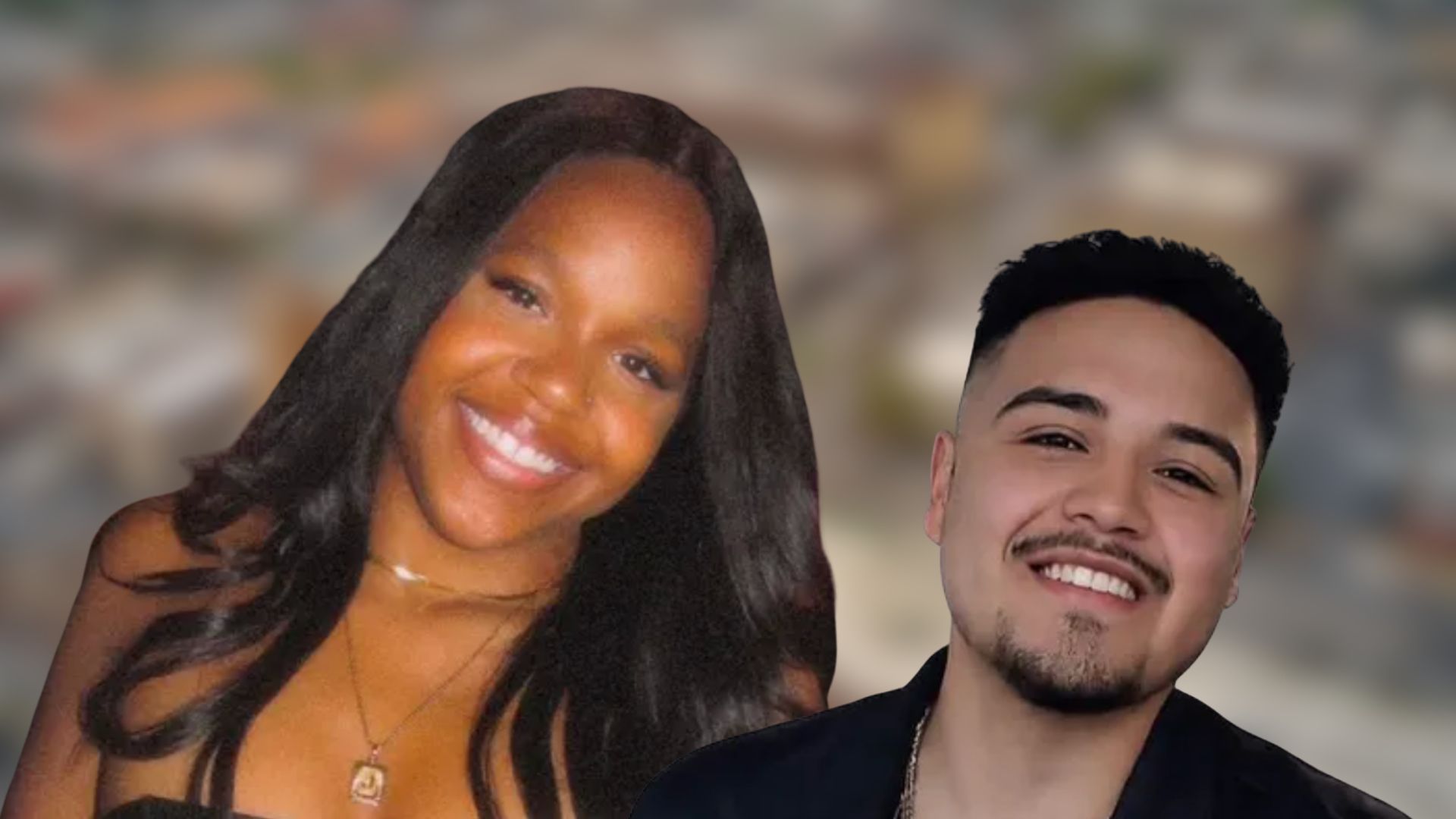
The victims were 22-year-old University of Alabama student Jazmine Alexis Bates and 31-year-old Jose Felix Alvarez-Duenas, a devoted father of three children. Both individuals were well-known and cherished within their personal and professional circles. The tragic story, initially reported by People, began when the homeowner, who was out of town, grew increasingly concerned after being unable to reach Alvarez-Duenas, who was entrusted with watching her house and dog. Her suspicions were heightened when she reviewed footage from her doorbell camera, which captured a mysterious figure lurking around the property in the early morning hours. Alarmed by this, she notified her landlord, who promptly contacted the police to investigate.
When officers arrived at the residence around 1 p.m., they were confronted with a harrowing scene. Alvarez-Duenas was found dead near the entrance, a stark reminder of the violent breach that had occurred. Further inside, officers discovered Bates' body hidden within a bedroom closet, deepening the tragedy of the day's events. The homeowner’s dog was also found shot dead, adding to the senseless loss of life. Bates had been visiting Alvarez-Duenas, underscoring the intertwined lives and connections that marked this deeply tragic narrative. Investigators noted that all parties involved, the victims, the suspect, and the homeowner, were acquainted, adding layers of complexity to the unfolding investigation.
The police rapidly identified the suspect as 24-year-old De’Kendrick Crawford, and the manhunt led them to a relative's apartment in the nearby city of Northport. Crawford did not surrender easily, resulting in a tense four-hour standoff with law enforcement. Ultimately, he was found hiding in a crawl space within the apartment and was taken into custody. Crawford faces severe charges, including capital murder involving two or more victims and a firearms offense. He remains in custody without bond, as the court denied him this privilege. While he has yet to enter a plea, the absence of a publicly disclosed motive leaves many questions lingering about the circumstances that led to these brutal killings.
The victims were cherished individuals whose lives extended far beyond the headlines of this tragedy. Jazmine Alexis Bates, originally from Chicago, was a vibrant student at the University of Alabama, eagerly anticipating her graduation. Her energy and determination left a lasting impact on those around her. Jose Felix Alvarez-Duenas, a devoted single father, was deeply committed to raising his three children, who were the center of his world. Both worked at Buffalo Phil's Wings, a local eatery that mourned them as valued and beloved members of its family. As this brief glimpse into their lives reveals, their loss is profoundly felt by all who knew them, and the pain of their absence resonates deeply within the community.
Tragedies like this one resonate with a troubling pattern observed in other recent cases, such as the shooting of Jaylen Burns at Jackson State University. These incidents highlight systemic issues embedded within university communities, where existing safety protocols often prove inadequate in safeguarding students and staff. Such tragedies are not isolated occurrences; they are part of a larger narrative of violence that continues to permeate our educational institutions. This persistent threat shows the urgent need for comprehensive reforms that address the root causes of violence and enhance the protective measures available to those who live, study, and work within these environments.
Beneath the surface of this horrific event lies a crucial question: How are we ensuring the safety of our students and neighbors? Bates and Alvarez-Duenas' story is a chilling reminder of the vulnerabilities within our communities.
This case highlights the deep imperfections in our justice system and community safety networks.
The implications of this case extend far beyond the immediate and devastating loss of life. For the families of Jazmine Bates and Jose Felix Alvarez-Duenas, the tragedy has irrevocably altered their world. They now face the complex and emotionally taxing journey through grief, compounded by the demands of handling legal proceedings and the arduous pursuit of justice. The void left by the untimely deaths of their loved ones is profound, one that fundraising campaigns, while well-intentioned, cannot truly fill. As they grapple with these challenges, the families are forced to confront the harsh realities of a justice system that must deliver not just accountability, but also a sense of closure and peace.
From a systemic standpoint, this tragedy shows a profound failure in our community safety nets. It raises critical questions about how a known acquaintance could so violently breach the lives of their victims. This incident echoes the broader failings of our justice and security systems, which too often operate in a reactive mode rather than focusing on prevention. The inability of existing measures to foresee and forestall such violence calls for a thorough examination of our current safety protocols and the implementation of proactive strategies that prioritize the protection of individuals and communities. Only by addressing these systemic weaknesses can we hope to prevent similar tragedies in the future.
For the community and the readers following this story, there is an unmistakable and urgent call to action. As the narrative of these tragic events continues to unfold, it is imperative that we remain vigilant in demanding transparent investigations and advocating for comprehensive safety reforms. This case is not solely about holding individuals accountable for their actions; it is a stark reminder of the collective responsibility we share as a society to protect our most vulnerable members. By insisting on systemic changes that prioritize safety and justice, we can begin to build a more secure environment for all, one where such senseless acts of violence are no longer a recurring reality.
The racial and socioeconomic dynamics at play in this case cannot be ignored. Both Jazmine Bates and Jose Felix Alvarez-Duenas were minority individuals striving to succeed within a system that often marginalizes their voices and experiences. De’Kendrick Crawford, the suspect, also hails from a background that may have influenced his life choices and circumstances. These dynamics necessitate a deeper examination of how race and class intersect with issues of violence and justice in America today. Understanding these factors is crucial in addressing the root causes of violence and ensuring that justice is equitably served across all communities, regardless of their racial or economic backgrounds.
As we look to the future, the resilience of the Tuscaloosa community will undoubtedly be tested. The forthcoming court proceedings will unfold under the scrutiny of a public eager for answers, and the weight of seeking justice will hang heavy over all involved. Our role, as observers and advocates, is to remain engaged, to question, and to push for a justice system that genuinely serves its people and delivers fair and equitable outcomes. The legacy of Jazmine Bates and Jose Felix Alvarez-Duenas compels us to rethink our approaches to safety and justice, urging us to commit to change and to remain vigilant in our pursuit of a safer, more just society.