Javits Frimpong's Tragic Death: A Community in Mourning and the Quest for Justice
By Malik Carter, PowerVault Staff Javits Frimpong, a 15-year-old immigrant from Ghana, was tragically shot dead near East 171st Street and Crotona Place in the Bronx, a crime that has ignited a wave of grief and anger...
Advertisement

By Malik Carter, PowerVault Staff
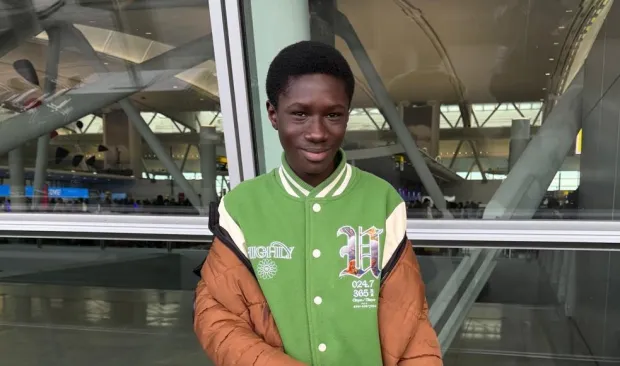
Javits Frimpong, a 15-year-old immigrant from Ghana, was tragically shot dead near East 171st Street and Crotona Place in the Bronx, a crime that has ignited a wave of grief and anger across the community. The teenager was fatally shot on a Thursday morning while on his way to school, a routine journey that should have been safe. His untimely death has left a family and community reeling, grappling with the sudden loss of a promising young life. As they mourn, they are also demanding answers from authorities over the senseless act of violence, questioning how such a tragedy could occur in their midst. The shooting has not only broken the hearts of his loved ones but has also shaken the community's sense of security, highlighting the urgent need for justice and accountability.
The death of Javits Frimpong has not only devastated his family but has also sparked significant attention and support, underscoring the profound impact of his loss. This tragedy has reached beyond local community vigils, extending to the stages of major concert venues where his memory is honored. ABC7NY reported that Javits' mother, still in Ghana, mourns her son from afar, her grief compounded by the distance that separates her from the rest of her family during this painful time. Meanwhile, his father, Thomas Frimpong, has voiced concerns about the bullying Javits faced, which adds further layers to the tragedy of a promising life ended too soon. The family's struggle is a poignant reminder of the challenges faced by immigrant families, who often have to contend with cultural barriers and systemic issues while trying to protect their children.
Despite the community's outpouring of support, the police have yet to establish a clear motive for the killing, leaving many questions unanswered. The family's anguish is palpable, as illustrated by viral social media clips of Javits' mother, who is seen grieving her son from thousands of miles away in Ghana. Her situation, marked by the heartache of distance and loss, caught the attention of New York City Mayor Zohran Mamdani. He publicly addressed the tragedy and announced that President Donald Trump agreed to grant her a visa to come to New York, offering a glimmer of relief amid the sorrow. This gesture highlights the complexities of immigration and the additional burdens that distance can impose on families during times of crisis. The YouTube video bearing witness to this painful moment serves as a stark reminder of the human cost behind the headlines.
In the Bronx, the community's response has been both supportive and demanding, with a strong call for justice resonating throughout the neighborhood. A vigil held in Javits's honor gathered many members of the community, who surrounded his older brother in a poignant display of solidarity. The vigil, captured in numerous videos, showcased a deeply unified demand for justice and answers about the circumstances surrounding Javits' death. This collective grief is reminiscent of the 2018 murder of Lesandro 'Junior' Guzman-Feliz, another Bronx teenager whose death sparked widespread outrage and calls for justice. Both cases highlight the ongoing struggle against violence and the systemic issues that often leave young lives vulnerable. The community's determination to seek accountability serves as a powerful reminder of the strength found in unity and the relentless pursuit of justice.
The attention Javits' case has drawn also intersects with the world of entertainment, amplifying the reach of his story. Bronx rapper A Boogie Wit da Hoodie paused his 10th-anniversary concert for a moment of silence in Javits' memory, a powerful gesture that indicates the tragedy's impact beyond the immediate community. In doing so, he used his platform to honor Javits and draw attention to the broader issues surrounding his death. Comedian Michael Blackson, a Ghanaian immigrant himself, shared his reflections on the common struggles faced by young African immigrants in America, highlighting bullying as a persistent issue that complicates the immigrant experience. These discussions, visible in the YouTube video included, show the cultural and systemic challenges that immigrant communities often face. They also emphasize the need for open conversations about these issues to foster understanding and change.
To understand Javits' tragic death, it's crucial to place it within a broader pattern of violence affecting Black youth in America. The Bronx has seen its share of tragedies, from the heartbreaking case of Junior Guzman-Feliz in 2018 to the recent spate of violence affecting marginalized communities, each incident painting a grim picture of reality on the ground. These tragedies show a chronic failure in addressing systemic issues that leave communities vulnerable, with historical patterns of neglect and inadequacy in law enforcement responses revealing a grim cycle that continues to repeat itself. This cycle is perpetuated by systemic inequalities and a lack of proactive measures to address the root causes of violence, leaving communities to bear the brunt of these failures. Understanding these patterns is crucial in the fight for justice and reform, as it highlights the urgent need for change and accountability.
Justice remains elusive, as systemic failures within the justice system persist, leaving communities in a perpetual state of vulnerability and grief.
This is more than a story about one boy's tragic death; it's about a community's fight against an indifferent system.
The death of Javits Frimpong exposes the harsh realities faced by immigrant families in America, particularly those in marginalized Black communities. His story is a stark reminder of the vulnerabilities that immigrants face, including cultural adjustments, systemic racism, and, as Javits’ father pointed out, bullying. These challenges are compounded by the often indifferent or inadequate responses from systems designed to protect, leaving families to handle a scene fraught with obstacles. This is more than a story about one boy's tragic death; it's about a community's fight against an indifferent system that frequently fails to address their needs and concerns. The Frimpong family's experience is emblematic of broader issues that affect many immigrant families, highlighting the need for systemic change to ensure that tragedies like Javits' death do not continue to occur.
Beyond the immediate impact on Javits’ family, the case draws attention to the broader inadequacies of the justice system when it comes to protecting marginalized communities. The lack of a clear motive from the police adds to the frustration and helplessness felt by the community, who are left grappling with unanswered questions and a sense of injustice. These systemic issues aren’t just local; they are national and persistent, reflecting a deeper need for comprehensive reform within policing and community engagement strategies. The themes echoed in this case align with what we’ve previously covered about the justice system's failures in Rodney Hinton Jr.'s Case, where similar patterns of neglect and inadequate responses were evident. Addressing these systemic flaws is essential in building a more just and equitable system that truly serves all communities.
Community resilience amid tragedy is proof of the strength and solidarity that often arise from shared grief and struggle. When Bronx rapper A Boogie Wit da Hoodie paused his concert, it signified more than just a tribute; it was a cultural moment of unity and recognition, a powerful statement of collective mourning and resistance. The social media response, showcased in the Instagram post below, further highlights how deeply Javits' story has resonated across different platforms, driven by a community determined not to let his death pass without accountability. This collective action shows the importance of solidarity in the face of tragedy, as the community comes together to demand justice and ensure that Javits' death is not in vain. It serves as a powerful reminder of the potential for change when communities stand united in their fight for justice.
Advertisement
The backdrop of racial and class tensions in Javits' death cannot be ignored, as his story unfolds against deep-seated systemic inequalities that often exacerbate outcomes for young Black individuals. This case, like many others, lays bare the intersection of race, class, and identity, challenging societal norms and prompting uncomfortable truths about the disparities that persist in our society. In light of this, it’s worth comparing with the dynamics explored in Drake's Investment in K-Os, where systemic barriers are also at play. Both cases highlight the pervasive nature of these issues and the need for meaningful dialogue and action to address them. The systemic inequalities that contributed to Javits' death are part of a larger societal problem that requires urgent attention and reform, as they continue to impact countless lives across the nation.
As the Frimpong family waits for answers, the community remains vigilant, pushing for accountability and change. It’s a call to action for everyone, not just to mourn Javits' loss but to demand systemic changes that might prevent similar tragedies in the future. This call extends beyond Javits, urging us all to question the systems in place and challenge them to do better for the next generation. As we watch for developments, the community’s persistence serves as a powerful reminder that change is not only necessary but critical. The fight for justice is ongoing, driven by a collective vision for a future where tragedies like Javits' are no longer a common occurrence, and where every young life is valued and protected.