Tennessee Teen Charged in DoorDash Delivery Ambush: A Community's Search for Justice
By Malik Carter, PowerVault Staff Chad T. Wright, a 16-year-old from Nashville, stands accused of a crime that has deeply unsettled the Madison community and beyond. On the evening of October 15, Wright allegedly open...
Advertisement

By Malik Carter, PowerVault Staff
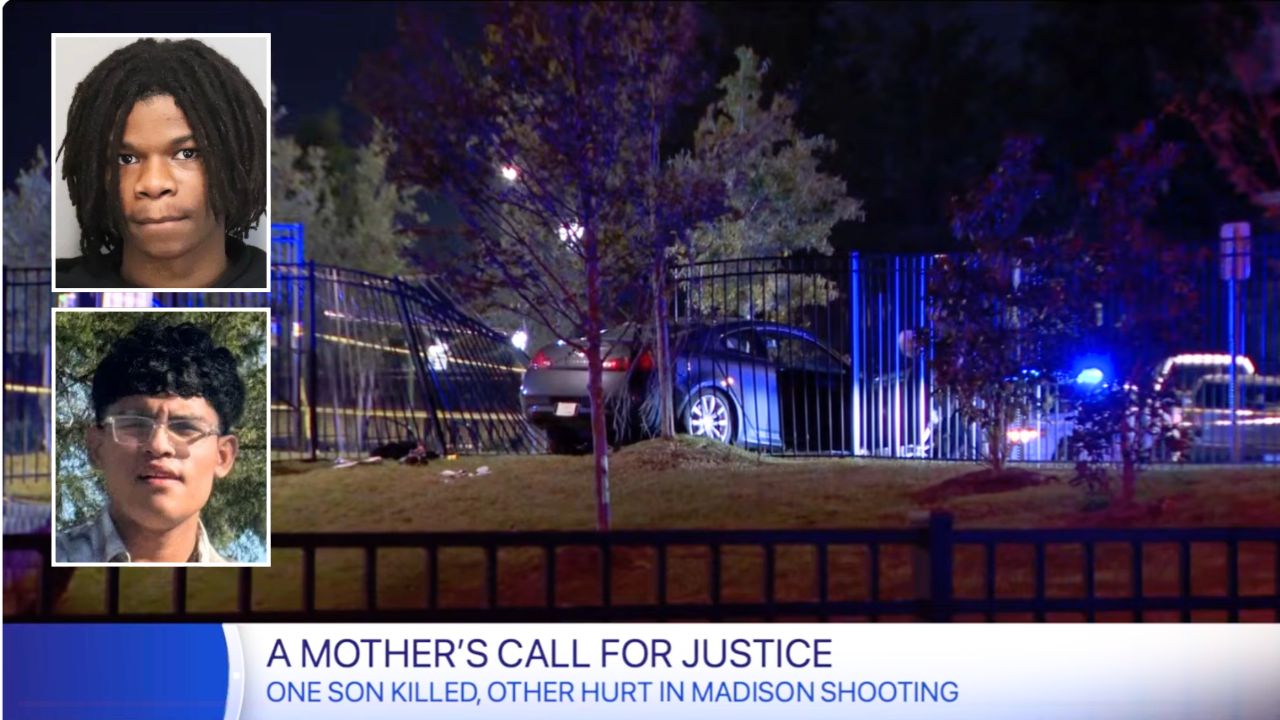
Chad T. Wright, a 16-year-old from Nashville, stands accused of a crime that has deeply unsettled the Madison community and beyond. On the evening of October 15, Wright allegedly opened fire on two brothers, 22-year-old John Diaz Santos and his 14-year-old sibling, who were delivering food for DoorDash. This incident unfolded in the parking lot of Birchstone Village Apartments, a residential area north of Nashville. Santos, a young man with aspirations and a future, was tragically killed in the attack, while his younger brother sustained critical injuries. The assault has not only devastated the Santos family but has also ignited widespread outrage and calls for justice within the community, underscoring the urgent need for answers and accountability.
The Metropolitan Nashville Police Department has charged Chad T. Wright with criminal homicide, attempted criminal homicide, and engaging in a criminal conspiracy, reflecting the gravity of the offense. The attack occurred around 7:45 p.m. In Madison, Tennessee, a community situated just north of the bustling city of Nashville. Multiple news outlets, such as Law & Crime, have reported on the tragedy, highlighting the words of the victims' father, who recounted that his sons were merely trying to earn a living by delivering food that evening. This detail shows the senselessness of the crime, as the brothers' routine night of work was violently disrupted, leading to a loss and suffering that the community is still grappling with.
The deadly encounter began when an unidentified individual approached the brothers' black Infiniti sedan and began shooting without warning. Within moments, two more assailants allegedly joined the initial attacker, further escalating the violence by opening fire on the vehicle before making their escape. In the chaos, John Diaz Santos attempted to flee the scene but was fatally wounded, causing him to crash into a nearby fence. His younger brother, left critically injured, was rushed to a hospital for emergency treatment. The scene of the incident, captured in a video, reveals the aftermath of the attack, showing the shattered remains of a night that was meant to be ordinary but turned extraordinarily tragic.
Wright was apprehended at his high school on October 30, a development that marks only the beginning of a complex investigation. While law enforcement officials have suggested robbery as a potential motive, numerous questions remain unresolved. The lack of clarity about whether additional suspects are being pursued adds to the uncertainty surrounding the investigation. This ambiguity raises concerns about the thoroughness of the police work and whether all individuals involved will be held accountable. The community, still reeling from the attack, is left in a state of unease, demanding more transparency and action from authorities to ensure justice is fully served.
In the wake of this tragedy, the community has come together to support the Santos family, illustrating the power of collective empathy and solidarity. A GoFundMe campaign has been launched to alleviate some of the financial burdens faced by the family, highlighting John Diaz Santos's character as a "loving, caring, hardworking young man with so many dreams and his whole life ahead of him." The campaign serves as proof of the impact Santos had on those around him. Meanwhile, the uncertain condition of his younger brother only deepens the family's anguish and fuels the community's determination to seek answers and justice. The family's plight has resonated widely, prompting a broader reflection on the need for systemic change.
This tragic case is part of a disturbing trend where young lives are continually endangered by violence and systemic oversight. Similar cases, like that of Rodney Hinton Jr., emphasize the broader implications of such incidents and the urgent need for reform. In 2026, Hinton's case exposed significant systemic failures in addressing youth violence and ensuring community safety. These failures raise critical questions about the effectiveness of existing protective measures and the responsibilities of institutions tasked with safeguarding young lives. The recurring theme of neglect in these cases points to a systemic issue that demands immediate attention and action from policymakers and community leaders alike.
When a 16-year-old can be involved in such a violent act, it screams a failure of the system meant to protect and nurture our youth.
When a 16-year-old can be involved in such a violent act, it screams a failure of the system meant to protect and nurture our youth.
This case starkly illustrates the harsh intersection of youth violence and economic pressures faced by many in the community. For numerous young Black men, economic opportunities are scarce, often leaving them vulnerable to the lure of quick, albeit dangerous, money. This societal failure often entangles them in cycles of crime and punishment, rather than providing pathways to prosperity. The systemic barriers that should support their development instead push them towards perilous paths, highlighting the urgent need for economic reforms and support systems tailored to uplift young individuals. Addressing these root issues is crucial for breaking the cycle and fostering a safer, more equitable community.
The justice system's response to this case will serve as a critical test of its dedication to fair and equitable justice. A key question remains whether the system will focus solely on punitive measures or address the underlying causes that drive youth towards crime. Historical precedents reveal a tendency to prioritize punishment over essential socio-economic reforms, often neglecting the broader context that contributes to such tragic events. Addressing these systemic issues requires a holistic approach that goes beyond courtroom verdicts, encompassing community-based solutions and policy changes aimed at prevention and rehabilitation rather than mere retribution.
For the community, this incident transcends a mere headline; it represents an urgent call to action. It compels us to examine how we can better support our youth and ensure safer environments for them to thrive. This tragedy echoes the themes explored in our piece on Javits Frimpong's tragic death, where systemic failures and a lack of preventative measures resulted in devastating consequences. In both instances, the absence of proactive interventions shows the need for comprehensive strategies that prioritize the well-being of young individuals and address the root causes of violence. The community's response must reflect a commitment to lasting change and vigilance against complacency.
Advertisement
The tragedy involving the Santos brothers is deeply rooted in the complex social dynamics that define Nashville. Persistent racial and economic divides create an environment where such crimes can occur, often leaving Black communities feeling vulnerable and voiceless. The systemic biases in policing and justice contribute to a cycle of disenfranchisement, where opportunities are scarce, and support systems fall short. Despite these challenges, the community's response, marked by vigils and fundraising efforts, reflects a profound desire for justice and change. It highlights the resilience of those who are often marginalized, showcasing a collective determination to not only seek justice for the Santos family but also to push for systemic reforms.
The path forward demands both immediate action and long-term strategies to address the underlying issues exposed by this tragedy. As developments in the case unfold, it is imperative to advocate for systemic changes that go beyond punitive measures. Reviewing policing practices, investing in youth programs, and fostering economic opportunities are essential steps toward creating a safer and more equitable future. The community's future hinges on our ability to demand more than just accountability; we must also insist on meaningful change that prevents future tragedies. This pursuit of justice is not merely about solving one case but about creating a society where such violence becomes a rarity.