Rodney Hinton Jr.'s Case: A Tragic Chain of Events and Its Broader Implications
By Marcus Ellison, PowerVault Staff Rodney Hinton Jr., a 40-year-old Ohio father, has been sentenced to 18 months in prison for assaulting corrections officers while awaiting trial for murder. This sentence, handed do...
Advertisement

By Marcus Ellison, PowerVault Staff
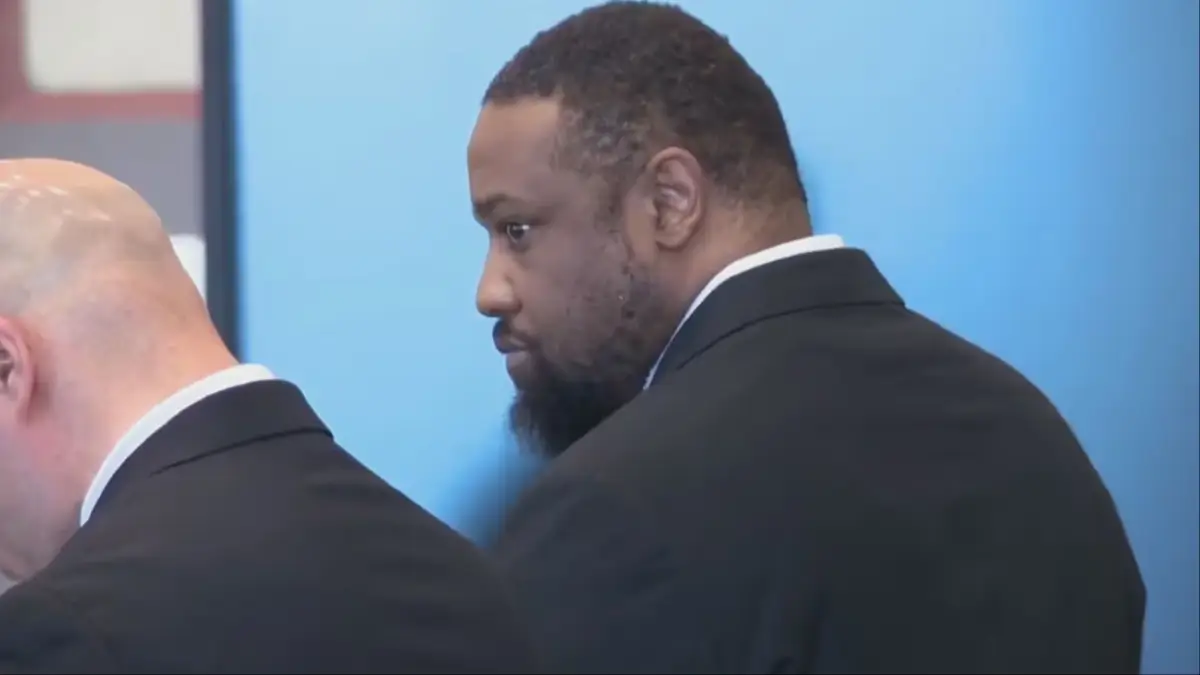
Rodney Hinton Jr., a 40-year-old Ohio father, has been sentenced to 18 months in prison for assaulting corrections officers while awaiting trial for murder. This sentence, handed down just days after his conviction for murder, shows the complexity and tragedy of his case, which involves two counts of felonious assault and two counts of reckless homicide tied to the death of a retired sheriff's deputy. Hinton's situation highlights deep-seated systemic issues within the justice system, as it involves an emotionally charged series of events that unfolded under extraordinary circumstances. His story is not just one of criminal actions but also of a father profoundly impacted by personal tragedy and systemic failures, raising questions about the nature of justice and accountability.
Hinton's journey to this point began on May 2, 2025, when a devastating chain of events unfolded. Earlier that day, Hinton had been confronted with heartbreaking bodycam footage showing the fatal police shooting of his 18-year-old son, Ryan. Overwhelmed by grief and anger, Hinton later struck retired Deputy Larry Henderson with his vehicle, leading to the deputy's tragic death. At the time, Henderson was performing his duty, directing traffic during a University of Cincinnati commencement ceremony. The collision was more than a mere accident; it was the culmination of hours of emotional turmoil for Hinton. His subsequent arrest and detention in Clermont County Jail set the stage for later incidents, including the assault on corrections officers, further complicating his legal situation.
The assault charges against Hinton arose from an incident on December 13, 2025, while he was still awaiting trial. Prosecutors stated that after disrupting the jail’s shower room, Hinton punched one officer twice and kicked two others who came to restrain him. The altercation highlighted the tension and volatility of Hinton's emotional state. Judge Anthony Brock, considering Hinton's prior record and the gravity of these actions, imposed an 18-month sentence to run consecutively across three fifth-degree felony counts. Despite Hinton's repeated apologies to the officers, a gesture captured in body-camera footage, the court found these expressions insufficient to mitigate his responsibility. The incident underscored the challenges Hinton faced in handling his grief and anger while incarcerated.
Judge Brock justified the consecutive sentences by pointing to Hinton's history of violence and the perceived risk of future offenses. He emphasized that the 18-month prison term was solely for the jail assaults and remained separate from the consequences Hinton faced for Deputy Henderson's death. With 320 days already served in jail credited towards his sentence, the ruling highlighted the court's focus on punishment over rehabilitation. On November 16, Hinton will face sentencing for the murder conviction with the possibility of a life sentence, a decision that will further impact his future and that of his family. The court's approach reflects ongoing debates about justice and how it is dispensed in cases involving deeply personal and systemic trauma.
This case, reported by the Atlanta Black Star, transcends the actions of one individual, revealing broader systemic failures within the justice system. Hinton’s reaction, driven by the intense grief and trauma of losing his son under violent circumstances, shows the profound emotional and psychological toll that encounters with law enforcement can exert, particularly on Black families. The case illustrates how the justice system often overlooks the human element, how individuals handle personal tragedies within a framework that can seem indifferent to their suffering. The layers of complexity in Hinton's case demand a closer examination of how systemic issues contribute to such incidents and the need for reforms that address these pervasive inequities.
Hinton’s story resonates deeply with many, evoking memories of past tragedies where grief and desperation collided disastrously with the legal system. The police shooting of his son, Ryan, painfully echoes cases like that of Tamir Rice in 2014, where Black youth suffered fatal encounters with law enforcement. These incidents leave lasting marks on families and communities, serving as stark reminders of the urgent need for comprehensive changes in policing practices. Each case shows the systemic issues that continue to put Black lives at disproportionate risk, highlighting the persistent demand for accountability and reform. The collective pain experienced by these communities calls for a reevaluation of how law enforcement interacts with marginalized populations.
The Hinton case raises critical questions about how justice is served and for whom. While some might argue in favor of strict legal repercussions, others see Hinton's actions as those of a man pushed beyond the brink by a system that failed him repeatedly. Can justice be truly served when the scales seem so heavily weighted against certain communities?
The justice system seems to work differently depending on the color of your skin.
Rodney Hinton's situation shows a critical issue: the lack of mental health support within the justice system. Many incarcerated individuals grapple with untreated mental health issues, exacerbated by traumatic experiences they cannot process in punitive environments. Rather than addressing these needs, the system prioritizes punishment over rehabilitation, a choice that often leads to tragic outcomes. Hinton's violent reaction, following the traumatic loss of his son, is a poignant example of what happens when emotional distress goes unaddressed. Without adequate support systems, individuals like Hinton are left to handle their grief and anger alone, often resulting in further legal transgressions. This case calls for a reevaluation of how mental health is addressed within the justice system.
The justice system appears to operate differently based on racial lines, with Hinton's case exemplifying the stark racial disparities in sentencing and treatment. Questions linger about whether the outcome would have been the same had Hinton not been a Black man. This uncertainty is not lost on the community, which is acutely aware of the biases inherent in the judicial process. The disparities in treatment and sentencing fuel a pervasive mistrust in the system, prompting calls for greater scrutiny and accountability. Hinton's case is a symptom of a larger issue, reflecting the systemic injustices that continue to affect marginalized communities. The need for reform is evident, yet achieving meaningful change remains an ongoing struggle.
The racial dynamics in Hinton's case are glaring, illustrating how the justice system often disproportionately penalizes Black individuals. While Hinton faces severe punishment, officers involved in fatal shootings of Black individuals frequently escape similar consequences. The acquittal of the Michigan cop for excessive force, despite clear evidence of brutality, highlights the disparities in how justice is applied. Community reactions, as seen in the Instagram post below, show the persistent fight for accountability and equality. These disparities not only undermine trust in the justice system but also fuel a broader movement calling for systemic reform. Hinton's case serves as a catalyst for ongoing discussions about racial inequality and the urgent need for change.
Advertisement
As Rodney Hinton awaits the final sentencing for murder, the broader implications of his case continue to resonate within the community and beyond. His situation is a call to action, demanding deeper scrutiny and comprehensive reform of policing and judicial systems. The public's demand for transparency and accountability is growing louder, driven by a recognition that systemic change is both necessary and overdue. Hinton's case exemplifies the complex interplay of personal tragedy and systemic failure, urging stakeholders to address the root causes of such incidents. The community's response reflects a commitment to advocating for justice that is equitable and reflective of the diverse needs of all its members.
Hinton’s story tragically illustrates how systemic failings in justice and policing have direct, devastating impacts on Black lives and families. As the community observes closely, there is a pressing need to continue advocating for reforms that prevent future tragedies. Genuine change requires an overhaul of how accountability is maintained within law enforcement and justice systems to ensure they truly protect and serve all communities. This case is a reminder of the broader fight for justice and equality, highlighting the critical need for systemic reforms that address the underlying issues contributing to such tragedies. Only then can real progress be made towards a more just and equitable society.