Melody Townsend's Sentence: What This Case Says About Justice for Black Children
By Andre Coleman, PowerVault Staff Melody Townsend, the Illinois mother at the center of a deeply troubling case involving deceit and the tragic death of her 1-year-old daughter Ana Marie Townsend, has managed to avoi...
Advertisement

By Andre Coleman, PowerVault Staff
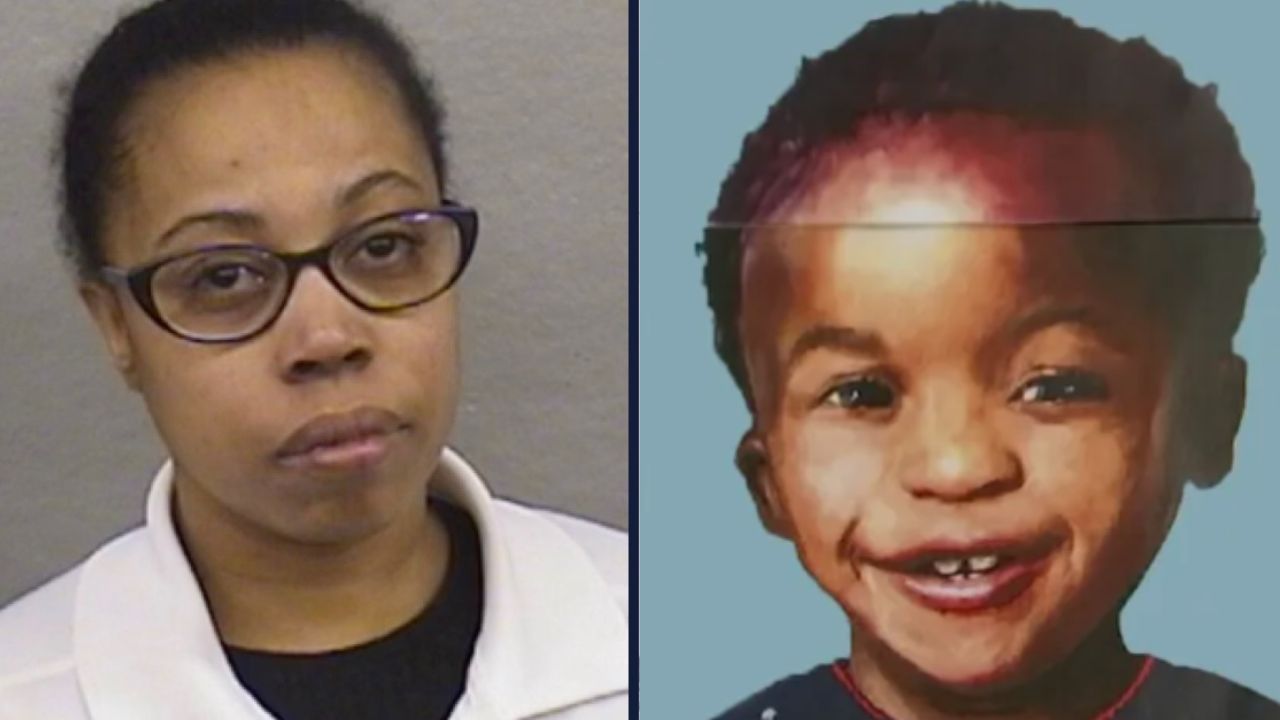
Melody Townsend, the Illinois mother at the center of a deeply troubling case involving deceit and the tragic death of her 1-year-old daughter Ana Marie Townsend, has managed to avoid prison time. Despite being found guilty by a jury of concealing a homicidal death and endangering a child under circumstances involving death, Townsend will serve just two years on probation. Cook County Judge Tiana S. Blakely's decision to impose such a lenient sentence has shocked many, as it raises unsettling questions about accountability when justice is sought for Black children. The decision shows the ongoing struggle to ensure that the justice system treats the lives of Black children with the seriousness and urgency they deserve.
The tragedy that unfolded in 2017 in Markham, Illinois, is a haunting reminder of systemic failures. Ana Marie Townsend's lifeless body was discovered following a suspicious fire, hidden in the attic of a vacant home, stuffed in a plastic bag and wrapped in a blanket. For years, she remained unidentified, known only as 'Baby Jane Doe', a symbol of the anonymity that too often shrouds victims of color. Authorities later determined that Ana Marie had been physically abused, killed before the fire, and had toxic substances in her system, indicating a life of unimaginable suffering. Yet, despite these horrific details, the person responsible for her murder remains unknown, leaving her family and community in a state of enduring anguish and unanswered questions.
This week, Melody Townsend was sentenced to probation rather than prison, despite the serious charges she faced, concealing her daughter's homicide and placing her in harm's way. The conditions of her sentence include mandatory mental health evaluations, participation in domestic violence counseling, and DNA indexing. However, for many, this sentence is seen as an inadequate response to the severity of her offenses, sparking outrage and concern over the kind of justice being served in cases involving Black children. Outside the courthouse, activists gathered to demand an explanation for this seemingly lenient decision and to call for a renewed focus on the investigation into Ana Marie's tragic death, urging authorities to ensure that her case is not forgotten.
The case's disturbing details include a bizarre and calculated ruse to deceive family members into believing Ana Marie was still alive. Reports suggest that Townsend, alongside Ana Marie's father, resorted to playing 'fake baby cries from the internet' during phone calls with Ana Marie's grandparents, attempting to mask the grim reality of their granddaughter's fate. Despite the grandparents' growing suspicion, the deceit persisted, with Townsend insisting that Ana Marie was merely unwell, explaining the different sound of her cries. This cover-up, an act of desperation and denial, was emblematic of deeper systemic failings, as it took years for the truth to unravel, highlighting the gaps in the investigation and the need for more robust protective measures for vulnerable children.
As we consider the role of the justice system, it is essential to reflect on the broader patterns of neglect and injustice that many Black families endure. Townsend's case is not an isolated incident but part of a larger, troubling trend where the lives of Black children are frequently undervalued. This reluctance by the justice system to hold individuals accountable is a stark reflection of a wider indifference to the safety and well-being of Black children. It is imperative that we not only demand fair and just legal outcomes but also advocate for systemic changes that can prevent such tragedies from occurring in the first place, ensuring that all children, regardless of race, are protected and valued.
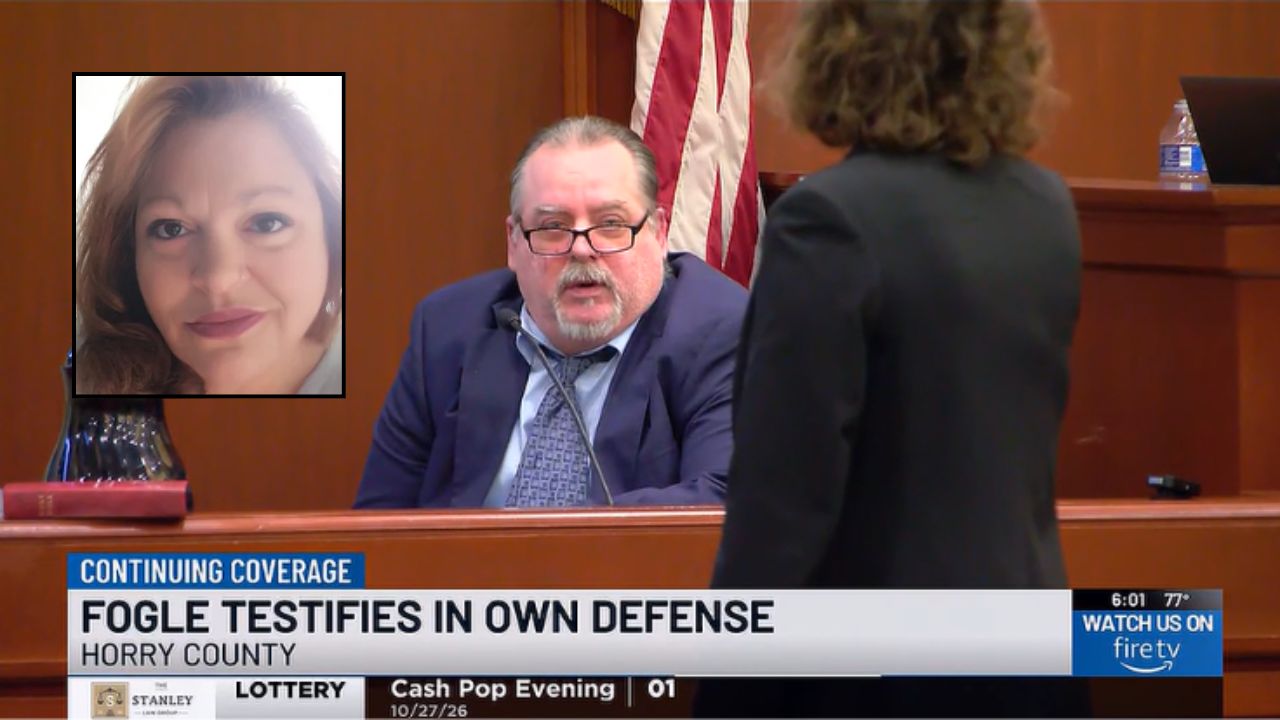
Historically, cases involving Black victims have encountered numerous barriers, from misidentification to a lack of media attention and inadequate investigative efforts. Ana Marie Townsend's story echoes these past injustices, reminiscent of the unresolved murder of Tamla Horsford in 2018, where allegations of racial bias were said to have interfered with the pursuit of justice. Similarly, the case of Sheridan Dirk Fogle's hidden crime revealed systemic failures that perpetuate these injustices. These patterns demand a rigorous challenge to the systems perpetuating these failures, calling for a comprehensive overhaul to ensure that every case, regardless of the victim's race, receives the attention and resources necessary for justice to be served.
Ana Marie's case is not just a story of personal tragedy; it is a wake-up call.
The justice system's reluctance to hold individuals accountable mirrors a larger indifference to Black children's safety.
For those involved, the avoidance of harsher penalties in Townsend's case can inadvertently send a damaging message that crimes against Black children are not treated with the severity they warrant. This perception reflects a societal undervaluing of Black children's lives and shows the urgent need for transformation within the judicial system. Each time justice falters, the community's heart breaks anew, as every failure serves as a poignant reminder of the ongoing work required to rectify systemic inequities. The community's resilience and determination to seek justice must be met with concrete actions that reflect a commitment to protecting and valuing the lives of all children, regardless of race.
For the justice system, Townsend's light sentence is a glaring example of the broader issues of accountability and disparity that plague cases involving Black victims. The absence of a conviction for Ana Marie's actual murder shows a chilling reality of how such cases are approached. This apparent apathy calls for a thorough reevaluation of investigative procedures and priorities, ensuring that equity and diligence are hallmarks of every investigation involving our youth. The system must confront its biases and shortcomings, committing to reforms that prioritize the lives and safety of Black children, ensuring that justice is not just an ideal but a tangible reality for all.
For the audience, this case is emblematic of the systemic issues that permeate the community, challenging our understanding of what justice truly means and who it serves. This is about more than just Townsend; it's about a judicial system that too often sidelines Black voices in their pursuit of justice. As we witness Black athletes and other prominent figures challenging systemic barriers, Ana Marie's case serves as a stark reminder of our collective responsibility to demand reform. It shows the need for a justice system that listens to and acts upon the cries for justice from Black communities, ensuring that every voice is heard and valued.
Advertisement
The underlying racial dynamics in this case are undeniable and deeply troubling. Ana Marie's unsolved murder raises critical questions about the resources allocated to cases involving Black victims. This inequity in attention and resources is rooted in systemic racism, affecting the speed and thoroughness with which cases are pursued. There is an urgent need to address and bridge these gaps, ensuring that all victims receive the justice they deserve, regardless of race. The pursuit of justice must be equitable and unwavering, acknowledging and rectifying the historical and ongoing disparities that have long plagued the justice system.
Looking forward, the quest for justice for Ana Marie Townsend must remain unwavering. Her story should serve as a catalyst for systemic reforms and energize community efforts to protect vulnerable children. The call for justice is not merely a demand for accountability but a plea for systemic change that recognizes and values every life. As we prioritize these cases, we must ensure that the closing chapter is one of transformation and progress, rather than mere closure. The fight for justice is a continuous journey, requiring persistent advocacy and action to create a system that truly serves and protects all children.