Jaylen Brown Trade: Who Wins From the Tatum Beef?
By Malik Carter, PowerVault Staff Jaylen Brown’s reported trade to the 76ers puts his relationship with Jayson Tatum on sale before either player explains it. The supplied account describes Boston sending Brown to Phi...
Advertisement

By Malik Carter, PowerVault Staff
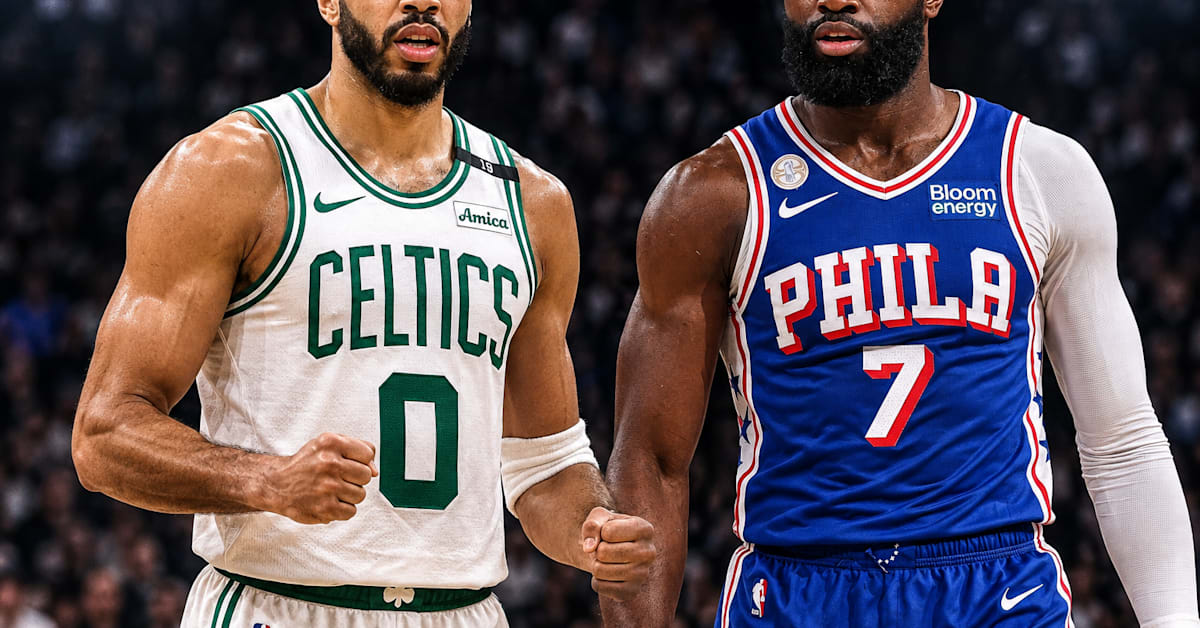
Jaylen Brown’s reported trade to the 76ers puts his relationship with Jayson Tatum on sale before either player explains it. The supplied account describes Boston sending Brown to Philadelphia, then packages their first meeting as a showdown between former partners. That framing promises easy television. It also skips the people who actually made the transaction. Brown reportedly carried a career season while Tatum rehabilitated a ruptured Achilles, making management’s subsequent choice worth examining. Before anybody turns a missed handshake into evidence, the harder question belongs upstairs: Why does a franchise’s decision become a referendum on two Black men’s ability to respect each other? The rivalry deserves scrutiny. So does the sales pitch.
The supplied source report says Boston received Paul George, two first round picks and two second round picks for Brown. It also describes LeBron James joining Philadelphia and Mike Gansey replacing Daryl Morey as general manager. Morey’s reported firing came in May, putting this aggressive roster overhaul on a new executive’s record almost immediately. The outlet, publication date and original article URL were not provided, and those developments are not independently verified here. That distinction matters because the proposed matchup rests on major personnel changes, not ordinary speculation about locker room chemistry. The analysis that follows concerns the scenario presented in that account. Its central weakness is already visible: A transaction involving executives and draft capital gets marketed through an alleged personal feud.
According to that account, Philadelphia first erased a three games to one playoff deficit against Boston in May. The deciding loss came at TD Garden, ending a series the Celtics were favored to win. It reportedly marked Philadelphia’s first postseason series victory over Boston since 1982. Brown then criticized officiating and flopping during a Twitch stream, with Joel Embiid among his targets. He suggested earlier criticism of referees had affected his whistle. The report says the NBA fined him $50,000. Those are separate matters: losing a series, criticizing an opponent and accusing officials of treating a player differently. Combining them into a single character judgment makes better entertainment than analysis. The supplied material places an accompanying video below that dispute.
That video reference supplies no additional verified transcript here, so it cannot establish Brown’s motives or his relationship with Tatum. The actual statement provided offers firmer ground. “I'm big on respect and actions speak louder than words,” Brown said in a statement released the day after the reported trade. That expresses disappointment. It does not identify Tatum as an enemy, prove that teammates stopped communicating or explain Boston’s thinking. Respect could mean advance notice, honest conversations or recognition of years invested. The statement leaves the grievance open; responsible coverage should not quietly fill in Tatum’s name. Reporting should preserve those possibilities rather than choose the interpretation most likely to produce a shouting segment. A wounded employee is not automatically a feuding teammate.
The Philadelphia side of the account carries its own pressure. Gansey’s reported move would put Brown alongside Embiid and Tyrese Maxey, with James pursuing a fifth championship during his 24th season. That collection would demand more than impressive introductions. Brown would need meaningful offensive responsibility, Embiid would need workable spacing, and Maxey would need room to attack. James would bring expectations that swallow ordinary adjustment periods. A new executive can win the introductory press conference and still face difficult questions about whose strengths the offense actually prioritizes. None of those questions disappears because two former Celtics share a television graphic. The basketball stakes are substantial without inventing private hostility. The source pairs this expanded rivalry with a second accompanying video below.
That second video reference does not replace the historical record, which already gives Boston and Philadelphia enough friction. Their 1983 preseason meeting included three separate fights. Julius Erving and Larry Bird fought in 1984, after an offensive foul and Bird’s trash talk. Those episodes explain the rivalry’s reputation without proving anything about Brown and Tatum. A more useful comparison comes from Boston’s 2013 trade of Paul Pierce and Kevin Garnett to Brooklyn. Familiar faces became assets when management chose another direction. The distinction matters because institutional loyalty often expires precisely when an executive believes a different roster offers a better return. Brown also won the 2024 Finals MVP award beside Tatum. That achievement belongs in any serious discussion of their partnership. Winning together does not guarantee lifetime employment, but it complicates the claim that their shared story was always broken.
The cheapest version of this rivalry asks players to answer for decisions made above them.
A player can earn generational wealth and still have somebody else sell the meaning of his career.
Brown deserves room to be angry without having that anger assigned a convenient target. A trade can unsettle family routines, professional identity and the trust built inside a workplace. Money cushions those disruptions. It does not make them imaginary. Tatum, meanwhile, should not have to perform public grief to prove loyalty to a former teammate. Neither man owes viewers a friendship ceremony before competing. They can value what they built together, dislike how it ended and still decide that some conversations belong outside the reach of a microphone. The fair standard is conduct: what they say, how they play and whether they treat each other professionally. Anything beyond that needs evidence. Demanding emotional access from athletes while denying them emotional complexity is a bargain no ordinary worker would accept willingly.
The industry argument starts with who gets named. Brown and Tatum would dominate the promotion, but Boston’s executives would have authorized the deal. Their reasoning should receive equal attention. What did George’s contract mean for the balance sheet? How did the picks fit Boston’s plans? What basketball problem was management trying to solve? Four draft selections represent future options, not proof of wisdom; their value depends on when they arrive, where they land and what Boston eventually does with them. The supplied account does not provide those answers. Calling the move necessary without them would be public relations, not scrutiny. PVN’s examination of what Gui Santos’ $15 million deal rewards points toward the useful question: What does an organization actually value? Follow the contracts before diagnosing the chemistry.
Fans have agency here, too. Enjoying a rivalry does not require treating every expression as sworn testimony. A hard foul can be a hard foul. An aggressive scoring night can reflect preparation rather than revenge. Black audiences especially know how quickly confidence gets recast as arrogance when somebody needs a villain. There is no reason to help that machinery for free. A clipped reaction travels faster than an explanation of defensive coverage, but speed does not make it a more revealing account of competition. The useful discussion concerns whether Brown gets the touches his skills deserve and whether Tatum’s team can defend him. The same scrutiny of institutional power informs PVN’s coverage of Skylar Diggins and college coaching authority. Personality coverage should not erase the people setting the terms.
Race sits underneath the loyalty test, especially in a league whose Black stars create enormous value for organizations they do not control. Boston also carries the history Bill Russell confronted, including racist abuse despite his championship achievements. That history does not establish anyone’s motive in a present transaction. It does explain why belonging and respect deserve more than a dismissive response about salary. A player can earn generational wealth and still have somebody else sell the meaning of his career. His compensation pays for elite labor; it does not purchase his agreement with every decision made about him. Owners receive credit for making difficult business decisions. Players often receive lectures about gratitude when those decisions hurt. Fair coverage should challenge that imbalance without pretending every transaction has the same cause.
Advertisement
The next step is verification before promotion: establish the transaction, the rosters and the actual game date. If the supplied scenario is confirmed, watch the possessions before reading the body language. Track who initiates Philadelphia’s offense, how Boston guards Brown and what responsibility Tatum carries against his former teammate. Those details reveal the consequences of the trade more clearly than a handshake. Ask both front offices to explain their choices with the same persistence directed at the players’ feelings. A genuine rivalry can survive honest questions. It might even become better basketball coverage because of them. Brown and Tatum can compete fiercely without supplying a personal feud for everybody else to monetize.
More from PowerVault Network: