NBA's Mounting Injury Crisis: What It Means for Black Athletes
By Andre Coleman, PowerVault Staff Ja Morant's recent sidelining due to a G2 left hamstring strain highlights a growing concern in the NBA: the injury epidemic hitting players hard this 2026-27 season. It's not just a...
Advertisement

By Andre Coleman, PowerVault Staff
Ja Morant's recent sidelining due to a G2 left hamstring strain highlights a growing concern in the NBA: the injury epidemic hitting players hard this 2026-27 season. It's not just a few key players feeling the strain; it's a league-wide crisis. Not even ten games into the season, the NBA finds itself in a precarious position with 85 players out due to injuries, accounting for a staggering 15% of its roster. This alarming statistic, highlighted by StatKeeks founder Keerthika Uthayakumar, raises serious questions about the current state of player health and safety. How did we reach such a critical point? The intensity of the game, the demands on athletes' bodies, and perhaps inadequate recovery protocols all contribute to this worrying trend. It's a situation that calls for immediate attention and reassessment of how players are managed throughout the grueling season.
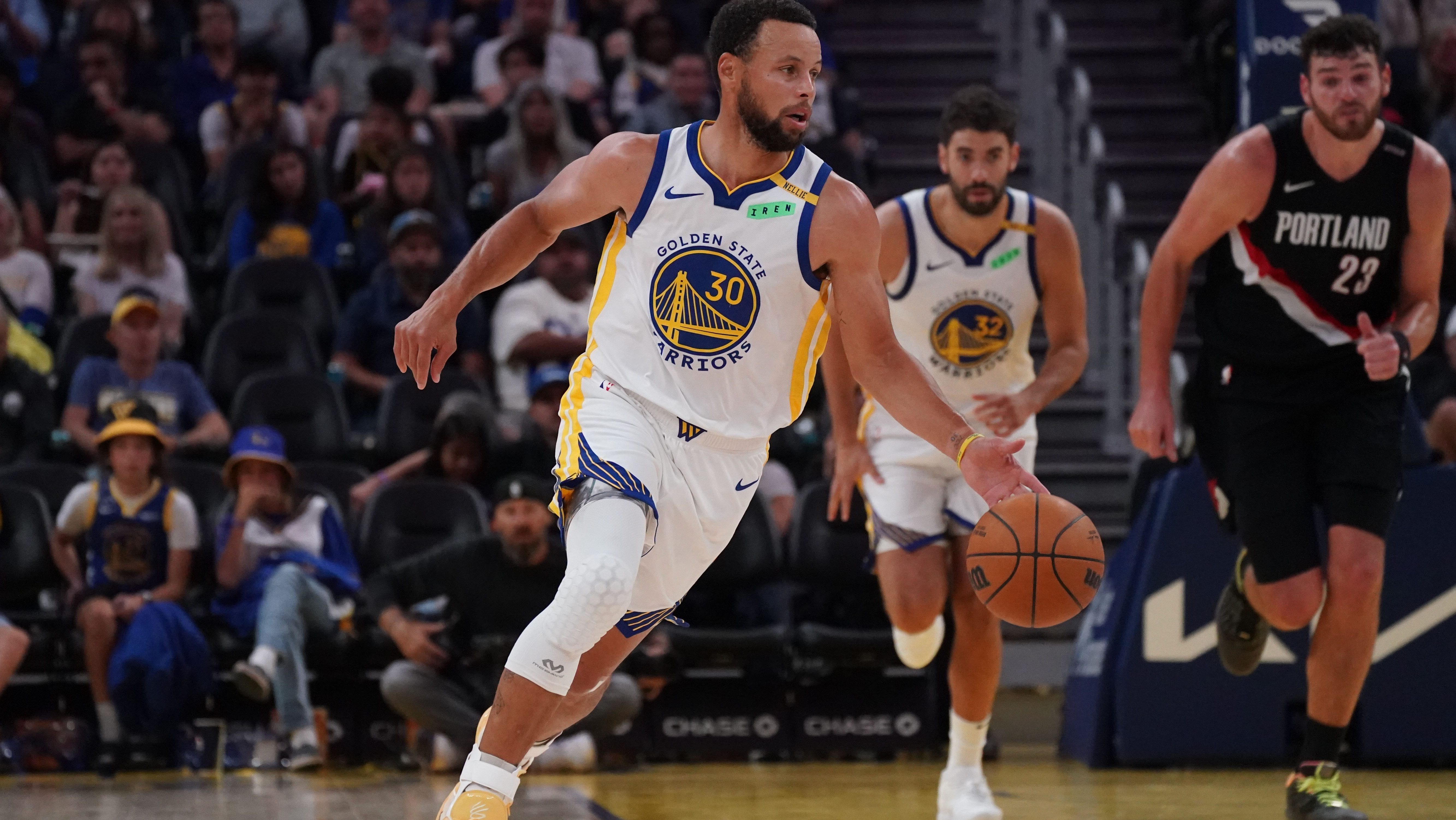
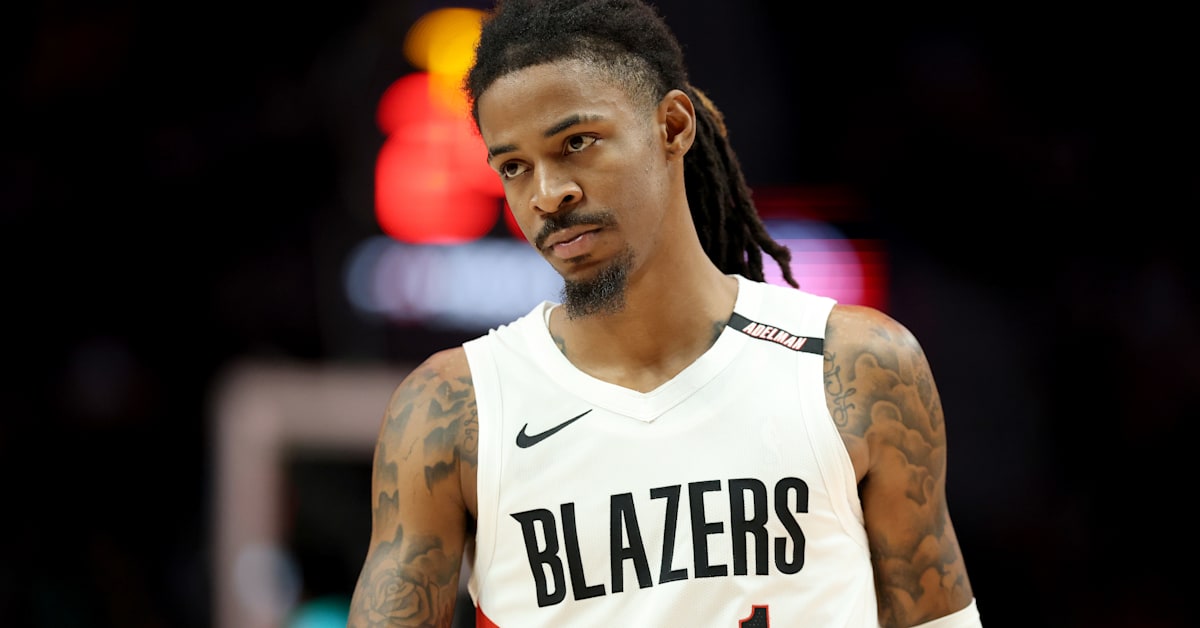
Ja Morant, now with the Portland Trailblazers, isn't alone in his plight. The injury list this season reads like a who's who of NBA talent. Fellow stars Anthony Edwards, Tyrese Haliburton, and Kawhi Leonard also face extended time off the court due to various ailments. This confluence of injuries among top-tier players has not only impacted team performances but also diluted the overall quality of the league's competitive scene. The source, Complex, emphasizes that this wave of injuries has become too significant to ignore, reflecting broader issues within the league's physical demands. The rigorous schedule, which pushes players to their limits, is becoming untenable. As these athletes nurse their injuries, each absence sends a ripple effect through their respective teams, affecting strategies, ticket sales, and fan engagement. The conversation around player wellness is more urgent than ever.
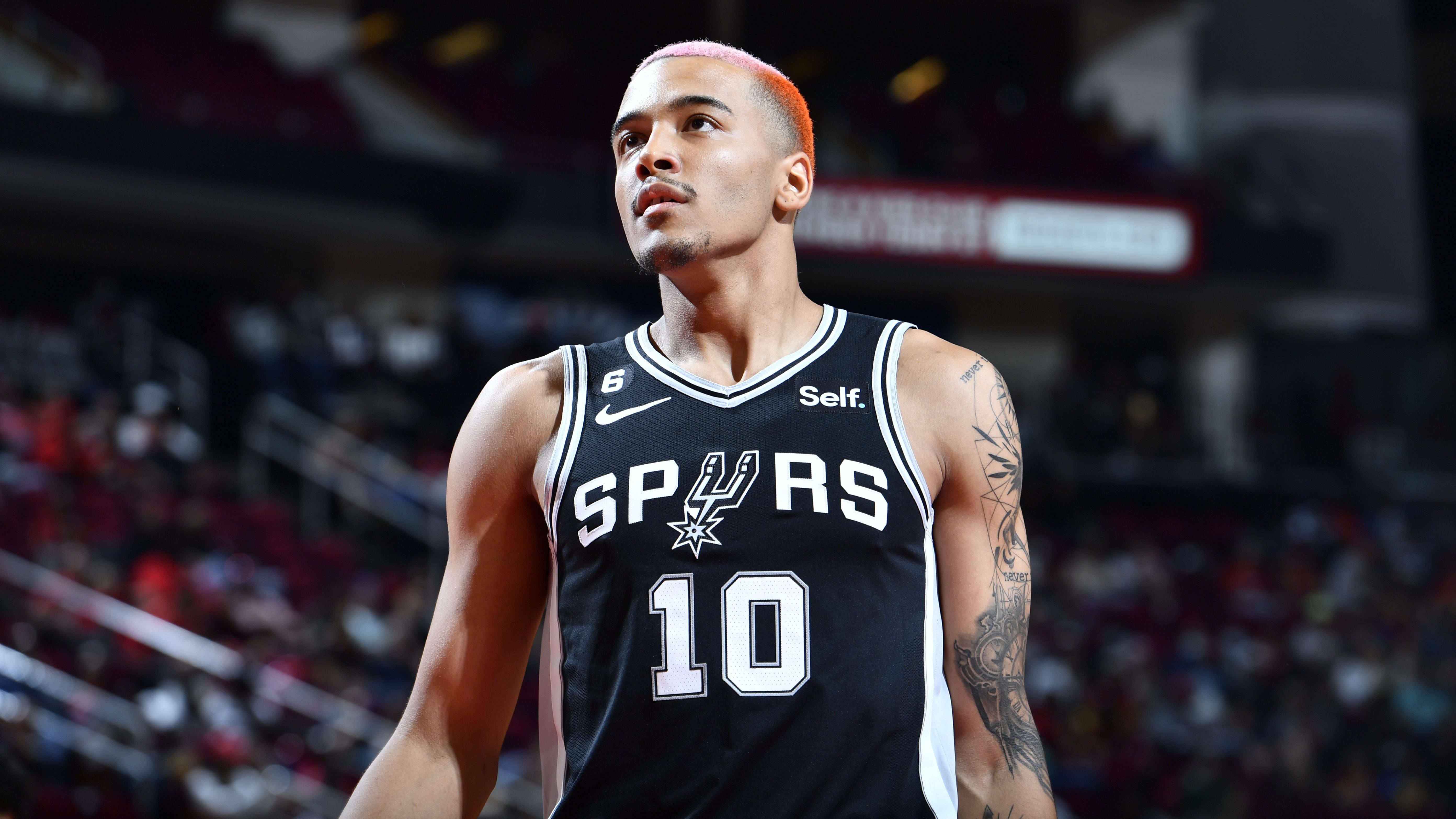
Chet Holmgren, a towering presence for the Thunder, has suffered yet another setback with a tear in his patellar tendon. This injury adds to an already troubling pattern for Holmgren, who has missed nearly half of the potential regular season games since his draft. His ongoing health battles highlight the precarious nature of athletic careers, where potential can be derailed by persistent injuries. Holmgren's situation isn't unique; players like Kristaps Porzingis face similar challenges, with Porzingis dealing with symptoms of POTS, an autoimmune condition that complicates his ability to play consistently. These health issues lead to financial and career uncertainties, forcing players to handle a scene where their physical well-being is in constant jeopardy. The league's approach to managing these injuries is under scrutiny, as it reflects a broader systemic issue that calls for a reevaluation of player health protocols.
The clip that set everything off is below. This moment, captured in detail and replayed across countless platforms, became a catalyst for an intense debate about the NBA's handling of player health and safety. It's not just another highlight reel but a visual testament to the physical toll the sport exacts on its athletes. Fans and analysts alike dissect each frame, looking for signs that could have predicted the injury, while sports pundits discuss the implications for the league. This footage, more than just a record of an unfortunate event, serves as a rallying cry for change. It forces stakeholders to confront the uncomfortable truth about the demands placed on players' bodies and the need for a comprehensive strategy to prevent such incidents in the future. The urgency for reform has never been more apparent as this clip continues to circulate, sparking conversations about the league's responsibilities.
Porzingis's case, particularly, shows the financial and emotional strain athletes endure. With the Warriors halting his $20 million salary payments due to his inability to play, the economic repercussions loom large, affecting not just his immediate financial situation but also his long-term career prospects. This harsh reality presents players with an unyielding choice: play through pain or risk losing financial stability. The NBA's structure, favoring short-term gains over long-term health, is glaringly apparent in such situations. Porzingis finds himself at a crossroads, contemplating retirement as he navigates this challenging phase. The league's policies around player compensation during injury periods are under scrutiny, highlighting a need for more equitable solutions that consider athletes' health over mere profitability. This scenario is a stark reminder of the precarious balance athletes must maintain between their well-being and the financial imperatives of a billion-dollar industry.
Ja Morant's decision to change his look by cutting off his signature locs during his injury downtime might seem trivial to some. However, it symbolizes a moment of introspection and reinvention amidst turmoil, a narrative familiar to many Black athletes who constantly reshape their identities in the face of adversity. For Morant, this act is more than a simple haircut; it's a statement of resilience and personal transformation during a challenging period. The pressures Black athletes face in predominantly white sports structures are immense, often demanding a continual negotiation of identity and self-presentation. Morant's decision echoes the broader conversation around these pressures, as Black athletes must handle a scene that scrutinizes not just their performance but their very personhood. This reinvention is a powerful reminder of the inner strength required to thrive in a system that often values them more as commodities than as individuals.
Basketball's physical demands aren't new, but the rising number of injuries demands a reevaluation of player welfare. The parallels to past seasons marred by similar issues are stark. In 2017, a similar wave of injuries prompted discussions on reducing back-to-back games and managing player workload, yet here we are again.
The NBA's grind isn't just physical, it's a mental battle against a system that demands perfection without providing the safety net.
It's easy to blame the grueling schedule, but the issue runs deeper. The NBA's grind isn't just physical; it's a mental battle against a system that demands perfection without providing the safety net necessary for holistic well-being. The league's relentless pace, with its back-to-back games and intense travel schedules, pushes athletes to their limits, both physically and mentally. The pressure to perform, especially for Black athletes, is amplified by a league that capitalizes on their talents while often sidelining their well-being. The mental health of these players is frequently overlooked, as they are expected to show unwavering strength and resilience. This expectation can lead to burnout and a sense of isolation, as athletes struggle to cope with the demands placed upon them. Addressing this issue requires a shift in how the league prioritizes player health, not just in terms of physical recovery but mental and emotional support as well.
What does this mean for the industry? For one, it's a call to action for the NBA to prioritize player health over profit. The disparity between the league's relentless commercialism and its duty of care is a growing chasm that needs addressing. The voices calling for systemic change are getting louder, echoing the demands for social justice heard across other domains. This situation presents the NBA with an opportunity to lead by example, setting a standard for how major sports leagues can balance business interests with ethical responsibilities. The league must recognize that its greatest asset is not the games played or the merchandise sold, but the athletes themselves. By investing in comprehensive health and wellness programs, the NBA can ensure a sustainable future where players are not just surviving the season but thriving in their careers and personal lives. This shift is essential to maintaining the league's integrity and legacy.
For the community, it's a stark reminder of the exploitation within the sports industry. Many Black athletes emerge as beacons of hope, only to face the stark realities of a business-driven machine. This cycle of injury shows the importance of supporting these athletes beyond their on-court prowess, emphasizing mental health and financial literacy. The industry's focus on short-term gains often leaves players vulnerable to long-term consequences, both financially and personally. As these young men and women strive for success, they must be equipped with the tools to handle the complexities of their professional and personal lives. By fostering an environment that values their holistic well-being, the sports community can ensure that athletes are not merely cogs in a machine but empowered individuals capable of achieving greatness beyond the game. This support is crucial in dismantling the systemic barriers that have historically marginalized Black athletes.
Underneath the surface, the racial dynamics play out subtly yet powerfully. Historically, Black athletes have been expected to be resilient, often at the cost of their health. The narrative of overcoming adversity is romanticized, yet it's time to dismantle this expectation and demand better support systems. This societal narrative places an unfair burden on Black athletes, who are often celebrated for their ability to endure hardships without adequate recognition of the systemic challenges they face. It's a narrative that overlooks the need for structural changes within sports organizations to provide meaningful support. The time has come to challenge these outdated perceptions and advocate for systemic reforms that prioritize the health and well-being of athletes of all backgrounds. By acknowledging and addressing these racial dynamics, the sports industry can move toward a more equitable and inclusive future.
The NBA is at a crossroads. As players like Morant and Holmgren work toward recovery, the league must address the root causes of this injury surge. Fans and stakeholders alike need to push for reforms that prioritize athlete well-being, creating a sustainable future for the sport. It's a call to rethink how we view, value, and support our athletes, especially those who bear the weight of systemic pressures. The league's future success depends on its ability to adapt and evolve, recognizing that its athletes are not just performers but partners in the enterprise. By fostering a culture of care and accountability, the NBA can ensure that its players are not just surviving the demands of the season but thriving in their careers and personal lives. This shift is essential for maintaining the league's integrity and legacy, ensuring that it remains a beacon of excellence and innovation in the sports world.
Advertisement
The road ahead demands vigilance and advocacy from fans, players, and league officials. As we watch this season unfold, it's crucial to remember that the game's impact transcends the court. It's about human lives, often marginalized, striving for excellence amidst systemic challenges. The conversation continues, and so must the push for change.
More from PowerVault Network: