Kedreyon Williams: What Three Life Sentences Leave Open
By Renee Fontaine, PowerVault Staff Kedreyon K. Williams received three consecutive life sentences and an order for chemical castration after convictions for sexually abusing children. The former Louisiana police offi...
Advertisement

By Renee Fontaine, PowerVault Staff
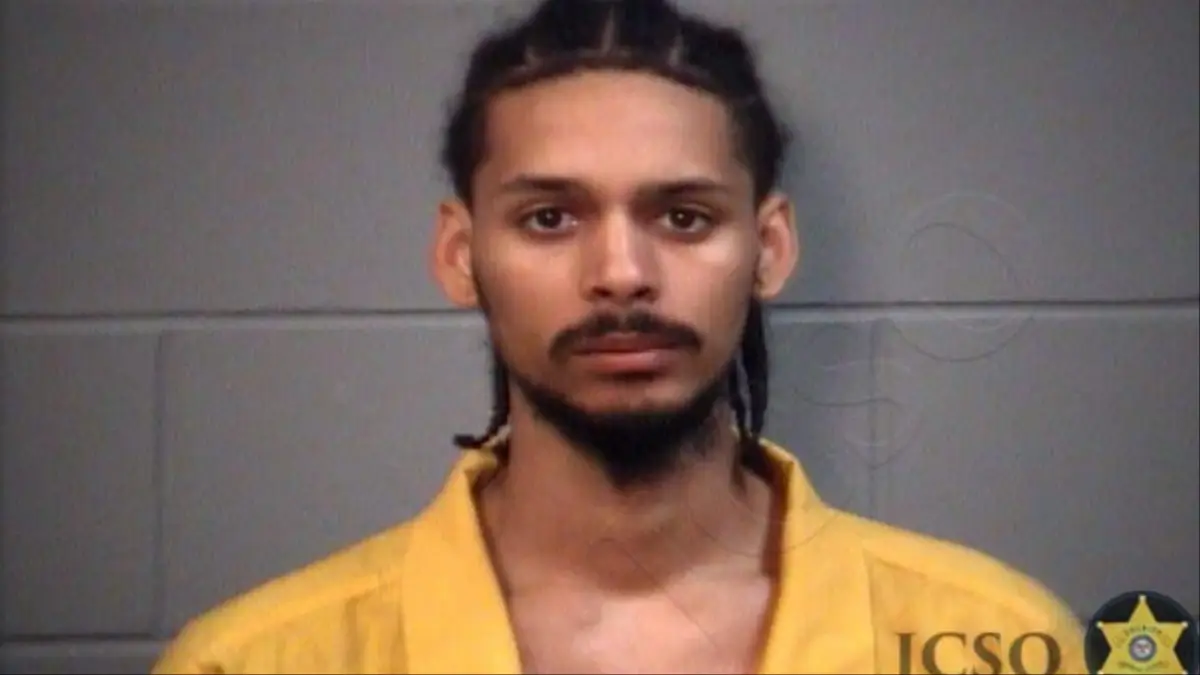
Kedreyon K. Williams received three consecutive life sentences and an order for chemical castration after convictions for sexually abusing children. The former Louisiana police officer’s punishment is severe. The public accounting should not stop at the sentence.
Williams, 31, served with the New Roads Police Department and volunteered as a firefighter. According to the 18th Judicial District Attorney’s Office, his convictions included three counts of first degree rape, indecent behavior with a juvenile, and possessing child pornography. The children were ages 8 to 11.
District Attorney Tony Clayton said the jury convicted Williams on October 18 after 39 minutes of deliberation. District Judge Kevin Kimball imposed the sentences and ordered chemical castration, which prosecutors requested. Those findings, not reactions to them, are the standard against which readers should assess the post below.
Social commentary cannot establish what evidence jurors reviewed or explain how investigators built the case. The supplied reporting gives the verdict and deliberation time, but not a trial transcript. A short deliberation does not tell readers how thoroughly police investigated every location or possible institutional failure.
Prosecutors identified several locations where Williams abused children, including fire stations where he volunteered, his workplace, and his home. That detail deserves attention beyond its shock value. The reporting does not explain who controlled access or what safeguards existed. Keep those unanswered questions in view when watching the video below.
Video coverage cannot substitute for access logs, witness interviews, or the court record. Naming a location does not prove that another employee witnessed abuse or ignored a complaint. It does establish a concrete reporting question: how did Williams gain access to children at those places?
Kimball described the abuse as the “worst case” he had encountered in his career, according to the supplied reporting. Clayton emphasized punishment. “The castration is another layer of punishment for these horrendous crimes,” he said in a statement reported by WAFB. Neither statement answers how the abuse became possible.
A badge should never function as a character witness.
PVN’s position is straightforward: a public service title must invite scrutiny, not discourage it. A badge should never function as a character witness. Williams held roles associated with protection and emergency response. That makes oversight a legitimate subject of investigation, even without evidence that his employers knew about his crimes.
The distinction matters because accountability can fail in two directions. Institutions can escape examination when coverage treats a conviction as the final answer. Innocent colleagues can also face suspicion when coverage implies knowledge it cannot prove. That is the evidentiary standard readers should carry into the video below.
Whatever a video emphasizes, the unanswered institutional questions still require documents and attributable testimony. Who supervised access to the fire stations? Were there policies governing children’s presence? Did anyone receive a concern about Williams? These are questions for further reporting, not claims that warnings existed or that someone buried them.
For the children and their families, punishment should not come with an obligation to perform relief in public. Clayton said he hoped the families would find comfort in the outcome. That is his hope, not their testimony. The supplied account contains no family interviews establishing how they understand the sentence.
Respecting that absence means refusing to fill it with imagined reactions. Readers do not need the children’s names, identifying details, or descriptions of the abuse to understand the convictions. The boundary between public interest and unwanted exposure also informs PVN’s coverage of Cardi B’s accusations of harassment targeting her children. The circumstances differ; children’s privacy still matters.
Black readers deserve reporting that examines authority without assigning identities the evidence does not establish. The supplied account does not identify the children’s race. Their suffering should not be recruited into an unsupported racial claim. The community interest here is concrete: public trust must come with enforceable boundaries, especially where children are concerned.
The chemical castration order also demands precise language. The reporting establishes that Kimball ordered it, not that it has been carried out. It does not provide implementation details, medical records, or an appeal status. A responsible account cannot turn a sentencing announcement into a completed procedure or declare the legal process finished.
Public officials can announce punishment. They cannot set a family’s recovery schedule. PVN has examined the pressure to move on after loss in different circumstances. Here, too, audiences should resist treating a major public development as permission to decide what affected people should feel next.
Advertisement
The next reporting should follow records rather than repeat the strongest quote from sentencing. The written judgment, available trial records, and relevant workplace policies could clarify what this account leaves unresolved. Any appeal should be reported separately from the conviction and sentence. Williams has been sentenced; the institutions connected to his access still deserve examination.
More from PowerVault Network: