Alabama Prison Sergeants: Who Acted on Attack Warning?
By Simone Walker, PowerVault Staff Neicko White, Michael Underwood and Devontay Jackson face charges alleging they ignored advance warning of an Alabama prison gang assault. All three are correctional sergeants at Wil...
Advertisement

By Simone Walker, PowerVault Staff
Neicko White, Michael Underwood and Devontay Jackson face charges alleging they ignored advance warning of an Alabama prison gang assault.
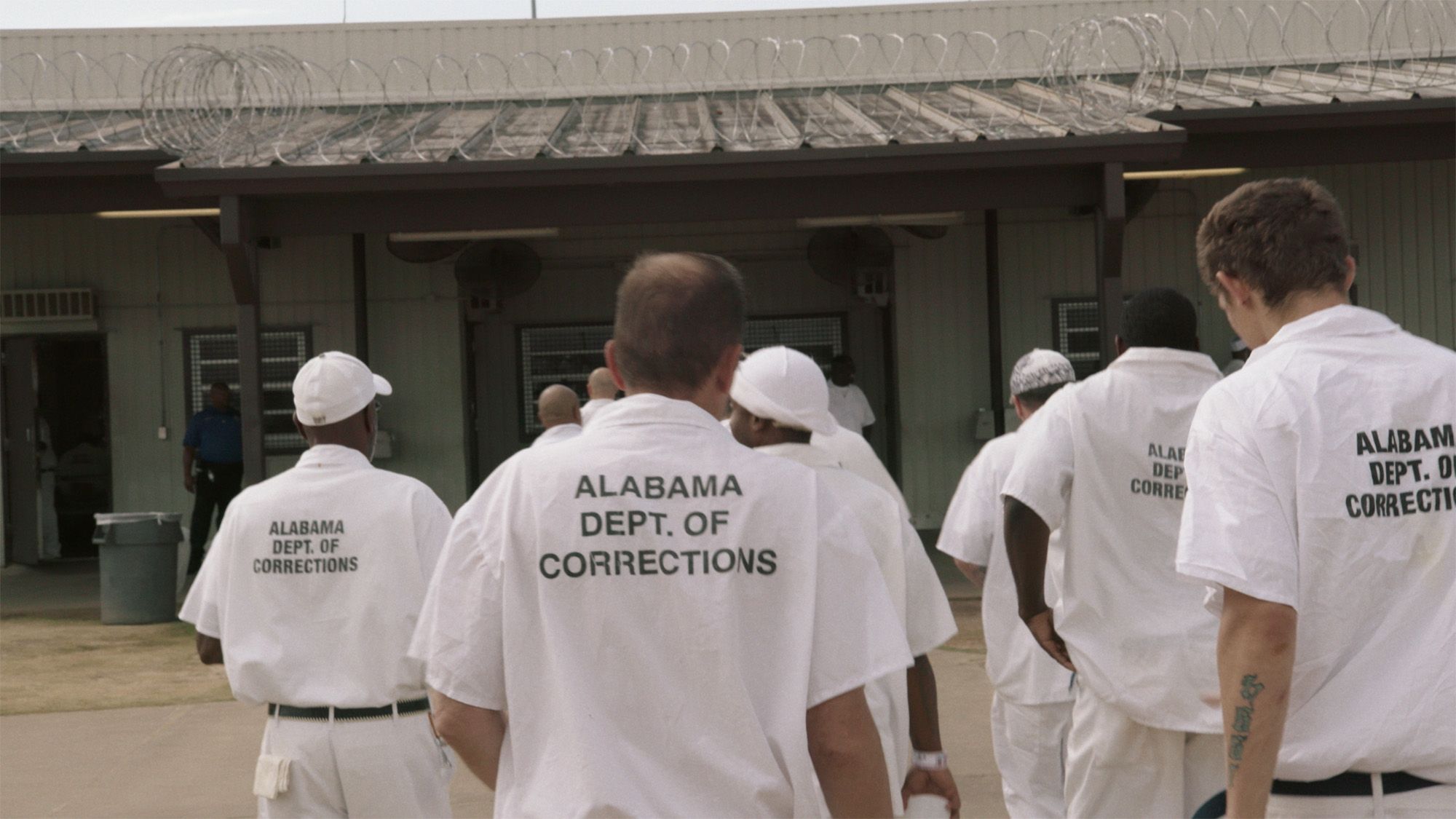
All three are correctional sergeants at William E. Donaldson Correctional Facility, according to the supplied source reporting. Agents with the Alabama Department of Corrections' Law Enforcement Services Division investigated. The Bessemer Division of the Jefferson County District Attorney's Office authorized charges of Failure of Duty. The allegation concerns what officers failed to do before an attack, not an accusation that they carried it out.
Court records cited in that reporting allege the sergeants knew beforehand that members of the Bloods gang planned to assault an inmate. The attack occurred October 25, although the source supplies no year. It reports an injury but gives no medical details or current condition. An accompanying video appears below; its contents have not been independently verified for this article.
The reported arrests happened Thursday and Friday, without incident. None remained listed as an inmate when the source checked. That absence does not establish how they left custody, whether bond conditions apply or what has happened to the charges.
The legal provision reproduced in the report sets a maximum $1,000 fine upon conviction. It also permits county jail or county hard labor for up to 12 months. Those are possible penalties, not sentences imposed on these defendants. A second accompanying video follows; the legal account here rests on the supplied reporting, not unverified video content.
The central accusation is that the officers failed to take “reasonable action,” according to the court records described in the source. The supplied material contains no defense response, plea or ruling on guilt. Readers following the Christian Claudio threat case should apply the same distinction here: a charge identifies an accusation, not an established finding.
The missing facts matter because advance notice can mean very different things. How specific was the warning? When did each sergeant receive it, and what authority or practical opportunity did each have to respond? Those questions do not excuse inaction. They identify the evidence needed to distinguish a preventable failure from a claim prosecutors cannot prove.
A prison sentence does not cancel the state's responsibility to protect the person serving it.
A prison sentence does not cancel the state's responsibility to protect the person serving it. The injured man's conviction, whatever it was, does not answer whether officers met their duties. PVN's position is straightforward: protection cannot become optional because the person needing it lives behind a locked door. His safety belongs at the center of this case.
The institutional test reaches beyond whether three employees were arrested. An agency investigating its own officers must produce evidence that can withstand scrutiny outside its chain of command. Prosecutorial authorization brings another office into the process, but it does not settle the facts. Accountability requires a record that explains individual decisions, not merely an announcement that charges exist.
For a Black readership, the reporting also demands discipline about race. The supplied account does not identify the injured man's race, and this article cannot responsibly assign him one. The community stake still reaches families who depend on institutions they cannot enter or monitor. No family should have to prove its loved one's social standing before a warning deserves action.
The available penalty deserves scrutiny without pretending a sentence has already been handed down. A maximum $1,000 fine and possible confinement of up to 12 months put a defined ceiling on punishment under the quoted provision. That ceiling should prompt a policy discussion about official responsibility. It should not become a prediction about these defendants' outcomes.
A serious examination would seek warning reports, duty assignments, housing records and any preserved communications. Each could help establish who knew what and when, if those materials exist. Video might show movements without capturing an earlier conversation. A written report might document a warning without establishing whether its recipient understood an attack was imminent.
Preservation matters as much as collection. Investigators should be able to explain where evidence originated, who handled it and whether original records remain available. Those are standards to examine, not evidence of mishandling in this case. The same distinction belongs in coverage of the Kameela Russell murder case: questions about proof cannot substitute for proof.
The investigation should also establish whether anyone else received the warning or had responsibility for responding. Nothing supplied establishes broader misconduct, coordination or a coverup. Still, stopping at three names would be premature if records point elsewhere. Equally, treating every supervisor as implicated would replace investigation with assumption. Follow the documented decisions, wherever they lead.
The injured man remains unnamed in the supplied account. There is no family interview, personal remembrance or statement describing his recovery. That leaves a serious human gap, but it is not permission to invent a biography or pursue private details unrelated to accountability. Reporting can demand answers about protection and treatment without turning someone's injuries into public spectacle.
Advertisement
Next, watch for the charging documents, defense responses, court settings and any supported account of the man's condition. Those developments can clarify both the alleged failures and the limits of the evidence. Arrests begin a public accountability process; they do not complete one. The question worth carrying forward is who acted when protection was still possible.
More from PowerVault Network: