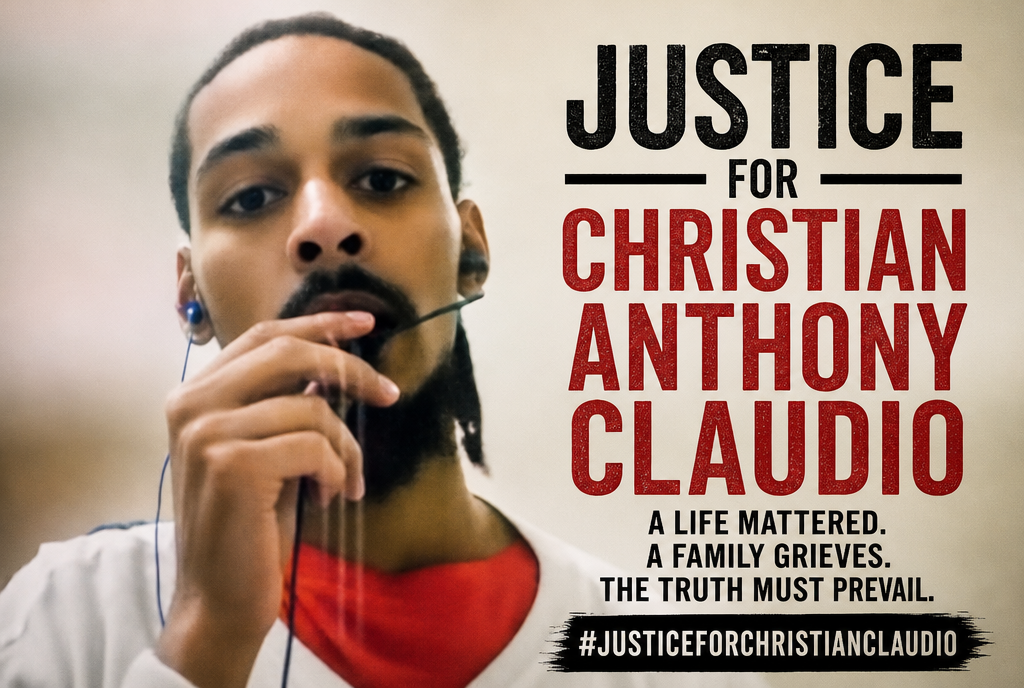
Christian Claudio: What Happened on the Wells Call?
By Marcus Ellison, PowerVault Staff Christian Claudio faces a Mississippi terroristic threats charge over a call about Nolan Wells’ death, but he denies threatening anyone. According to Atlanta Black Star’s reporting,...
Advertisement

By Marcus Ellison, PowerVault Staff
Christian Claudio faces a Mississippi terroristic threats charge over a call about Nolan Wells’ death, but he denies threatening anyone.
According to Atlanta Black Star’s reporting, prosecutors say Claudio called the Jackson County Chancery Court Clerk’s Office on Sept. 25. They allege he asked about Wells, then threatened to travel to Mississippi and kill the clerk answering his call. That alleged threat, not simply his interest in Wells’ death, is the prosecution’s stated basis for the case.
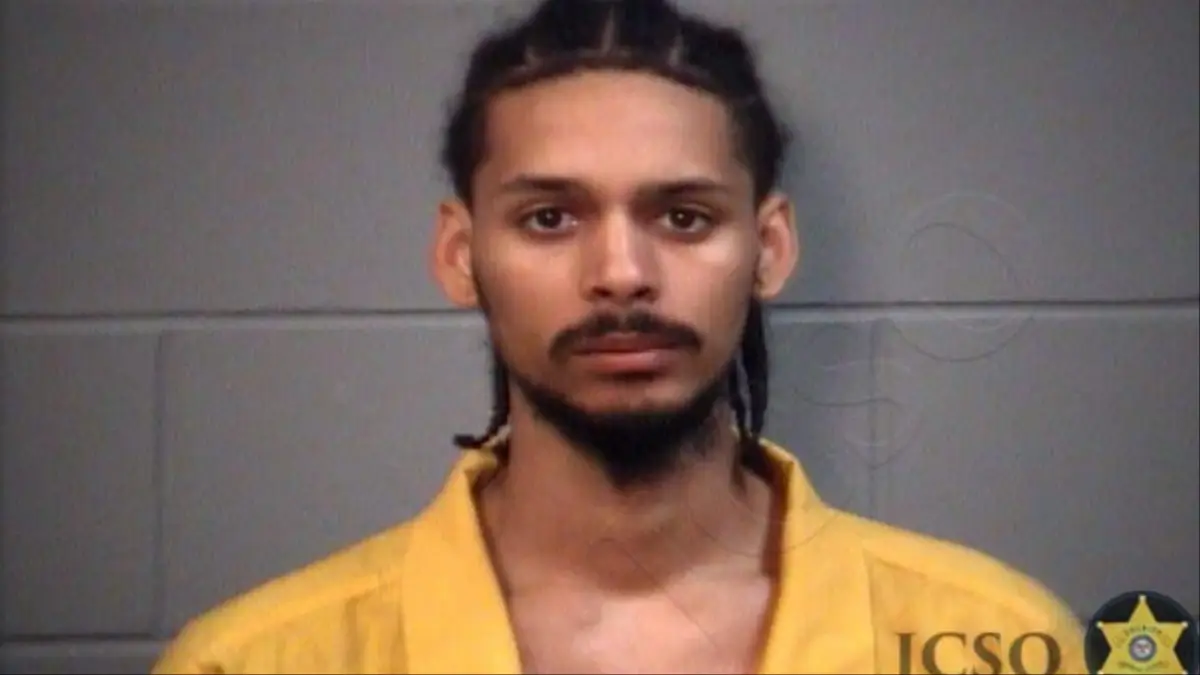
Claudio, 25, was arrested in New York on Oct. 31 and held at Otsego County Jail before his extradition to Mississippi. His sister recorded a video of him disputing the accusation. “I never said anything crazy or malicious. I simply just had questions about Nolan Wells,” he said. That denial is essential context for assessing the accompanying video below.
His statement establishes his position, not his innocence. The same distinction applies to the accusation. Jackson County Sheriff’s Detective Justin Quinnelly filed a criminal affidavit alleging that Claudio threatened the clerk. Judge Mark Watts then authorized an arrest warrant. The supplied reporting does not include the affidavit’s full language or a recording of the call.
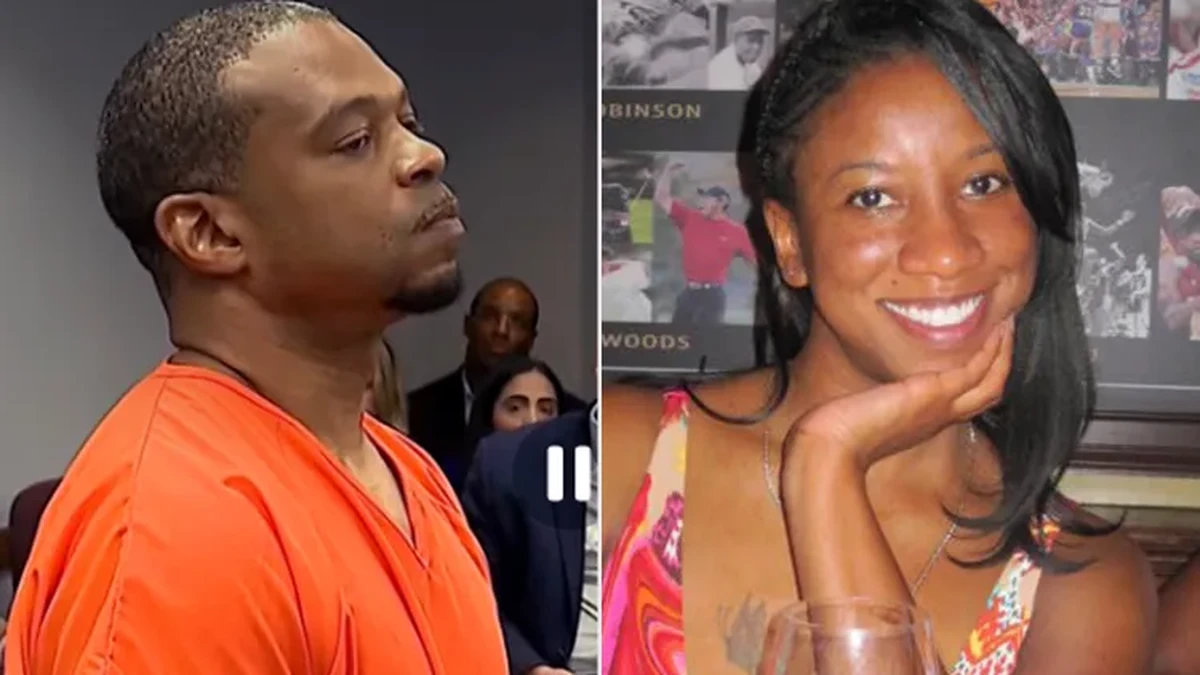
Wells was 18 when he disappeared during a July Fourth trip with friends to Horn Island off Mississippi’s Gulf Coast. Authorities found his body on the island shore two days later. A grand jury declined to bring charges in September, according to reporting on that decision. His death and that decision provide the necessary context for the next accompanying video.
Neither accompanying video should be treated as a substitute for investigative records. The reporting supplied here contains no autopsy findings, witness statements, recovery documentation or explanation of the evidence presented to the grand jury. That leaves a firm boundary around responsible analysis. Public suspicion does not establish foul play, and a decision against charges does not explain every unanswered question.
Claudio appeared before Watts on Nov. 16, when the judge set bond at $50,000. Conditions included GPS monitoring, avoiding further trouble and not using illicit drugs. Those conditions apply pending a preliminary hearing scheduled for February. The reporting says he faces up to 10 years in prison if convicted. No conviction is reported.
The public should not have to choose between a clerk’s safety and a defendant’s right to challenge the accusation.
Two people’s interests must remain visible here. A clerk should not face threats for answering an office phone. Claudio should not be treated as convicted because a detective secured a warrant. The public should not have to choose between a clerk’s safety and a defendant’s right to challenge the accusation.
PVN’s position is that procedural movement cannot stand in for proof. An affidavit, warrant, interstate extradition and bond hearing show that authorities acted on an allegation. They do not settle the disputed words. The central distinction remains the one examined in PVN’s coverage of what the threat case must prove: an accusation must survive examination, not merely travel through several offices.
For Black readers following a teenager’s unexplained death, the contrast can be difficult to accept. Authorities brought no charges over Wells’ death, yet a caller now faces prosecution over an alleged threat connected to it. That contrast deserves scrutiny, but it does not establish selective enforcement or racial motive. Community accountability requires demanding evidence without turning either suspicion or official authority into an automatic verdict.
The first useful question concerns the call itself. Was it recorded, and does a complete recording still exist? If so, investigators should be able to explain how it was preserved and whether the available copy captures the entire conversation. Those questions do not presume mishandling. They identify what could help resolve a dispute about precisely what someone said.
Without a recording, other records become especially important. What did the clerk report, and when was that account documented? What information connected Claudio to the caller? Did Quinnelly hear the conversation or rely on someone else’s account? The supplied reporting does not answer those questions. A proper examination should distinguish firsthand evidence from information passed between people.
Institutional accountability also means naming which office did what. The clerk received the alleged call; Quinnelly filed the affidavit; Watts authorized the warrant and later set bond. Their roles are different. That same attention to responsibility informs PVN’s examination of who acted on an Alabama prison attack warning. Accountability becomes harder when every decision disappears behind the word authorities.
Wells must not become background material in a separate defendant’s story. No family interview or remembrance appears in the supplied reporting, so their views cannot responsibly be filled in. Keeping attention on his death means seeking documented answers, not assigning them feelings or treating his friends’ survival as proof against them.
Advertisement
The February preliminary hearing is the next reported point to watch in Claudio’s case. Any evidence presented there should be measured against the specific allegation, while questions about Wells’ death remain separate and unresolved in this account. Readers should watch for the actual words, the supporting records and the limits of what each establishes. Neither case benefits when certainty arrives before the evidence.
More from PowerVault Network: