Christian Claudio: What the Threat Case Must Prove
By Andre Coleman, PowerVault Staff Christian Claudio’s bond is $50,000 after his Mississippi extradition over alleged threats during calls about Nolan Wells, accusations he denies. The dispute turns on what Claudio ac...
Advertisement

By Andre Coleman, PowerVault Staff
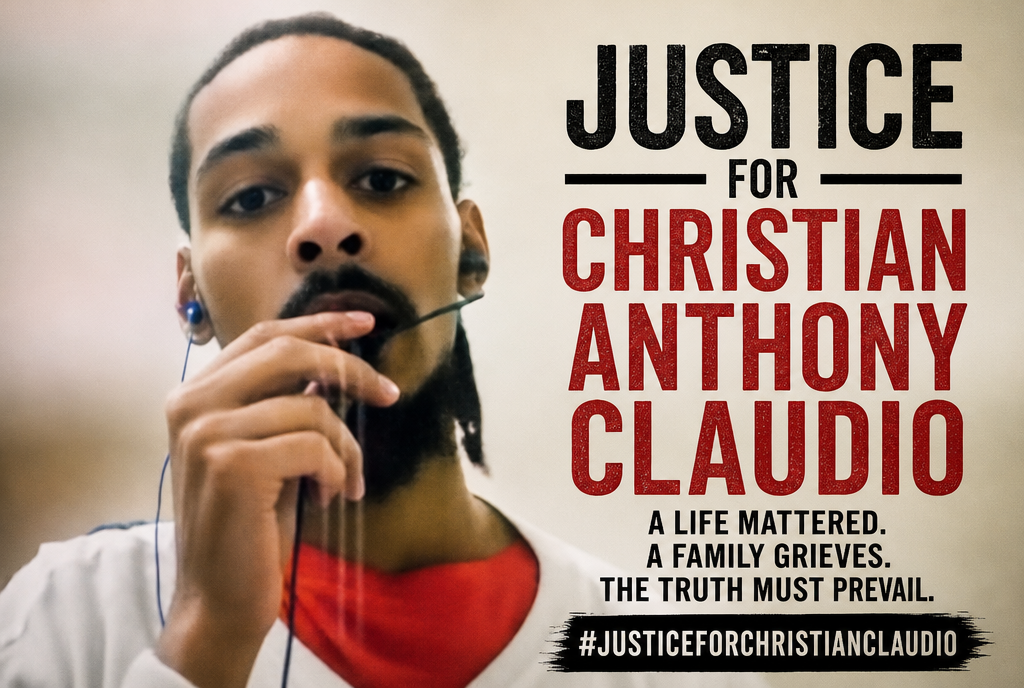
Christian Claudio’s bond is $50,000 after his Mississippi extradition over alleged threats during calls about Nolan Wells, accusations he denies. The dispute turns on what Claudio actually said, not whether asking about Wells’ death made officials uncomfortable.
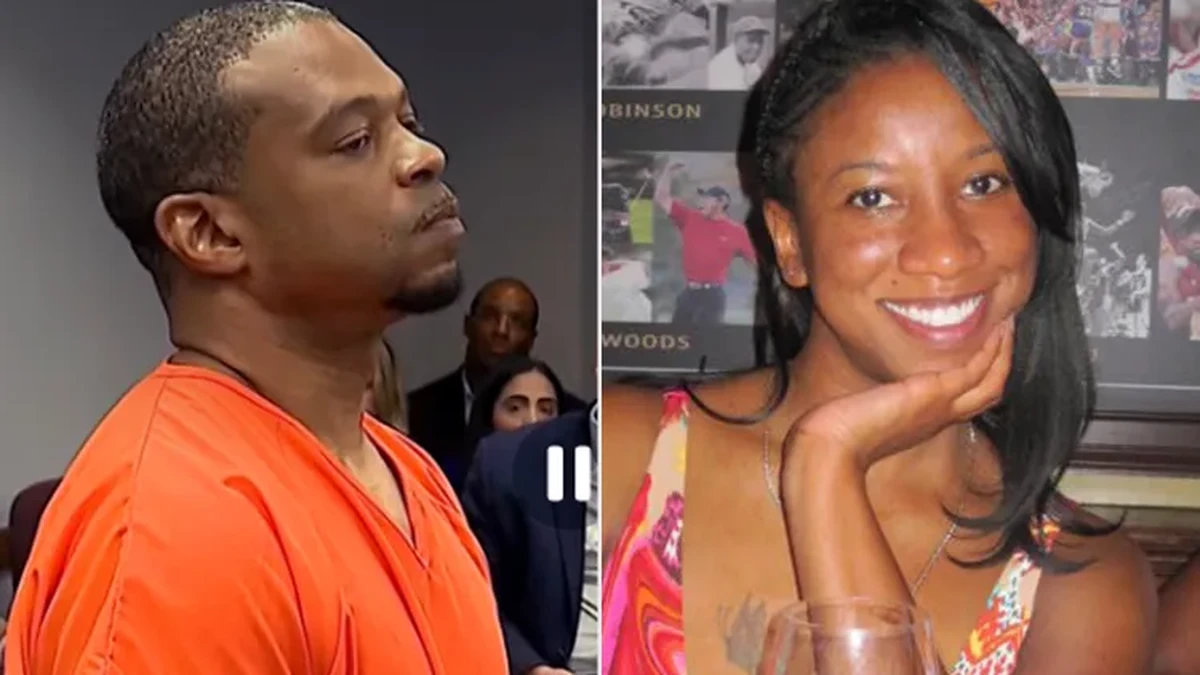
According to WALA’s reporting, the 25-year-old Delhi, New York, resident is being held at the Jackson County Adult Detention Center. The sheriff alleges Claudio called Jackson County Chancery Court clerks in September about the Wells investigation and threatened to travel to Mississippi and kill them. Investigators identified Claudio as the caller, authorities said, and a judge signed a warrant for making terroristic threats.
Claudio’s family disputes that account. Corroborating coverage from Hollywood Unlocked describes a TikTok video in which Claudio spoke from custody in New York. He denied threatening anyone and said, “I do not feel safe and I want to be watched.” His denial belongs alongside the allegation as readers consider the accompanying video below.
Whatever readers take from the video, the competing accounts require evidence beyond public statements. Claudio’s sister, Nicole Kaura, says he called the clerk’s office twice on September 25, 2026. She alleges staff disrespected him, provided no help and hung up. Those details come from his family, not an independently established account of the calls.
Kaura also says a sheriff contacted Claudio three hours later and directed him to call the clerk’s office with questions. Her account places his New York arrest on October 30, 2026, following a traffic stop. WALA reports that authorities subsequently extradited him to Jackson County. The supplied reporting does not include the arrest warrant or supporting affidavit.
A judge set bond at $50,000, according to WALA. Release would require an ankle monitor, and Claudio could not possess firearms while on bond. His preliminary hearing is scheduled for February, although the supplied report gives neither a day nor a year. Those conditions govern potential release; they are not a conviction.
The central evidence question is straightforward: Was either call recorded? Neither report supplied here answers that. If recordings exist, investigators should preserve the complete files, their timestamps and the records showing how they were collected and handled. A selected excerpt could omit words needed to understand the exchange. If no recording exists, the witnesses’ precise recollections become especially important.
A warrant authorizes an arrest; it does not settle a disputed conversation.
PVN’s position is that neither a badge nor a social media following can substitute for proof. A warrant authorizes an arrest; it does not settle a disputed conversation. Readers following the unrelated Kameela Russell case and what a trial must prove should apply that same discipline here. An accusation deserves examination, not automatic acceptance or automatic dismissal.
For Claudio, the stakes already extend beyond an online disagreement. He has been arrested, transferred between states and placed under a $50,000 bond. Those are concrete restrictions before any reported conviction. His sister’s fundraiser seeks legal representation, according to the corroborating coverage. Public concern should support a fair defense without turning his denial into a finding of innocence.
For the justice system, the obligation runs in both directions. Court clerks deserve protection from genuine threats, and asking about a death investigation does not excuse threatening workers. Authorities also owe the public a clear distinction between persistent questioning and criminal conduct. Treating either concern as disposable would weaken confidence in the other.
For Black readers, the power imbalance deserves direct attention: officials can obtain warrants and arrange interstate custody, while families may rely on public appeals to challenge their account. That imbalance warrants scrutiny, but it does not establish racial targeting in this case. The supplied evidence does not establish Claudio’s race or a discriminatory motive. Accountability requires precision, especially when distrust makes the harshest explanation feel immediately believable.
The distinction between a question and a threat cannot rest on a vague description of somebody’s attitude. What exact words do prosecutors allege Claudio used? Which clerk heard them? Were both September 25 calls part of the accusation, or only one? Phone records could help establish contact and duration, but they would not establish the spoken words by themselves.
The court office matters, too. WALA identifies the recipients as Chancery Court clerks, not the investigators handling Wells’ death. The supplied coverage does not explain what records Claudio requested or whether that office held them. A responsible reconstruction would separate his requests, any directions he received and the alleged threat. Confusion about where to seek answers proves neither guilt nor innocence.
Wells must not become background material in somebody else’s prosecution. It does not establish that Claudio represented Wells’ family. His case therefore cannot stand in for their voice, their wishes or the underlying investigation. Attention to Claudio should not erase the person whose death prompted the calls.
Legal labels also need firm boundaries. Readers moving between this arrest and the unrelated coverage of Yella Beezy’s murder verdict should resist flattening different proceedings into one category. Claudio faces a reported charge, not a reported conviction or sentence. Extradition moved him into Mississippi custody; it did not resolve whether the alleged threat occurred.
Advertisement
The February preliminary hearing is the next reported checkpoint. Watch for the actual charging documents, any account of recordings and testimony explaining how investigators identified the caller. Keep separate the evidence concerning Claudio and the unanswered matters concerning Wells. The public should demand answers about both without allowing either case to become proof of the other.
More from PowerVault Network: