Khloe Kardashian’s Lamar Odom Hotel Story Hits a Nerve
By Renee Fontaine, PowerVault Staff Khloe Kardashian says she stormed a hotel room to retrieve Lamar Odom, revisiting his addiction struggles on The Kardashians. Her account includes a room full of strangers, her moth...
Advertisement

By Renee Fontaine, PowerVault Staff
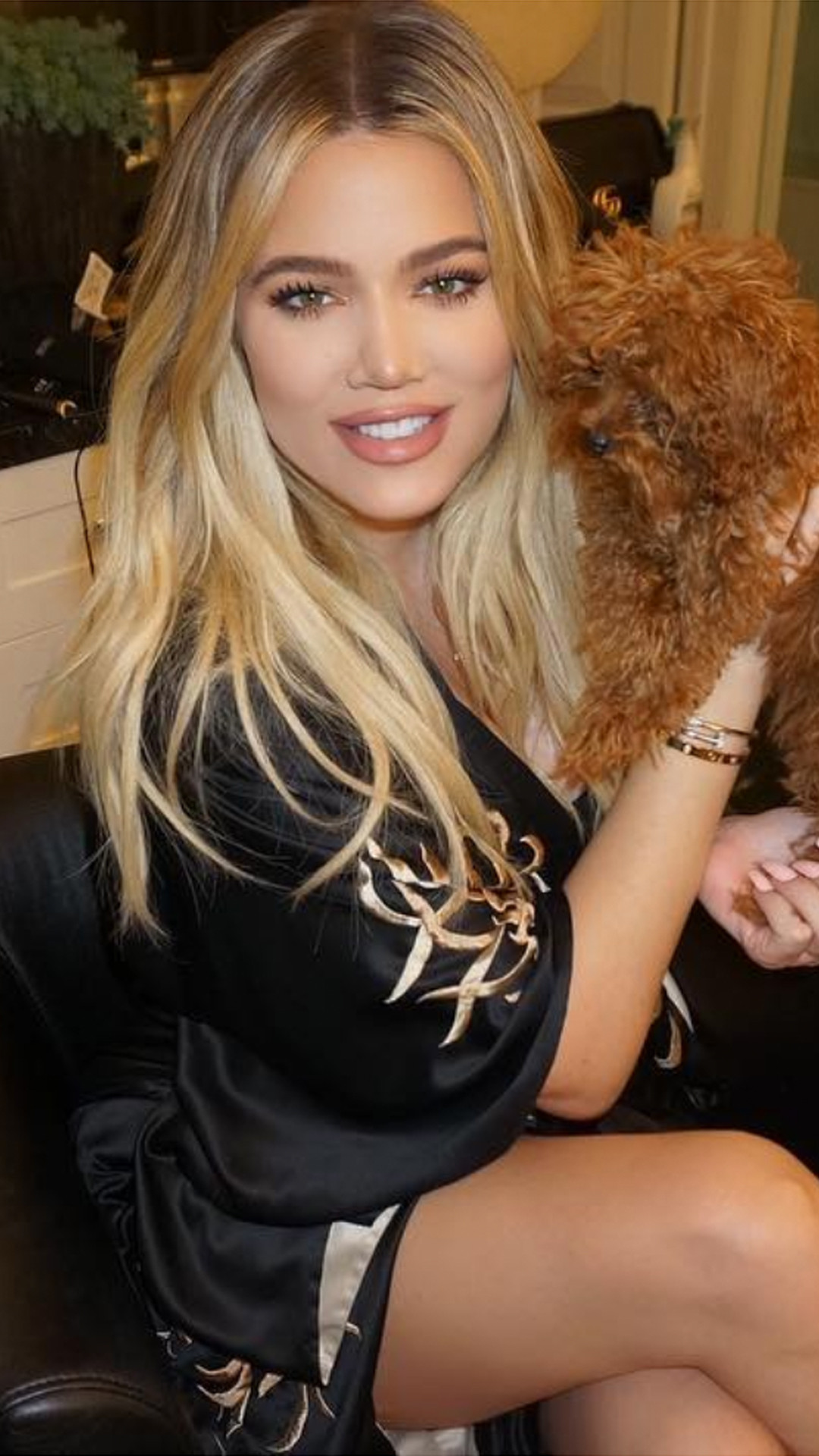
Khloe Kardashian says she stormed a hotel room to retrieve Lamar Odom, revisiting his addiction struggles on The Kardashians. Her account includes a room full of strangers, her mother hiding in a bathroom and an attempted rescue that became physical. That is serious material, even when the delivery sounds like dinner party entertainment. Kardashian can speak about what she experienced during that marriage. Nobody needs to erase her pain to protect his reputation. But turning an alleged crisis into a wild story for new acquaintances deserves scrutiny, especially when the person at its center is absent from the conversation. The shocking reveal needs context before it becomes the headline everybody runs with.
Bossip’s account places the exchange in the November 5 episode, during a gathering at Kris Jenner’s Palm Springs home. Kim Kardashian had invited Nikki Glaser, Brenda Song and Fortune Feimster, her co stars in The Fifth Wheel, for a sleepover. Khloe and Kris joined them. A truth or dare prompt about an embarrassing date sent Kris toward a much heavier memory. Song drew the prompt; Jenner offered what she called “the most crazy thing that Khloé and I ever did.” She described an operation to find Odom after Khloe became aware of his drug use. The setting matters: a story about addiction entered the episode through a party game, not a conversation framed around recovery, safety or the people still carrying those memories.
“We had intel that he was going to be at a certain hotel,” Jenner said on the show, according to the report. She recalled Khloe instructing her to wear black, including a hoodie and beanie. Khloe disputed that detail, saying her mother supplied the dramatic wardrobe. “I just said, ‘We’re going to get Lamar,’” she said. Even their disagreement offers a useful caution: these are memories being reconstructed years later, not a settled record of every detail. Khloe also said they had not discussed the incident in years and expressed surprise that Jenner brought it up. Neither matching outfits nor a confident delivery can establish the full circumstances. The source includes the YouTube video below alongside its reporting.
The accompanying video should not be treated as independent verification of everything described in the hotel account. Jenner characterized the plan as an effort to “extract him from the situation” and claimed other people were holding Odom hostage. That allegation belongs to Jenner; the supplied reporting offers no independent confirmation. Khloe said security entered first, followed by her. According to their recollections, roughly 20 people were present and undressed. Nudity alone does not establish coercion, and the number of people present does not settle what happened. The report does not establish when this happened, identify those people or include their accounts. Those gaps matter before anyone converts a reality TV recollection into a definitive account of a crime or a rescue.
Khloe also said she began hitting strangers in the room, while Jenner went into the bathroom. She described her mother collecting drugs in trash bags. These remain their accounts, not independently established findings. Feimster’s question about whom Khloe was hitting drew an answer that made the situation more troubling: people she did not know. Later, Khloe turned the memory into a reflection on future dating boundaries, including avoiding hard drugs. She said her “manifest list” might need to specify “no orgies, and like maybe no hardcore drugs.” That punchline packaged a frightening account as dating advice. Wanting safer relationships is reasonable. Presenting an uncontrolled confrontation as a caper is another matter entirely. The source pairs its coverage with the Instagram post below.
Their marriage began in 2009, only 30 days after they met, and later became the subject of Khloé & Lamar. Odom’s near fatal overdose in 2015 changed the stakes far beyond television. Kardashian dismissed her first divorce filing during that health crisis and filed again the following year. Their divorce was finalized in 2016. That history helps explain why care, anger and exhaustion might occupy the same memory. Odom has also discussed his addiction publicly, including in Netflix’s Untold: The Death & Life of Lamar Odom. His perspective belongs in this broader conversation, too. It also belongs beside Odom’s achievements. He won NBA championships with the Los Angeles Lakers in 2009 and 2010, then earned Sixth Man of the Year in 2011. Black achievement does not vanish because addiction enters the picture. Neither should the harm addiction can cause a partner.
The problem begins when somebody’s worst chapter becomes everybody else’s easiest entertainment.
A painful memory does not become harmless because the person telling it gets a laugh.
Khloe deserves room to describe a marriage that clearly involved fear and instability. Partners of people struggling with addiction can face impossible choices, and pretending otherwise helps nobody. Still, being frightened does not make every response safe or defensible. Her own account of hitting unfamiliar people should not receive a cute pass because the storyteller is famous. Concern can explain a decision without excusing it. The strangers in that room also deserve consideration; the account supplies no basis for deciding that each person posed a threat. A painful memory does not become harmless because the person telling it gets a laugh. The fairest reading holds both people’s humanity: she can have suffered, and he can deserve dignity. Neither truth requires turning the other person into a villain or a punchline.
Reality television has a business reason to favor a memorable reveal over a careful explanation. A dinner game produces surprise, a confessional supplies the punchline, and a complicated marriage becomes a segment viewers can repeat. Khloe herself noted the awkwardness of discussing a “crack cocaine story” while she and Kris were meeting Kim’s co stars for the first time. That describes the format’s incentive, not proof that producers invented this account or dictated the conversation. There is no evidence here of a coordinated publicity scheme, either. The sharper question is editorial: what context survives the edit? PVN’s coverage of Drake’s dispute with Billboard approaches another fight over industry gatekeeping. Here, the concern is who gets the microphone, who supplies the framing and whose absence makes the story easier to sell.
For the group chat, the useful conversation goes beyond choosing Team Khloe or Team Lamar. Watch the language people reach for when addiction enters a celebrity story. Does someone become a diagnosis, a joke or a permanent warning label? Does sympathy for a partner become permission to applaud unsafe behavior? None of that requires viewers to excuse betrayal or deny the strain of loving someone in crisis. It requires separating accountability from humiliation. Calling someone a “freak,” as Khloe did while discussing future dating, invites a different response than naming the specific behavior that caused harm. PVN’s discussion of Rihanna and who gets to speak on America centers a different debate about public voice. The connection here is whose voice gets heard before the audience delivers its verdict.
Race and money also shape how this story travels. The image of a Black athlete surrounded by excess can activate old stereotypes before viewers ask what is verified. Celebrity wealth adds another imbalance: security teams, television access and publicity support can help someone intervene, then later tell the story from a powerful platform. None of that proves racist intent by Kardashian or Jenner. It does mean editors should resist framing Odom as a spectacle. A sensational label can travel farther than the attribution attached to it, leaving audiences remembering an allegation as an established fact. Meanwhile, Bossip’s coverage of Kardashian and Tristan Thompson reflects the broader appetite for her relationship history. An audience’s interest does not erase the duty to distinguish a person’s public relationships from unrestricted access to their pain.
Advertisement
What deserves attention next is whether Odom responds and whether any additional reporting establishes the hotel incident’s circumstances. The supplied account contains no response from him about this specific recollection. Until that changes, viewers should distinguish what Khloe and Kris say happened from what has been independently confirmed. Any response from Odom should receive the same scrutiny, not automatic acceptance. The challenge for entertainment media is straightforward: report the revelation without dressing addiction up as a party trick. Give Khloe room to discuss boundaries. Give Lamar room to be more than his crisis. Black recovery deserves attention before another painful memory becomes the next clip.
More from PowerVault Network: