Lamar Jackson's Return: What It Means for the Ravens and Black Athletes in the NFL
By Simone Walker, PowerVault Staff Lamar Jackson is back in action for the Baltimore Ravens this week, and that's newsworthy not just for fans, but for what it represents in the broader sports scene. Sidelined for the...
Advertisement

By Simone Walker, PowerVault Staff
Lamar Jackson is back in action for the Baltimore Ravens this week, and that's newsworthy not just for fans, but for what it represents in the broader sports scene. Sidelined for the past three games with an ankle injury, Jackson returns at a critical time as the Ravens face off against the Buffalo Bills, led by MVP front-runner Josh Allen. This matchup is pivotal, not just for the Ravens' playoff aspirations but as a stage for Jackson to reassert his dominance. In a league where every game counts, Jackson's health could very well determine the trajectory of the Ravens' season, influencing not only their immediate fortunes but also the long-term narrative surrounding his career and the team's future.
The Ravens have been hit hard by injuries, and Jackson's absence was a glaring one. But as reported by the source, Jackson is ready to step back onto the field, offering hope to a team that desperately needs it. Ravens coach John Harbaugh has emphasized the importance of having their star quarterback back, a sentiment echoed by fans eager to see Jackson's electrifying playmaking ability light up the field once more. It's a high-stakes return, emblematic of the pressure cooker that is the NFL. With Jackson back, the Ravens are not just regaining a player; they’re reigniting the dynamic force that propels their offensive strategy, reminding everyone that his presence is integral to their success.
This is more than about one player coming back from injury, it's about the cascading effects on the Ravens' game plan and the psychological boost Jackson's return provides. The Ravens will face the Bills without safety Jaylinn Hawkins and guard Vega Ioane, both sidelined with knee injuries. Running back Adam Randall and cornerback T.J. Tampa Jr. Are questionable, but they've been active in practice, suggesting a possible return. Their potential participation could offer the Ravens much-needed depth, allowing them to adapt more flexibly to the challenges posed by a formidable Bills team. Jackson’s return not only revives their on-field strategy but also revitalizes the team's morale, as his presence symbolizes resilience and potential triumph.
On the Bills' side, they’ll be missing key players as well. Wide receiver Tyrell Shavers is out with a knee injury, and several others, including Spencer Brown and Dee Alford, are managing various ailments. It's a war of attrition at this point in the NFL season, where rosters are patched up week by week, hoping to stay competitive until the playoffs. The circumstances make Jackson’s return a critical pivot point for the Ravens as they vie for top divisional standing. In an NFL scene where depth charts are tested like never before, Jackson's availability could tip the scales in Baltimore's favor, potentially altering the AFC balance as the season progresses.
The stakes of this matchup can't be overstated. For Jackson, it's more than just a return to the field; it's a chance to reaffirm his status as one of the NFL's elite quarterbacks. All eyes will be on how he performs against Josh Allen, a player leading the MVP race. The spotlight is intense, and the pressure is palpable. This matchup is not just about who wins, but about legacy, perception, and the narratives that echo throughout the league. As Jackson steps onto the field, he does so with the weight of proving his mettle once more, challenging both the doubters and the conventional narratives that have long surrounded Black quarterbacks in the NFL.
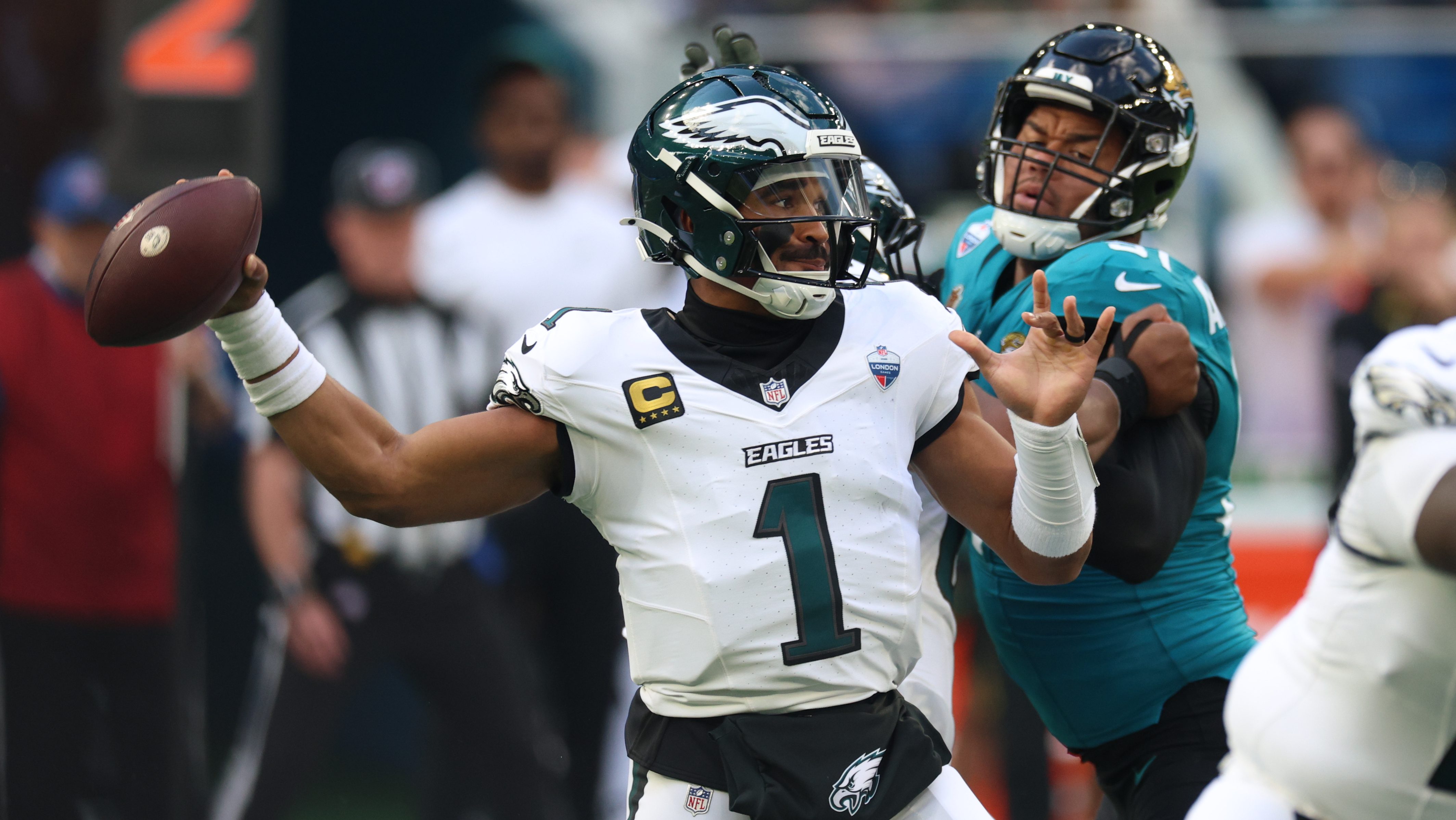
Jackson's journey back to the field is reminiscent of the pressure Black athletes often face in predominantly white sports environments. Back in 2018, he was largely doubted as a quarterback, pigeonholed by stereotypes that follow Black athletes. Then he won the MVP in 2019, silencing many critics but never fully escaping the scrutiny that Black quarterbacks face. This is a narrative familiar to Jalen Hurts too, whose recent health issues have sparked discussions about NFL priorities, as reported by PowerVault Network here. These athletes continually battle against the tide of preconceived notions, serving as both trailblazers and targets, as they handle a path laden with expectations that extend far beyond the typical pressures of athletic performance.
The NFL's pressure cooker demands not just skill but resilience from Black athletes, who often face unique challenges both on and off the field.
The NFL's pressure cooker demands not just skill but resilience from Black athletes, who often face unique challenges both on and off the field.
Jackson returning this week is not just a personal victory; it's a significant moment for the Ravens' franchise. The organization has invested heavily in him as their quarterback of the future, signaling a shift in how teams value quarterbacks who break the mold. But this trust comes with its own set of pressures, as Jackson knows he carries not just the expectations of the franchise but also those of a community looking up to him. This investment isn't merely financial; it's a bet on a new era of football where athleticism and leadership are intertwined. Jackson's role transcends the playbook, as he embodies a new kind of quarterback who challenges traditional archetypes and paves the way for future generations.
For the fans, especially Black audiences, Jackson's success is a beacon of possibility. It's a reminder that excellence is achievable despite systemic obstacles. The community rallies behind players like Jackson because they often see their struggles and aspirations reflected on such grand stages. This is a moment that resonates far beyond Baltimore. Jackson's journey is proof of perseverance and talent overcoming barriers, inspiring young athletes who see in him a reflection of their potential. His impact extends beyond touchdowns and victories; it is about changing perceptions and setting new standards, inspiring the next generation to redefine what success looks like in arenas that historically have been difficult to handle.
The injuries plaguing both the Ravens and the Bills highlight the physical toll of the NFL, urging an industry-wide reassessment of player health protocols. The league's return-focused culture often prioritizes immediate performance over long-term well-being, a dynamic felt most acutely by Black players due to systemic disadvantages rooted in access to quality healthcare and support systems. The Ravens' commitment to Jackson's recovery shows a glimmer of progress but questions linger about broader industry practices. This focus on short-term returns versus long-term health points to a need for systemic change, advocating for a more holistic approach that considers the well-being of players as integral to the league's future success and sustainability.
Advertisement
It's crucial to recognize how these dynamics play out in the broader context of NFL's racial politics. For Black quarterbacks like Jackson, every injury, every recovery, is a microcosm of their larger fight for respect and recognition. As the NFL sees an increasing number of Black quarterbacks, the narratives must also evolve to celebrate their achievements without boxing them into outdated stereotypes. These athletes are not just competitors; they are cultural icons pushing against entrenched barriers, representing a shift in how talent is perceived and valued. Their stories are not just about sports but about challenging the status quo, demanding that they be seen and celebrated for their skills and contributions without prejudice.
Looking ahead, Jackson's return is just one chapter in a longer narrative of athletic resilience. As the Ravens take on the Bills, fans will be watching to see if Jackson can lead his team back to victory. Beyond the box scores and the highlight reels, this game is a commentary on the perseverance of Black athletes thriving in an environment that often views them through a narrow lens. Jackson's performance this week could very well be a catalyst for change, both on the field and in the culture of sports. His journey is proof of the power of determination, and as he steps onto the field, he carries with him the hopes of many who see in him a symbol of progress.