Top HBCU Basketball Players 2026: The Future of Black Excellence on Campus
By Andre Coleman, PowerVault Staff Daeshun Ruffin is poised to take the HBCU basketball scene by storm as the 2026-27 season unfolds. A prolific scorer from Jackson State, Ruffin not only led the Southwestern Athletic...
Advertisement

By Andre Coleman, PowerVault Staff
Daeshun Ruffin is poised to take the HBCU basketball scene by storm as the 2026-27 season unfolds. A prolific scorer from Jackson State, Ruffin not only led the Southwestern Athletic Conference (SWAC) in scoring last year with an impressive 23.3 points per game but also snagged the SWAC Player of the Year award. His performance is already raising eyebrows, especially given Jackson State's modest preseason poll position at sixth. Ruffin's playmaking abilities will be essential as the Tigers aim to smash expectations and redefine the competitive scene within the SWAC. His ability to lead the team and energize both his teammates and fans could be the catalyst for a season of surprises and achievements.
The buzz around Ruffin isn't just about his numbers. It's about what his presence symbolizes in a scene where HBCU athletes often face systemic challenges and fewer resources compared to their counterparts from predominantly white institutions. As reported by MEAC Sports, the tide is slowly changing, with HBCU programs gaining more visibility and attracting higher-caliber talent. Ruffin's story is part of this evolving narrative, where the focus is not only on individual excellence but also on elevating entire programs. His journey is emblematic of a shift towards greater equity and opportunity, showcasing how talent can flourish even in environments that have historically been overlooked by the broader sports community.
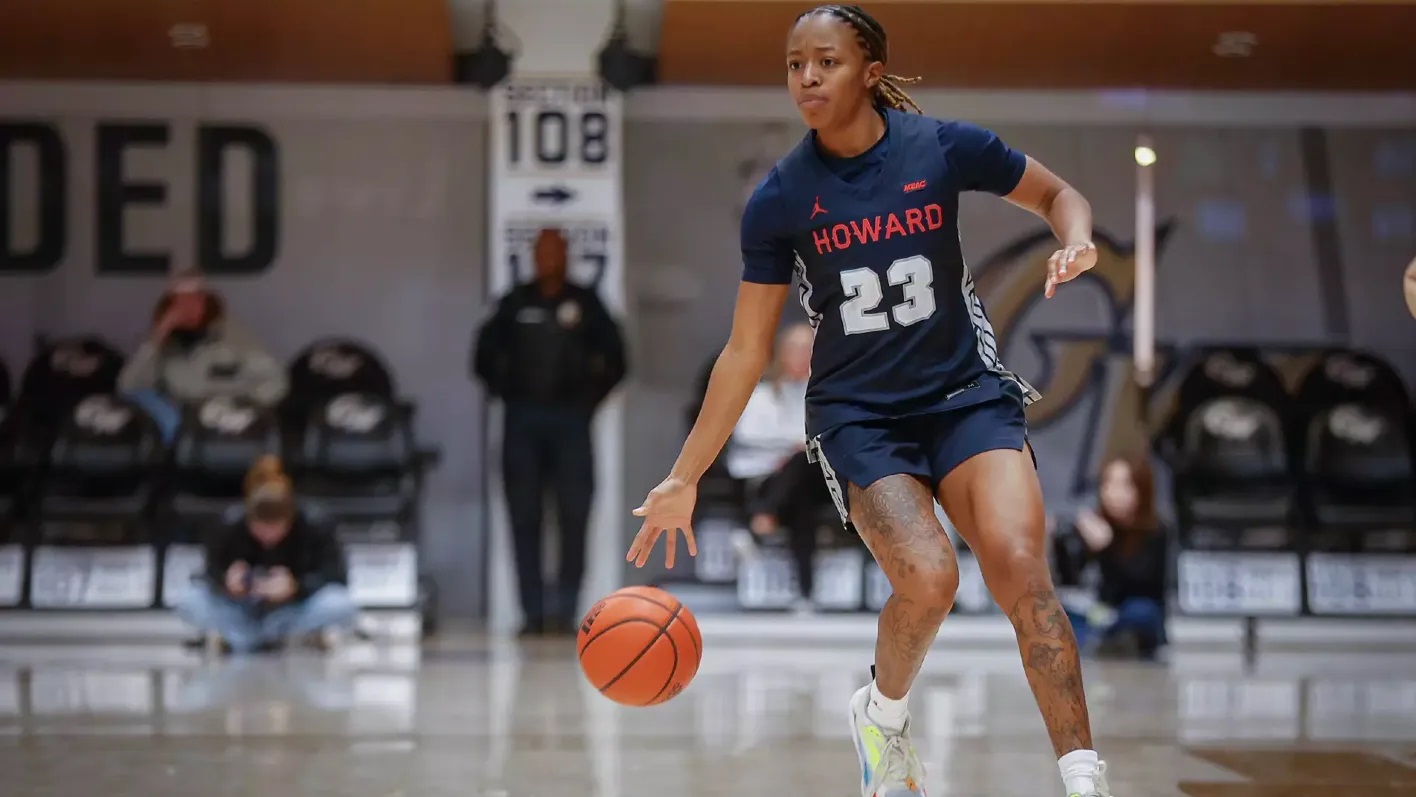
Cedric Taylor III of Howard University, a force in the Mid-Eastern Athletic Conference (MEAC), is another name lighting up conversations this season. After averaging 17.2 points, 6.7 rebounds, and 3.1 assists per game last year, Taylor's dual prowess on offense and defense makes him a cornerstone for Howard's aspirations to repeat as MEAC champions. His accolades, including MEAC Newcomer of the Year and Defensive Player of the Year, reinforce his status as a game-changer. Taylor's ability to impact the game on both ends of the court not only elevates his team but also sets a standard for excellence that inspires others to follow. The clip below highlights Taylor's journey and his relentless pursuit of greatness.
Tennessee State's Arterio Morris brings fresh energy to the Tigers, following his transfer from Bethune-Cookman. Last season, Morris contributed significantly to the Wildcats' SWAC title win, showcasing his skill and determination. His former status as a McDonald's All-American adds another layer of anticipation as he steps onto the court for Tennessee State. With an average of 11.2 points per game, Morris is expected to fill the gap left by Aaron Nkrumah's graduation, pushing Tennessee State to aim for another NCAA tournament appearance after breaking a decades-long drought. His presence will not only enhance the team's offensive capabilities but also bring a new level of excitement and competitiveness to the program.
Meanwhile, Morgan State's Alfred Worrell Jr. Stands ready to challenge Howard's dominance in the MEAC. Worrell, known for his reliable scoring and sharp three-point shooting (36.3% last season), is set to lead the Bears in their quest for conference glory. As Morgan State seeks to dethrone the defending champions, Worrell's offensive consistency could be the deciding factor in their success. His ability to deliver under pressure and maintain a steady performance throughout the season makes him an invaluable asset. This season's dynamics are captured in the video below, highlighting Worrell's potential to shift the balance of power within the MEAC.
This new wave of talent shows a broader historical trend where HBCUs are reclaiming their rightful space in collegiate athletics. Historically, these institutions were once the primary path to professional leagues for Black athletes, serving as incubators of talent and ambition. However, integration and the allure of high-powered programs diluted this pipeline, diverting many promising athletes away from HBCUs. The resurgence of stars like Ruffin, Taylor, and others harks back to a golden era, signaling a promising future that brings hope and renewed focus on these institutions. It’s proof of the enduring legacy of HBCUs in shaping not just athletes but leaders, reminding us of their critical role in the sports scene.
But this resurgence isn't just about nostalgia or looking to the past.
For these athletes, success isn't just measured in points or awards; it's about redefining the narrative of Black talent within a system designed to overlook them.
For these athletes, success isn't just measured in points or awards; it's about redefining the narrative of Black talent within a system designed to overlook them. In an industry that often reserves its spotlight for champions from larger, wealthier schools, HBCU athletes are rewriting those scripts with every game they play. Their stories resonate deeply with an audience that sees them not merely as athletes but as symbols of perseverance and excellence. Their achievements challenge the status quo, proving that excellence can emerge from environments that foster genuine talent and resilience, despite systemic inequities. This redefinition is not just personal; it's profoundly cultural.
The industry, too, must grapple with what this resurgence means for its foundations. As these players rise, so does the question of equitable support. Are endorsements, media coverage, and sponsorships being reallocated to reflect this shift? The broader sports industry must confront these disparities, recognizing the unique challenges and the untapped potential within HBCUs. This is more than an opportunity for athletes but a call for systemic change. It's about acknowledging the value of diversity and ensuring that the resources and opportunities are distributed fairly to support the growth and success of all athletes, regardless of their institutional affiliation.
For the community, these stories are fuel. They offer a counter-narrative to the oft-repeated tales of struggle and adversity that many communities face. Watching athletes from historically Black colleges rise to prominence isn't just inspiring; it's a reminder of the potential lying dormant in so many communities. These athletes become beacons of what dedication and opportunity can achieve when aligned, echoing the impact of cultural icons like Mary J. Blige in her new venture, Good People. Their success stories serve as powerful examples of what can be accomplished when talent is nurtured and given the platform to shine.
Advertisement
The backdrop of these athletes' rise is steeped in racial and class dynamics that cannot be ignored. HBCUs have always operated within financial constraints that their wealthier counterparts don’t face. Yet, the resilience and resourcefulness displayed by these institutions in nurturing talent is unparalleled. This season is more than sports; it’s about challenging a system and demanding its evolution to truly embrace diversity not just as an addendum, but at its core. HBCUs continue to defy limitations, proving that excellence can thrive even when resources are limited, and that true innovation often comes from those who must make the most out of less.
As the 2026-27 season unfolds, all eyes will be on these athletes not only for their prowess on the court but for their potential to ignite broader societal change. Their journey is a living testament to the power and promise of HBCUs, setting the stage for a future where Black excellence is not just celebrated but expected. At a time when visibility is power, these athletes are lighting the way. The next chapter isn't just about who wins on the court; it's about who rewrites the rules off it, challenging structures and creating a more inclusive and equitable sports scene for future generations.