Mary J. Blige's Alimony Experience: What It Reveals About Gender Roles and Money in Relationships
By Marcus Ellison, PowerVault Staff Picture this: a woman who's given her heart and soul to the music industry, only to find herself in a place no one expects a queen to be. That's right, Mary J. Blige, the iconic voi...
By Marcus Ellison, PowerVault Staff
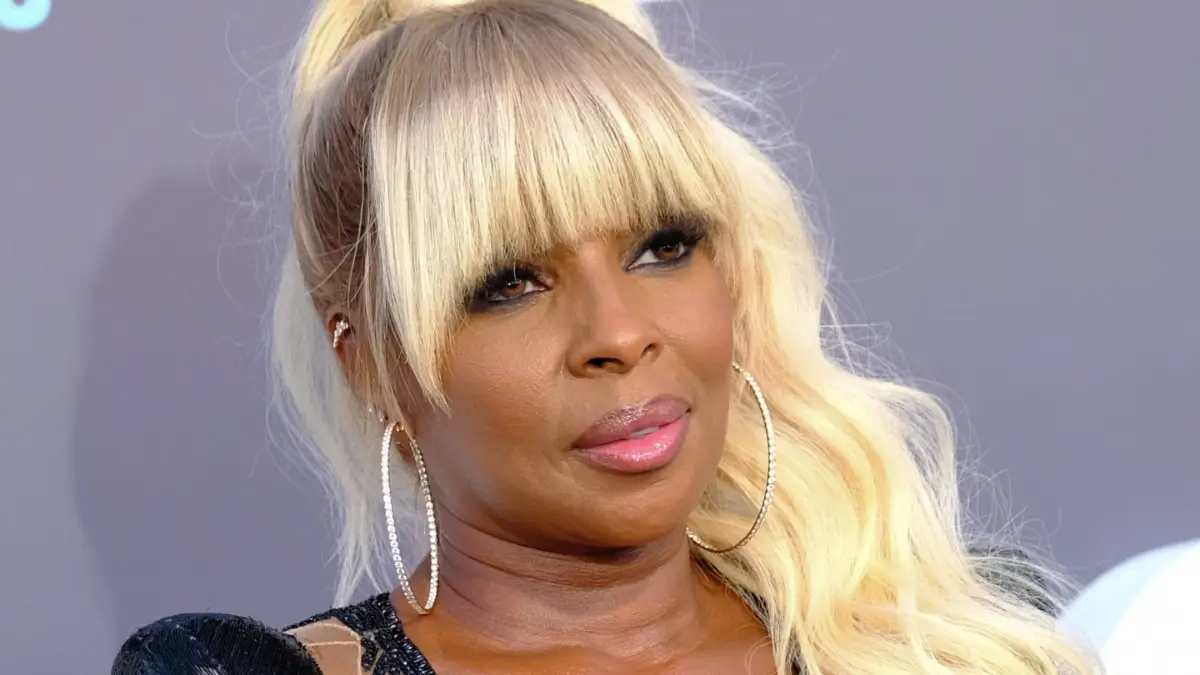
Picture this: a woman who's given her heart and soul to the music industry, only to find herself in a place no one expects a queen to be. That's right, Mary J. Blige, the iconic voice behind 'Real Love' and 'Family Affair,' found herself paying alimony to her ex-husband, Kendu Isaacs, after their tumultuous divorce. It’s a scene that disrupts traditional narratives and, let's be real, it’s hitting a nerve for a reason.
Mary J. Blige's journey from heartbreak to empowerment has always unfolded in her music. This time, the narrative might not have a beat, but the rhythm of her experiences tells us volumes about gender, power, and the complexities of modern relationships. In a sit-down interview, Mary didn’t hold back, describing how she had to hit the road hard to pay that alimony bill. "I couldn't even pay my rent," she revealed in one candid moment.
Her story is not just about an artist fighting financial woes. It's a deeper commentary on what happens when the breadwinner title changes hands, challenging the very essence of gender roles that have been fed to us for generations. Her public and raw honesty is a mirror reflecting the reality many face but rarely speak about.
Let's take a breath and consider the historical context here. In the entertainment industry, and beyond, men have traditionally held the power, with women often positioned as the ones who need financial support post-divorce. But the times they are a-changin’. Women like Adele, Halle Berry, and now Mary J. Blige, are flipping the script, taking on roles as the primary earners. This shift is not just altering personal dynamics but shaking up society’s perception of gender roles.
Mary J. Blige's situation isn't just a headline, it's a chapter in a much larger narrative about systemic issues around money and gender. Our community, rooted in resilience, is no stranger to challenging norms. But when those expectations are challenged so publicly, it forces us all to reckon with the question: What does it mean to be the breadwinner today?
Blige's story also highlights the financial entanglements of the music industry. Artists often face complicated financial obligations that can lead to surprising vulnerabilities. When Mary had to tour to meet financial commitments, it underscored the lack of financial security even for seasoned artists.
The post below shows Mary living her best life, moving past the drama with grace and style.
From a cultural perspective, this whole saga prompts us to question how society views powerful Black women. For decades, Blige has been a symbol of strength and resilience, yet here she was, vulnerable due to financial strain. It speaks to a broader issue of how Black women are often expected to shoulder burdens silently while maintaining a facade of strength.
The industry must reckon with how it supports, or fails to support, its artists. Mary's experience is a cautionary tale not just for celebrities but for everyone about the importance of financial literacy and independence. It's a reminder that no matter your status, understanding your finances is crucial.
Our community is watching these situations more closely than ever, and with good reason. As we continue to challenge societal norms and expectations, Mary’s experience becomes a rallying cry for greater equality and recognition of the issues at play.
Reflecting on this, one has to ask: Are we as a society prepared to embrace the idea that women, especially Black women, can be the financial powerhouses in their relationships? The conversation is overdue, and Mary’s story is pushing it to the forefront.
The post below captures just how much Mary has moved forward. It's not just about overcoming, it's about thriving.
The racial dynamics at play in this narrative are impossible to ignore. Black women have long been the backbone of communities, often overlooked in their contributions both financially and domestically. Mary J. Blige's situation shines a light on how race and gender intersect in complex ways when discussing power and money. This is more than a pop culture moment; it's a reflection of ongoing societal challenges.
Blige's story isn't just a headline, it's a chapter in a much larger narrative about systemic issues around money and gender.
Looking forward, Mary J. Blige continues to inspire as she turns her struggles into empowerment. Her story is a potent reminder that while life might hand you challenges, it's how you rise from them that defines you. As she reclaims her narrative, Mary exemplifies resilience and reinvention, two things she’s never been short of.
For all of us watching, it's clear the conversation around gender roles in relationships, particularly involving Black celebrities, is evolving. Mary J. Blige has once again proven that she's more than just a voice; she's a force, shaping the narrative and challenging us all to think differently about the roles we play, both in relationships and in the world. Let's keep watching, learning, and growing.