Olivia Miles vs. Caitlin Clark: The Impact of Their Rookie Seasons on the WNBA
By Tanya Brooks, PowerVault Staff The roar of the crowd at Barclays Center was deafening, a mix of cheers and anticipation. Not just any night of hoops, this was the moment Olivia Miles was crowned the unanimous Rooki...
By PVN Staff·September 28, 2026·Straight From the Bench
By Tanya Brooks, PowerVault Staff
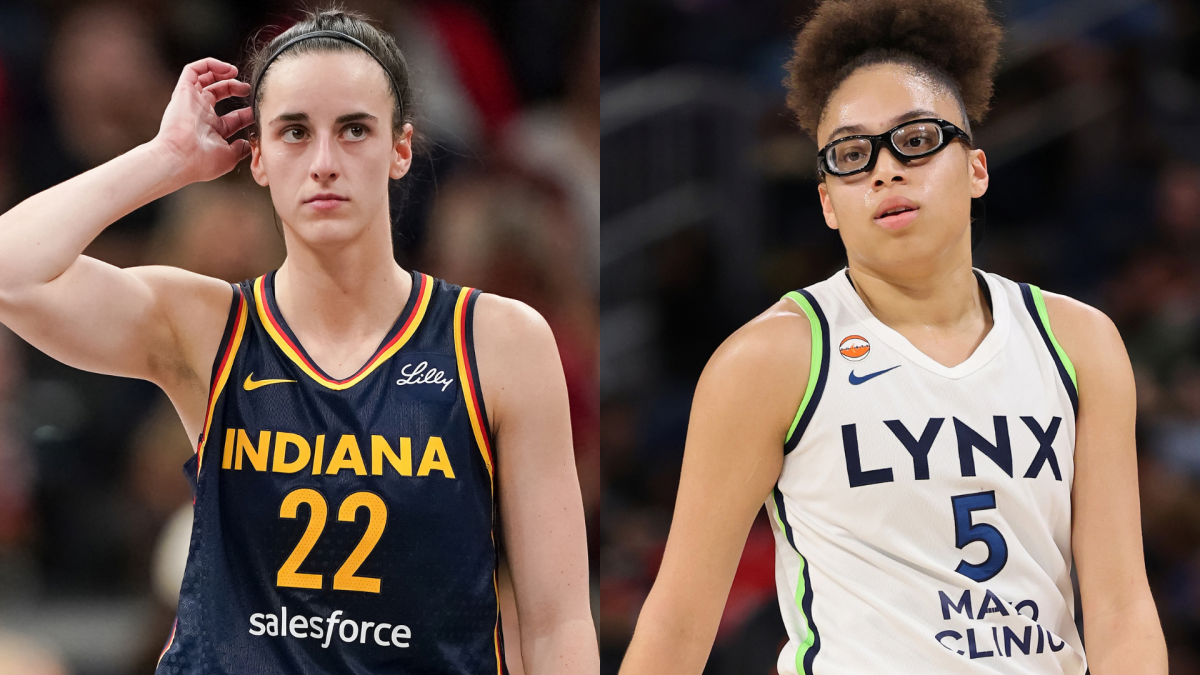
The roar of the crowd at Barclays Center was deafening, a mix of cheers and anticipation. Not just any night of hoops, this was the moment Olivia Miles was crowned the unanimous Rookie of the Year. The significance of this isn't just in the title, but in the echoing footsteps of Caitlin Clark's legendary 2024 rookie season. Both athletes, electric and defiant, pushed their way into the league and changed the narrative of what a rookie guard can achieve in the WNBA.
Olivia Miles' rookie season was a tour de force, not just for her stunning stats but for the way she commanded the court with a confidence that belied her years. Her ability to read the game, make split-second decisions, and lead her team in pivotal moments drew comparisons to seasoned veterans. By the end of the season, there was a palpable shift in how rookies were viewed, not just as future stars but as instant game-changers. But where does this leave Caitlin Clark, who set a seemingly insurmountable standard just two years prior?
This is where the conversation gets rich and complex, weaving through the layers of talent, opportunity, and the subtle, sometimes overt, politics of the WNBA. Clark's rookie year was historic, redefining what a guard could accomplish on the court. Her sharpshooting and fearless drives to the basket were nothing short of revolutionary. Yet, Miles has seemed to take that blueprint and scribble her own notes in the margins, bringing a fresh dynamism to the position that even Clark might admire.
Here's a question that needs asking: Is the comparison between Miles and Clark just about stats, or is there something deeper at play? In a league that has long struggled for parity in coverage and respect, the rise of these two athletes represents more than personal triumphs, they symbolize a seismic cultural shift. Both players embody a fierce determination characteristic of emerging Black athletes who must handle the additional hurdles of race and gender in professional sports.
Of course, context is everything. The WNBA in 2024 was different from the league of 2026. While Clark's ascent was meteoric, it came at a time when the league was grappling with inequality in pay and visibility compared to the NBA. By the time Miles arrived, there had been a notable shift. Television deals were more lucrative, social media platforms amplified players' voices, and sponsorships slowly began to reflect the value these athletes bring. But these changes didn't happen overnight, and they certainly weren't handed on a silver platter.
So what's at stake when we pit these two against each other? It’s not just about who had the better stats or who could dazzle the crowd more. It's about understanding the broader implications of their contributions. Both Clark and Miles have ignited conversations that extend beyond the court, discussions about representation, equity, and the relentless pursuit of excellence in an often unbalanced playing field.
The timeline erupted when fans weighed in on YouTube about who had the better season. The debate wasn't just about who could dunk or shoot threes with more finesse; it unraveled into discussions of identity and aspiration in a league that's striving for equality.
As a Black athlete in a predominantly white sports machine, Miles' victory is a testament to resilience and ambition. She stands on the shoulders of those who came before her, breaking through barriers that many thought unassailable. When she dazzled on the court, it wasn't just her skills that were on display, it was the culmination of years of struggle and persistence from the entire community she represents.
Both Clark and Miles have redefined what it means to be a rookie guard in the WNBA. Their seasons aren't just chapters in their personal stories, they're part of a larger narrative about the evolution of women's sports, and Black athletes' roles within it.
When we talk about the league, it's crucial to discuss how these athletes are reshaping the industry. The spotlight on Miles and Clark has forced networks, advertisers, and fans to pay attention, to invest not just financially, but culturally in the WNBA. There's an urgency to this shift, a demand for recognition that these athletes are not just good for women's basketball but are essential to the broader basketball conversation.
Looking ahead, the impact of these rookie seasons will likely inspire a new generation of players. Young athletes, especially young Black girls who see themselves mirrored in Miles and Clark, will know that the sky isn't just the limit, it's a stepping stone. The WNBA's future seems bright, but it remains tethered to the issues of inequality that have long plagued it. The league is at a crossroads, propelled by the successes of its young stars but still burdened by systemic challenges.
The clip that encapsulated this surge of change is below, capturing not just the physical prowess but the palpable hope that the WNBA's best days lie ahead.
Both Clark and Miles have ignited conversations that extend beyond the court, discussions about representation, equity, and the relentless pursuit of excellence in an often unbalanced playing field.
What happens next in their careers will be watched closely, not just by the media but by fans hungry for champions who reflect their dreams and realities. Miles and Clark are not just players, they are symbols. As we look forward, we must advocate for a world where their achievements are celebrated without the caveats of race, gender, or the label of 'rookie.'
In closing, the story of Olivia Miles versus Caitlin Clark isn't just a tale of who was better, but a narrative about emerging brilliance in a space that has long been yearning for heroes. As we celebrate their achievements, we must also challenge the barriers that remain. Because the real victory lies in breaking them down, one game at a time.