Pete Hegseth's NFL Blunder: Military Clash and Historic Artifact Mishap
By Tanya Brooks, PowerVault Staff Pete Hegseth is making headlines once again, but not for reasons he or the Trump administration would prefer. His latest misstep as Defense Secretary involved an embarrassing fiasco s...
Advertisement

By Tanya Brooks, PowerVault Staff
Pete Hegseth is making headlines once again, but not for reasons he or the Trump administration would prefer. His latest misstep as Defense Secretary involved an embarrassing fiasco surrounding the NFL's first regular-season game in France. This incident not only collided with the State Department's directives but also significantly diminished his tough-guy image, which he has painstakingly cultivated. It seems that Hegseth's attempt to exert unilateral control over military protocol ended up backfiring spectacularly, revealing a lack of coordination and cohesion within Trump's cabinet. This debacle is yet another example of how Hegseth's penchant for making decisions without proper consultation or foresight continues to create unnecessary chaos, casting a shadow over his tenure and raising questions about his suitability for such a critical role.
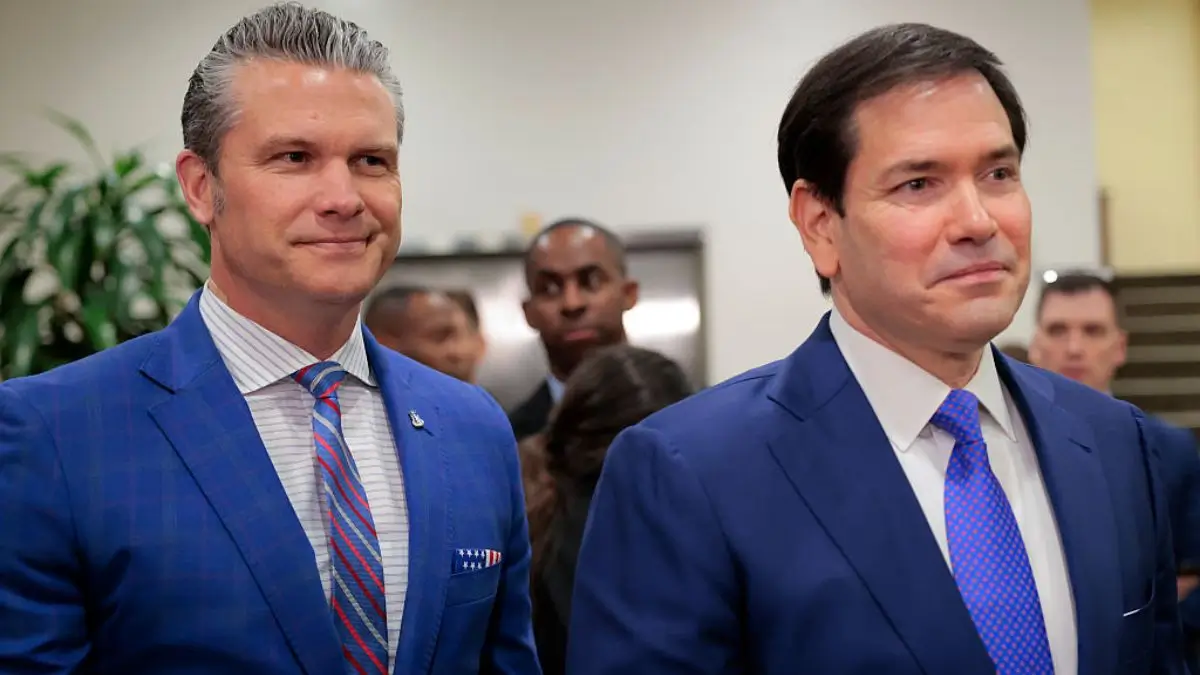
According to a report by the Washington Post, Hegseth attempted to withdraw U.S. Military involvement from the NFL game held in Paris, citing concerns over security. However, Marco Rubio, Secretary of State, pushed back against this decision. Rubio argued that a military presence carried diplomatic weight, offering a unique opportunity to showcase American strength and solidarity on a global stage, and posed no significant risk. His insistence on maintaining military participation highlights a crucial point: the intertwining of sports and diplomacy in international contexts. Ultimately, Hegseth was forced to back down and agree to a limited military presence, which included a small color guard contingent. This episode shows the ongoing tension between Hegseth's impulsive leadership style and the more complicated diplomatic strategies that Rubio and others in the administration are trying to implement.
This debacle comes on the heels of another PR nightmare for Hegseth. His aides damaged a 1930s globe once used by President Dwight D. Eisenhower to plan the D-Day invasion. This artifact was not just a piece of history but a symbol of strategic genius and wartime resilience. Rather than delegate the delicate task of moving it to professionals, Hegseth's team tried to handle the artifact themselves, resulting in its unfortunate destruction. The globe was a tangible link to a turning point in world history, and its loss is both symbolic and literal. A Twitter post captures the public's reaction to these blunders, with many expressing disbelief and frustration that such a valuable piece of history could be treated with such carelessness.
The NFL game in Paris was supposed to be a diplomatic triumph but instead became a public relations mess. Protests in France, driven by both local and international issues, overshadowed the event, forcing the cancellation of several fan and team activities in central Paris. These protests highlighted the volatile political climate in France, where issues such as labor rights and economic inequality have been front and center. While the game itself, played at Stade de France, still managed to draw viewers on the NFL Network, the surrounding controversies diminished the intended impact of the event. The situation served as a reminder of how sports events can quickly become entangled with broader socio-political issues, complicating what should have been a straightforward cultural exchange.
As if the globe incident and NFL debacle weren't enough, Hegseth has also faced backlash over the conditions aboard naval ships. A disturbing photo emerged showing subpar meals served to sailors, sparking outrage and raising fresh questions about his competence and priorities as Defense Secretary. Sailors are the backbone of the Navy, and their well-being should be a top concern, yet the image of unappetizing, inadequate meals suggests a neglect of basic duties. This YouTube video gets into the conditions aboard, shedding light on the systemic issues that plague naval operations under Hegseth's watch. These revelations have led many to question whether Hegseth is more concerned with maintaining his tough-guy persona than ensuring the welfare of those under his command.
Hegseth's controversies are not isolated incidents but part of a troubling pattern that has come to define his tenure as Defense Secretary. His reckless decisions and stunts, from using military planes for personal favors to damaging historical artifacts, reflect a long-standing issue of mismanagement. These actions echo past power struggles during previous administrations, when figures like Rumsfeld and Cheney clashed with other branches over military protocol. Such behavior reveals a consistent disregard for established procedures and an alarming tendency to prioritize personal ambitions over institutional integrity. The damage extends beyond individual blunders, contributing to a culture of impunity and chaos that undermines the very foundations of military governance. This pattern of behavior raises serious questions about Hegseth's ability to lead effectively in a position that demands both strategic vision and accountability.
Hegseth's antics reveal a glaring disconnect between his tough-guy image and his actual decision-making power.
Hegseth's antics reveal a glaring disconnect between his tough-guy image and his actual decision-making power.
While Hegseth may still enjoy some influence in Trump's inner circle, his repeated blunders suggest a diminishing clout. Each mistake chips away at his authority, making it abundantly clear that his leadership style is more bravado than substance. This is more than about damaged globes or NFL games; it's about a credibility crisis that undermines his, and by extension, Trump's administration. The series of missteps highlights a fundamental disconnect between Hegseth's public persona and his actual effectiveness as a leader. In a role that requires strategic foresight and diplomatic acumen, his impulsive actions and lack of foresight are liabilities. The erosion of his credibility not only weakens his position but also casts a shadow over the administration's broader efforts to project strength and stability on the world stage. As these blunders accumulate, they serve as a potent reminder that true leadership is measured by results, not rhetoric.
For the NFL, this incident is a potent reminder of the complex interplay between sports and politics. In an era where global events become a stage for diplomatic gestures, mishandling such opportunities can mar the league's reputation and its role as a soft power ambassador. The YouTube video here illustrates how sports diplomacy often intersects with broader geopolitical agendas, offering a window into the potential benefits and pitfalls of engaging with international audiences. As a major American cultural export, the NFL carries with it the potential to foster goodwill and mutual understanding across borders. However, when these opportunities are mishandled, they can backfire, leading to diplomatic tensions and tarnishing the league's image. This incident shows the need for careful planning and coordination in leveraging sports as a tool for international diplomacy.
For Black communities, Hegseth's blunders are emblematic of a larger systemic issue where leadership decisions often disregard the voices and well-being of marginalized groups. Whether it's mismanagement in military protocols or ignoring sailors' welfare, these actions disproportionately affect those who are often sidelined in policy considerations. The neglect of basic needs and the prioritization of personal agendas over collective welfare reveal a broader pattern of systemic inequality. This pattern is not new; it reflects a historical trend where marginalized communities bear the brunt of poor leadership decisions. The impact of these decisions extends beyond immediate consequences, perpetuating cycles of disadvantage and disenfranchisement. As Hegseth's actions continue to make headlines, they serve as a stark reminder of the urgent need for accountability and inclusion in leadership positions across all sectors.
Advertisement
Beneath the surface, this mess reveals deeper racial and class tensions within both military and political circles. The systemic disregard for lower-ranking personnel reflects a broader societal issue where those at the bottom bear the brunt of the consequences, while decisions are made over steak dinners and on the backs of fragile alliances. The disparity in how different groups are treated is a microcosm of the larger inequities that permeate society. This calls for a reckoning, not just within the Department of Defense, but across all sectors where leadership prioritizes personal agendas over collective responsibility. The need for systemic change is urgent, as the current trajectory only serves to widen the gap between those in power and those who are impacted by their decisions. Addressing these tensions requires a commitment to equity, transparency, and genuine engagement with the communities that leadership is meant to serve.
As the dust settles on this fiasco, eyes will be on Hegseth's next move. Will there be accountability for these blunders, or will the tough-guy act continue unchallenged? For now, it's a reminder that leadership requires more than bravado; it demands accountability, wisdom, and a genuine connection to the communities it serves. The repercussions of Hegseth's actions extend beyond the immediate fallout, raising critical questions about the standards of leadership and governance in the current administration. As public scrutiny intensifies, the onus is on Hegseth and his colleagues to demonstrate that they are capable of learning from past mistakes and charting a more responsible path forward. The stakes are high, and the demand for effective, inclusive leadership has never been more urgent.