Rihanna Home Shooting: The Story Behind the Indictment
By DeShawn Price, PowerVault Staff The quiet, affluent neighborhood of Beverly Crest was abruptly interrupted by the sound of gunshots. In a place where tranquility is the norm, this was anything but ordinary. The tar...
By DeShawn Price, PowerVault Staff
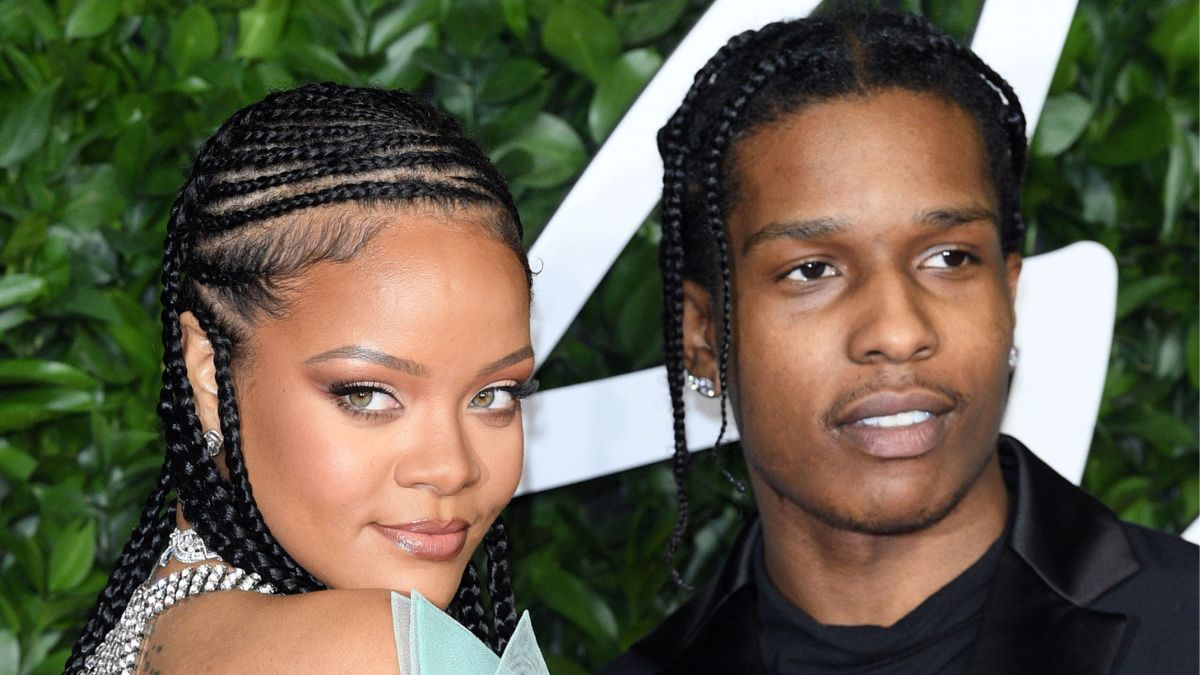
The quiet, affluent neighborhood of Beverly Crest was abruptly interrupted by the sound of gunshots. In a place where tranquility is the norm, this was anything but ordinary. The target of this brazen daylight attack? The home of global superstar Rihanna and her partner, hip-hop artist A$AP Rocky. The accused? A Florida woman named Ivanna Lisette Ortiz, now facing an indictment that could have severe legal consequences.
The Los Angeles County District Attorney's Office revealed the details of the indictment on September 30, following months of speculation and investigation. Ortiz, who reportedly traveled from Florida to Los Angeles with an AR-15-style rifle, stands accused of opening fire on the couple's residence. The specifics of how Ortiz came into possession of such a weapon, and her motivations, are still under scrutiny.
The incident raises several pressing questions about celebrity safety and the lengths to which individuals will go to breach it. At a time when privacy is a luxury, especially for those in the public eye, this case shows the vulnerabilities even the most fortified lives can face. The sheer boldness of a daylight attack on a celebrity’s home is a troubling sign of the times we live in.
Rihanna and A$AP Rocky, known to keep their personal lives relatively private, have not publicly commented on the incident. However, sources close to the situation noted how unsettling the experience was for the family. According to People, the couple's primary concern is the safety and well-being of their children.
The larger question is whether the justice system is equipped to handle cases like this efficiently and effectively. The attack seems to be a glaring example of a systemic failure in both mental health and firearm regulation. Ortiz's psychiatric evaluations, a prerequisite before standing trial, are central to the narrative. It highlights a critical question: Are current systems robust enough to prevent such incidents?
The clip that set the timeline off is below.
This situation also forces us to confront the racial and social dynamics at play. The fact that a Black-owned property, belonging to Black cultural icons, became the target of such violence cannot be ignored. It's a stark reminder of the racial inequities that persist in the justice system. Would the response have been different if the roles were reversed? This case might bring those questions to the fore as it continues to unfold in the public eye.
In the broader context of celebrity culture, this case is not unique. History offers numerous examples of fans or individuals who have taken their obsessions too far, from John Lennon's tragic assassination by Mark David Chapman to the shooting of Selena Quintanilla by her fan club president. In each instance, questions of obsession, mental health, and the individuals' access to their targets prevailed.
In the following YouTube video, you can see coverage of the incident as it unfolded.
Security, both personal and digital, becomes a critical discussion in light of these events. For those in power and the public eye, the question isn't just about how to protect themselves physically but also how to manage their public personas in a digital age that erases boundaries. This case might prompt a reevaluation of how security measures are implemented for high-profile individuals.
The justice system’s ability to address the dual challenges of mental health and firearm regulation is under scrutiny.
The indictment of Ivanna Lisette Ortiz has triggered a dialogue that transcends the immediate details of the case. It gets into the systemic issues within the American justice system. The recurring theme of untreated mental illness often intersecting with access to firearms is not new, but it seems the conversation remains stagnant, without substantial progress or reform.
For the public and the community at large, this event is a sobering reminder of the precarious safety net we all rely on. The fascination with celebrity culture is a double-edged sword, offering both adoration and potential danger. The notion that fame provides a shield from the world's harsh realities is a myth. In fact, it often magnifies risk.
Below is another video exploring the aftermath of the incident and public reactions.
As this trial progresses, it presents an opportunity for the legal system to reevaluate its approach to such cases, possibly setting a precedent for future incidents involving high-profile individuals. For the culture, it is a moment to reflect on the boundaries of admiration and the responsibilities that come with public attention.
As we look ahead, the question remains: What measures will be put in place to prevent future incidents? How will this case influence future policies on gun control and mental health? It's a waiting game that places the spotlight not just on Ivanna Lisette Ortiz, but on the broader mechanisms of justice tasked with safeguarding society.
The ongoing developments demand our attention, not just for the sake of justice for Rihanna and her family, but for the collective safety and progress of the community. These are questions that need answers, and it is up to the system to provide them, to ensure that a similar scenario doesn't play out elsewhere.