Riverside Park Stabbing: Who Did the NYPD Search?
By Tanya Brooks, PowerVault Staff An unnamed woman who blamed a Black man for the Riverside Park stabbing later told NYPD officers she accidentally stabbed herself. Atlanta Black Star reported that the 26 year old cha...
Advertisement

By Tanya Brooks, PowerVault Staff
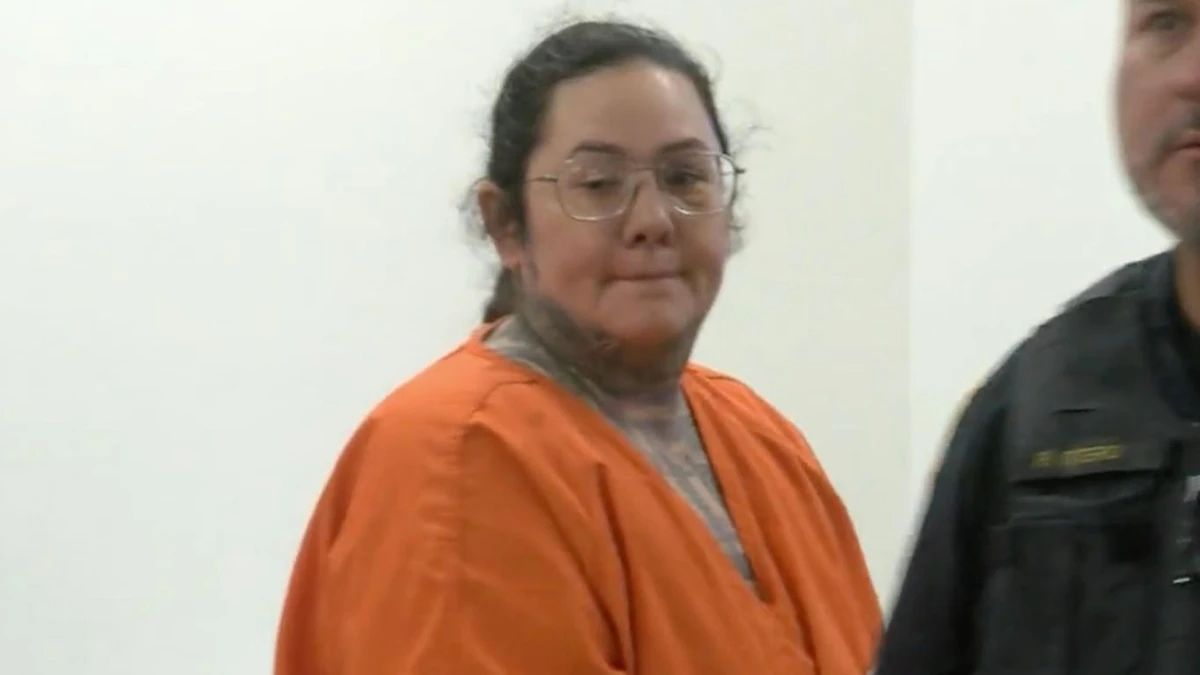
An unnamed woman who blamed a Black man for the Riverside Park stabbing later told NYPD officers she accidentally stabbed herself. Atlanta Black Star reported that the 26 year old changed her account after police obtained surveillance footage showing her buying the knife. The revised account takes the alleged attacker out of the story. It does not tell the public what happened during the search for him.
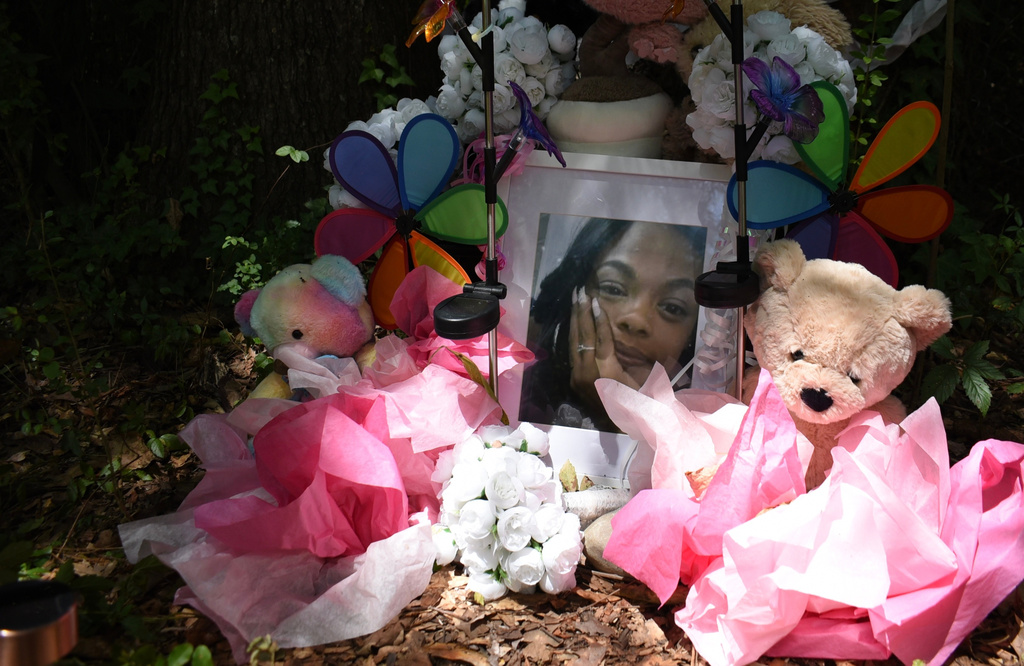
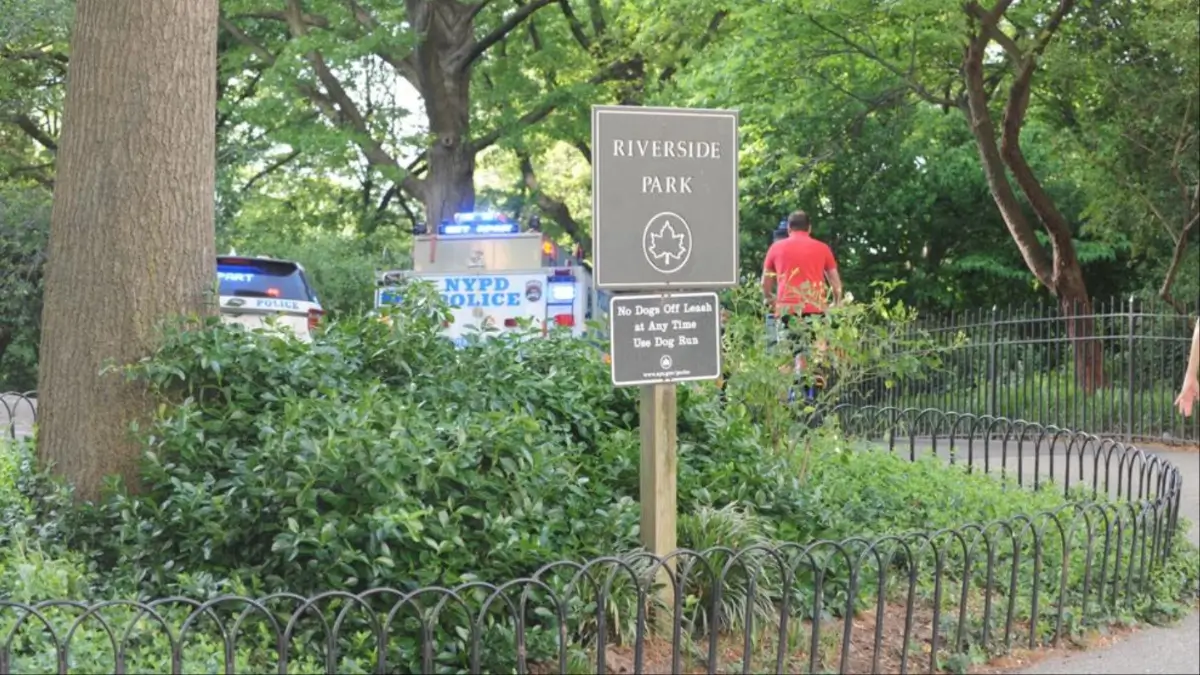
The first known time comes from an email the NYPD sent to Atlanta Black Star. “On Monday, November 23, 2026, at approximately 1938 hours, police responded to a 911 call of a female stabbed inside of Riverside Park at West 96 Street, within the confines of the 24 Precinct,” the department said. Officers found the woman with a stab wound. Police had a real injury to respond to. Who caused it was a separate question.
The reporting says police searched the area, but it does not say what description officers had beyond race and gender. It does not say whether anyone was stopped. Those are gaps in the public record, not proof that officers did or did not approach anyone. That distinction is worth keeping in mind when reading the X post below.
A public post cannot substitute for an account of what officers did. PVN would start with two records: the original dispatch and any later update to responding officers. The first could show what officers were told to look for. The second could show when they were told to stop looking. If either record leaves room for doubt, the next question is what officers actually did on the ground.
The store footage has a narrower job. Atlanta Black Star says it shows the woman buying the knife before the incident. That matters, but a purchase does not establish how the injury happened or why she first blamed someone else. PVN made a similar distinction between what a recording shows and what people infer in its coverage of the Albuquerque Halloween shooting. The same test applies to the video below: what does it show, and what does it only describe?
The two accounts differ on who held the knife when she was injured. The second account adds a claim about intent: she says it was accidental. Both details matter, and the reporting does not establish what made her give the first account. Four days after the incident, Atlanta Black Star reported that police had neither named the woman publicly nor announced charges. The NYPD told the outlet the investigation was ongoing.
New York's law on falsely reporting an incident makes knowledge part of the inquiry. A changed account gives investigators a reason to examine what the woman knew when she spoke. It does not prove that element by itself. The absence of an announced charge, meanwhile, tells readers nothing about whether police reviewed the conduct of their own officers during the search.
A correction can clear the record without reaching the people who heard the accusation.
For a Black man near West 96 Street that evening, the danger would have been ordinary presence getting read as a match. A racial label does not tell an officer which person to look for. It can still tell an officer whose presence to treat as suspicious. The record does not establish that this happened in Riverside Park. The reason to ask is that the people exposed to that risk had no say in how it started.
A correction can clear the record without reaching the people who heard the accusation. That is why PVN would ask whether a suspect description went beyond responding officers and, if so, who got the update. Newsrooms have their own version of that duty. A follow up should be at least as plain about what fell apart as the first headline was about whom to fear. Watch for that distinction in the coverage below.
Readers do not have to turn the woman into a public target to hold the department to account. PVN has asked before when coverage should stop. Here, the line is between information that helps explain a police response and information that merely gives people someone to look up. Her name would not tell a neighbor whether officers questioned anyone in the park.
Advertisement
The next meaningful update should address the search on its own terms. Did officers stop or question anyone? What did they rely on, and when did the department tell them the account had changed? If nobody was stopped, the NYPD can say so. If somebody was, that person deserves more than a correction buried in the story of somebody else's injury.
More from PowerVault Network: