Sheridan Dirk Fogle's Double Life: How a Hidden Crime Revealed Systemic Failures
By Jasmine Reed, PowerVault Staff Sheridan Dirk Fogle, a name now etched in infamy, will spend the rest of his life behind bars following his conviction for the murder of his girlfriend, Penni Whiteside. This case is...
Advertisement

By Jasmine Reed, PowerVault Staff
Sheridan Dirk Fogle, a name now etched in infamy, will spend the rest of his life behind bars following his conviction for the murder of his girlfriend, Penni Whiteside. This case is both shocking and deeply unsettling, as it reveals a chilling story of betrayal and brutality. Whiteside’s body lay buried under a firepit in the backyard of Fogle’s Myrtle Beach home for two years, a grim secret concealed beneath layers of deception. The discovery of her remains brought to light not only the horror of her death but also the lengths to which Fogle went to cover up his crime. This case highlights the dark realities of domestic violence and the insidious nature of abuse, where trust is manipulated and lives are shattered.
In 2024, authorities finally uncovered the remains of 51-year-old Whiteside after Sheridan Fogle made unsettling remarks to his neighbors, sparking suspicion. Fogle had casually mentioned burying 'something' in his backyard, which prompted an investigation that eventually led to the gruesome discovery beneath his firepit. Local news outlet ABC affiliate WPDE was among the first to report on the case, shedding light on the tragic end that Whiteside met at the hands of someone she once trusted deeply. The details of this case reveal the disturbing reality of how Fogle lived his life for two years, with the knowledge of his crime hidden in plain sight. This discovery not only unraveled Fogle's facade of normalcy but also ignited a broader conversation about how such heinous acts can go unnoticed for so long.
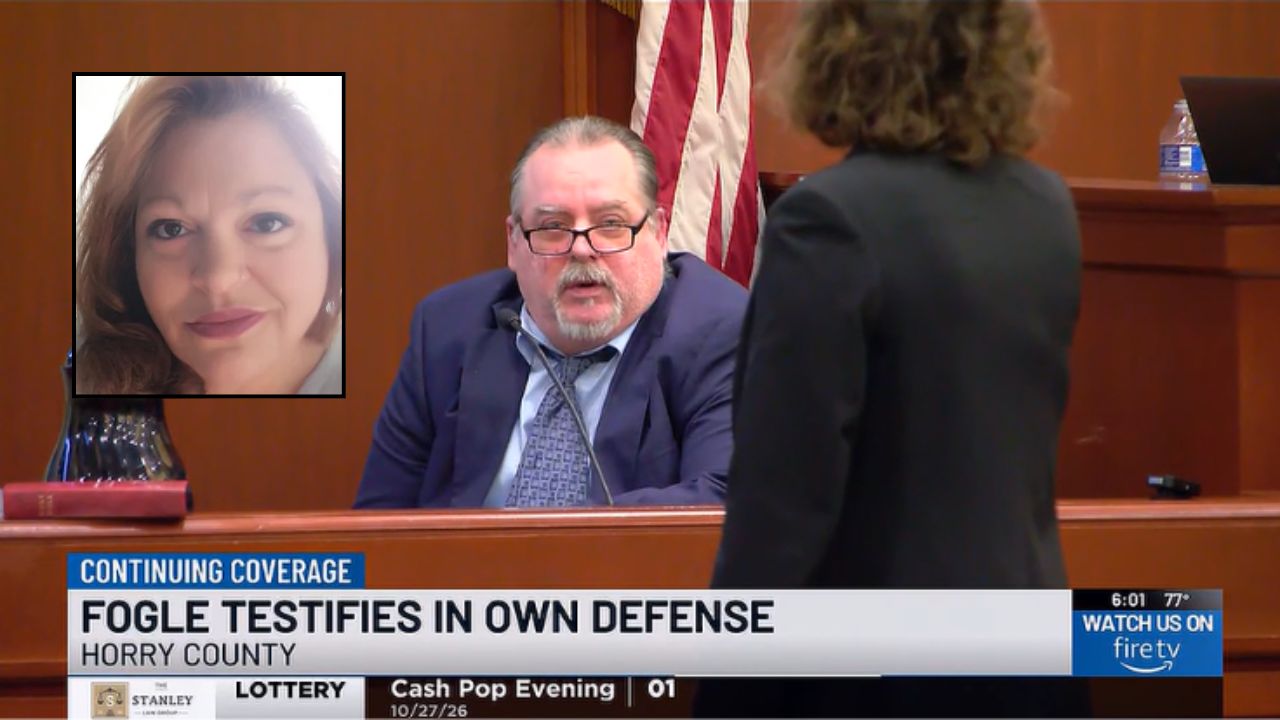
At the heart of this case is Fogle's chilling testimony and the video footage presented during his trial, where he alleged that Whiteside 'came at him' with a knife, prompting a deadly altercation. However, this narrative of self-defense quickly crumbled under the scrutiny of prosecutor Nancy Livesay, who meticulously highlighted inconsistencies during cross-examination. Fogle's claim failed to align with the evidence presented, which painted a vastly different picture of what transpired. The courtroom scene, captured in video, showcases Livesay's pointed questioning, which systematically dismantled Fogle's defense. This trial not only exposed Fogle's attempts to justify his actions but also underscored the critical role of rigorous cross-examination in revealing the truth behind such violent acts.
Fogle’s recounting of the events is nothing short of chilling. He admitted to strangling Whiteside, a brutal act that laid bare the depths of his violence. His subsequent actions only added to the horror of the situation. Fogle confessed to 'getting high' after the murder, a detail that shows the callousness of his actions. He then custom-built a wooden box to contain her body, a keepsake from his grandfather, repurposing it into a tomb for Whiteside. This macabre transformation of a familial artifact into a vessel of death is both unsettling and revealing of Fogle's mindset. Keeping the box in his home for days before finally burying it under the firepit demonstrates a chilling level of premeditation and disregard for the life he had taken.
Prosecutor Nancy Livesay pressed Fogle on how he could claim self-defense when his actions suggested something far more sinister. Despite the mounting evidence against him, Fogle maintained that he was defending himself, a claim that starkly contrasts with his behavior in the aftermath of the murder. His calm demeanor and ability to carry on with his life in the days following Whiteside's death raise serious questions about his assertions of fear and panic. This narrative not only challenges the credibility of Fogle's defense but also highlights broader issues of accountability and justice. The courtroom proceedings, captured in video, offer a detailed look at how Livesay's methodical approach to cross-examination exposed the inconsistencies in Fogle's story and ultimately helped secure a conviction.
This case is not isolated. It is a haunting reflection of the systemic failures within our justice system, much like the tragic story of Javits Frimpong, whose death highlighted the negligence of authorities in addressing bullying. Fogle's history of domestic violence against Whiteside was well-documented, yet it took two years for her to receive justice. This inaction reflects a pattern where red flags are ignored until it's too late, a systemic problem that has claimed too many lives. The failure to act on visible signs of abuse allowed Fogle to continue living freely while Whiteside remained hidden beneath his backyard. This case shows the urgent need for a proactive approach in addressing domestic violence and ensuring the safety of potential victims before tragedy strikes.
A justice system that allows a man to remarry while his victim's body lay hidden is a broken one.
A justice system that allows a man to remarry while his victim's body lay hidden is a broken one.
The case of Sheridan Dirk Fogle forces us to confront uncomfortable truths about domestic violence. For far too long, abusers have been able to avoid accountability, their actions minimized or ignored until tragedy strikes. Whiteside's murder is a stark reminder of the pervasive threat posed by domestic abusers who operate under the radar, protected by a culture of silence and denial. Fogle's conviction, while providing justice for Whiteside, also highlights the broader societal failure to adequately protect victims of domestic violence. It serves as a call to action for communities and legal systems to implement more effective measures in preventing such violence and ensuring that victims have access to necessary support and protection. The work ahead is not just about achieving justice for past victims but creating a safer future for potential ones.
For law enforcement and the judicial system, this case serves as a stark wake-up call. The investigation into Whiteside's disappearance was only spurred by Fogle's bizarre hints, raising serious questions about the thoroughness of police work and the effectiveness of protocols designed to protect citizens. This oversight echoes the failures seen in cases like Gwaltney's child abuse, where systemic shortcomings are glaringly evident. The delay in uncovering Whiteside's fate highlights a troubling lack of urgency and attention to detail that can have deadly consequences. It shows the need for law enforcement to critically evaluate and overhaul their investigative processes to ensure that potential signs of danger are not overlooked. This case should prompt a reevaluation of how missing person reports are handled, especially when there is a known history of violence.
For the Black community, Fogle's case shows the urgent need for systemic change. When victims like Penni Whiteside are overlooked, it perpetuates a cycle of violence and mistrust in the institutions meant to safeguard us. The lack of prompt action in her case reflects a broader pattern of neglect that disproportionately affects communities of color. Advocacy for reforms in handling domestic violence cases is paramount to prevent future tragedies. This includes ensuring that law enforcement agencies are equipped and trained to respond effectively to domestic violence incidents, particularly in marginalized communities. By addressing these systemic issues, we can begin to rebuild trust and create a justice system that truly serves and protects all members of society, regardless of race or socioeconomic status.
Advertisement
The racial and class dynamics in cases like this cannot be ignored. Whiteside’s death, like many others, points to a society where victims of color often don’t receive the attention or urgency they deserve. Economic disparities exacerbate this issue, as access to resources and support is often limited for marginalized communities. This lack of resources can leave victims vulnerable, with fewer options for escape or protection. The intersection of race and class in this case highlights the layered challenges that victims from underprivileged backgrounds face in seeking justice and safety. Addressing these disparities requires a concerted effort to ensure equitable access to support services, legal representation, and protective measures, thereby dismantling the systemic barriers that perpetuate inequality and injustice.
Moving forward, the focus must be on systemic reform and cultural shift. This means advocating for comprehensive support systems for domestic violence victims and holding law enforcement accountable for their investigative processes. It's not just about justice for Penni Whiteside but ensuring no other story follows this same tragic path. Creating a safer environment involves implementing policies that prioritize victim protection and swift responses to domestic violence reports. It also requires community education initiatives aimed at recognizing the signs of abuse and supporting those at risk. By fostering a culture of vigilance and empathy, we can work towards a society where domestic violence is not tolerated, and justice is accessible to all, regardless of background or circumstance.