Javits Frimpong's Tragic Death: Is Bullying in NYC Schools Being Ignored?
By Jasmine Reed, PowerVault Staff In a heartbreaking turn of events, 15-year-old Javits Frimpong was fatally shot while walking to school in the Bronx. The young Ghanaian immigrant, who had moved to New York with drea...
Advertisement

By Jasmine Reed, PowerVault Staff
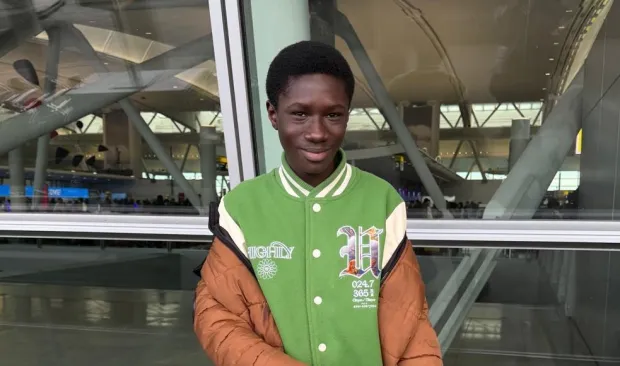
In a heartbreaking turn of events, 15-year-old Javits Frimpong was fatally shot while walking to school in the Bronx. The young Ghanaian immigrant, who had moved to New York with dreams of a brighter future, was violently gunned down shortly before 9:30 a.m. The incident occurred near the bustling streets of Fulton Avenue and East 171st Street, an area now overshadowed by this tragic loss. Javits' story is one of countless others who leave their homeland with hopes of finding opportunity and safety, only to face unimaginable violence. His death has left a community reeling, grappling with the reality that a young life full of promise has been abruptly and senselessly ended, leaving a family shattered and searching for answers.
Javits’ father, Thomas Frimpong, shared with ABC7 New York that bullying might be linked to his son's untimely demise. Just days before Javits was killed, school officials had reportedly suspended two students for bullying him, alleging a serious underlying issue that might have escalated. Despite these disciplinary actions, the ongoing investigation has yet to confirm any definitive connection between these incidents and Javits' death, leaving many questions unanswered. The lack of clarity adds to the family's grief, as they struggle to understand why their son was targeted. The broader community echoes this confusion and demands a thorough investigation to uncover potential oversights in school policies and law enforcement responses that might have prevented this tragedy.
The fatal shooting occurred near Fulton Avenue and East 171st Street, not far from Crotona Park, a locale now marked by tragedy. This area, typically known for its vibrant community life, has become the scene of a devastating crime that has rattled the neighborhood. As the search continues for three masked teenagers who fled the scene, the community is left grappling with the senseless loss of a young life, taken in what should have been a safe space. The anguish and anger are palpable, as locals demand answers and justice, questioning how such violence could occur in broad daylight and calling for increased security measures and community support to prevent further loss.
In the YouTube video below, a local resident calls for immediate action, urging parents and community leaders to step up and address the root causes of youth violence. This passionate plea shows the desperation felt by those living in areas plagued by violence and limited resources, where systemic neglect has left families vulnerable. The resident's call is not just a cry for help but a demand for accountability and proactive measures from those in power. It highlights the urgent need for community-based solutions, increased funding for youth programs, and active engagement from local authorities to create environments where children like Javits can thrive without fear of violence.
In the aftermath, New York City stands at a crossroads, challenged to provide more than just thoughts and prayers in response to yet another senseless act of violence. The calls for expanded after-school programs and community interventions echo louder than ever, demanding tangible change to prevent future tragedies. These demands are not new, yet they gain renewed urgency as communities witness the cycle of violence continue unabated. City officials must now confront the systemic issues that contribute to such incidents, including inadequate educational resources, lack of mental health support, and insufficient community engagement. The time for promises has passed; what is needed now is decisive action and the implementation of policies that will effect real change.
Sadly, Javits’ death is not an isolated incident. It fits a troubling pattern of violence disproportionately affecting Black and Brown communities, where systemic failures have left many families vulnerable to tragedy. The injustice faced by families like the Frimpongs isn't new. For decades, these communities have been marginalized, receiving inadequate support from both education and law enforcement systems. This neglect is evident in cases like the Koran Irvine shooting, where similar dynamics played out, highlighting a wider narrative of systemic neglect and racism. The cycle continues, fueled by entrenched societal biases and policy failures that have yet to be adequately addressed. Acknowledging this pattern is the first step toward meaningful change and justice.
Who benefits from this broken system that perpetuates such tragedies and inequalities?
This tragedy exposes how systemic failures in our schools are putting Black lives at risk.
Community leaders argue that the lack of adequate resources in schools directly contributes to environments where bullying and violence can thrive unchecked. In many underfunded schools, overwhelmed administrators struggle to maintain order and safety, while a critical shortage of mental health resources leaves vulnerable students without support. This neglect creates a perfect storm for tragedy, where issues like bullying can escalate to violence without intervention. The failure to address these gaps is not just about Javits; it's about the countless others who suffer in silence, their cries for help unheard until it's too late. Addressing these systemic deficiencies is crucial to preventing future tragedies and supporting the well-being of all students.
The conversation must shift to accountability. Schools and city officials need to reassess their priorities and commit to comprehensive anti-bullying policies that are not only reactive but preventative. This means implementing robust reporting mechanisms, providing adequate training for staff, and creating safe spaces where students feel supported and heard. The post below highlights the urgency of the situation, capturing the community's plea for decisive action and systemic change. It is a reminder that the status quo is failing our children and that without immediate and sustained efforts, more lives may be lost. The community's call for accountability is a demand for justice and a commitment to building safer, more supportive environments.
Furthermore, this tragedy exposes how systemic failures in our schools are putting Black lives at risk. Beyond the classroom, the broader societal issues of poverty, limited access to quality healthcare, and entrenched racial biases create an environment where violence can easily erupt. These interconnected challenges highlight the urgent need for comprehensive policy reform that addresses the root causes of violence, supports community health, and ensures equitable access to resources. Without addressing these systemic issues, the cycle of violence and neglect will persist, leaving communities to bear the brunt of institutional failures. Only through concerted efforts to dismantle these barriers can we hope to create a safer, more equitable future for all.
Advertisement
Race and class dynamics play a crucial role in this story. Black communities often face higher levels of scrutiny and lower levels of protection, leading to disparities in how resources are allocated, the response from authorities, and the media coverage these stories receive. This disparity mirrors the struggles faced by Black athletes in industries like the NFL, where players like Lamar Jackson fight for recognition and fair treatment despite systemic biases. The same dynamics are at play in our communities, where marginalized voices are often sidelined in policy discussions. Addressing these inequities requires a commitment to equity and justice, ensuring that all communities are afforded the protection and opportunity they deserve.
The path forward must involve a commitment to real change. As the Frimpong family mourns, their call for justice becomes a call to action for all of us. We must demand that city officials, educators, and community leaders address the root causes of these tragedies, focusing on policy reforms that prevent violence and support community resilience. If we don't, we risk witnessing more lives cut short, more futures stolen. The question is, are we ready to listen and act? This is a moment for collective responsibility, where we must confront the systemic failures and work tirelessly to build a future where no family has to endure such a loss.