Save the Last Dance Cast: Who Got Their Flowers?
By Marcus Ellison, PowerVault Staff Julia Stiles reunited with Sean Patrick Thomas for a Save the Last Dance tribute, putting the film’s lasting appeal back in focus. According to PEOPLE’s reporting, the pair shared a...
Advertisement

By Marcus Ellison, PowerVault Staff
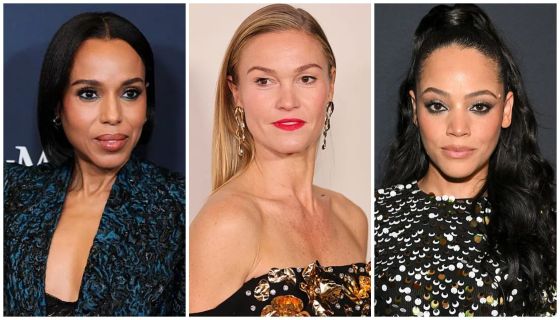
Julia Stiles reunited with Sean Patrick Thomas for a Save the Last Dance tribute, putting the film’s lasting appeal back in focus. According to PEOPLE’s reporting, the pair shared a Dancing with the Stars stage in October 2026, revisiting the movie that paired ballet ambition with Chicago hip hop. Cute reunion? Absolutely. But the better conversation reaches beyond Sara and Derek getting another moment together. Kerry Washington and Bianca Lawson helped give that movie its bite, too. Their characters brought friction and perspective that a crowd pleasing audition sequence could not supply on its own. Twenty five years after its release, the whole ensemble deserves attention, not just the couple at the center.
Released in 2001, Save the Last Dance earned more than $130 million worldwide, according to Us Weekly’s cast retrospective. Stiles played Sara Johnson, a young ballerina whose mother’s death interrupts her Juilliard plans. Moving to Chicago’s South Side puts her in Derek Reynolds’ orbit. She moves in with her father, played by Terry Kinney, carrying grief alongside those stalled dance ambitions. Thomas’ character has college ambitions of his own, plus dance skills that help Sara loosen up. Washington plays Derek’s sister Chenille, a young mother who refuses to pretend race disappears because two teenagers catch feelings. Lawson’s Nikki brings another source of tension. That supporting cast gives the romance a world to answer to, rather than an empty dance floor.
Stiles went on to the Bourne franchise and Hustlers, but Sara remains one of her signature roles. She was just 19 when she played Sara, making this return a reunion with her younger self, too. The supplied reporting describes her Dancing with the Stars performance with Ezra Sosa as a jazz routine to Jennifer Lopez’s “Jenny from the Block.” It incorporated Sara’s Juilliard audition choreography. “I wasn’t gonna come on this show and recreate that dance and not step it up a notch,” she told PEOPLE. That is the right attitude toward a beloved performance: respect the original without pretending growth never happened. The video below accompanies this look back at the film’s staying power.
That return to Sara matters because Stiles described feeling more comfortable with herself now than she did during the original film. Thomas’ presence made the occasion personal, but his career deserves its own spotlight. “I got to wave, and it was full circle,” Stiles said of seeing him before the show. He followed Save the Last Dance with the Barbershop films and later appeared in Till and the television series For All Mankind. Those credits stretch across comedy, historical drama and speculative television. Derek may be the role that introduces him to another generation of viewers, but it cannot explain his entire range. The man did not stop working when the audition music stopped. Any honest cast update should make room for that distinction.
Washington’s next chapters made the supporting player impossible to overlook. Ray and The Last King of Scotland preceded her defining television run as Olivia Pope on Scandal, which premiered in 2012. She also built a producing career through Simpson Street. Lawson, meanwhile, accumulated credits across Buffy the Vampire Slayer, Pretty Little Liars and Teen Wolf before playing Darla on Queen Sugar. That performance offered something far beyond the familiar joke about her looking forever young. Darla required emotional weight, vulnerability and room to change. Both women’s careers challenge the idea that the biggest role in one teen movie predicts the biggest future. Keep that wider ensemble in mind alongside the next video.
The film’s history also stretches beyond any single clip. Save the Last Dance arrived after Love & Basketball in 2000 and before Honey in 2003 and Step Up in 2006. Those movies offered different combinations of ambition, romance, athletic discipline and dance. They were not interchangeable. Love & Basketball centered two Black leads whose dreams could clash without making either person merely a lesson. Save the Last Dance put a white heroine’s artistic breakthrough inside a largely Black social world. That choice shaped whose interior life received the most space. Its commercial success also produced a 2006 sequel without Stiles, proof that the title could travel separately from its original star. That follow up went straight to DVD, a different distribution lane that extended the property without bringing its original leading lady back to carry another theatrical release.
The reunion is sweet, but nostalgia should not decide whose work gets remembered and whose gets reduced.
Black characters deserve futures, not just functions in somebody else’s coming of age.
For the actors, a career retrospective should offer more than a familiar screenshot and a cheerful update. Washington’s producing work represents creative authority, not simply another credit. Through Simpson Street, that authority extends beyond delivering a performance to helping determine which stories get told. Lawson’s Darla demonstrates what happens when an actor gets material beyond teenage rivalry. Thomas’ varied roles deserve attention without requiring him to perform Derek forever. Stiles can enjoy Sara while remaining an adult artist with other interests. The audience loses something when every performer becomes a permanent souvenir of their first big hit. Give them their signature scene, then ask what they built afterward. Flowers should recognize the full garden, not the one bloom everybody already photographed. That is how a reunion becomes recognition rather than a rerun.
For Hollywood, the tougher issue is who gets to turn cultural fluency into a starring vehicle. Sara’s access to hip hop becomes part of her artistic transformation. The Black people teaching, challenging and supporting her get less room for their own transformations. Derek is pursuing a future, too, yet the big audition payoff belongs to Sara. Whose ambition gets the grand finale is an editorial choice. That does not make the romance worthless or every viewer’s affection suspect. It makes the allocation of attention worth discussing. PVN’s question about who gets credit for Bay Area hip hop’s influence belongs in this conversation about recognition, too. Appreciation gets thin when the people supplying the style become background to somebody else’s breakthrough. Carry that question into the Instagram post below.
For viewers, the point is not to pass a purity test before pressing play. The question following that post belongs to the audience, too: who gets remembered when a favorite movie returns? Someone can love Derek and Sara together while noticing how much explaining Chenille must do. Somebody else can enjoy Nikki’s sharpness while wishing the script gave her more than romantic opposition. There is room in the group chat for the soundtrack memories and a real conversation about those limits. Black characters deserve futures, not just functions in somebody else’s coming of age. Younger viewers also deserve permission to meet these actors through later work. Starting with Queen Sugar instead of a 2001 teen romance does not make anyone late. It offers a different doorway into a substantial career.
Race and class are doing real work inside this story. Sara’s ballet training carries institutional prestige; hip hop supplies the freedom her dancing supposedly lacks. Derek’s academic ambition helps establish him as a romantic prospect audiences should trust. Chenille must explain racial resentment while managing motherhood. Notice how much responsibility sits with the Black siblings: one helps restore Sara’s confidence, while the other supplies context her new surroundings demand. Those choices reveal which characters need credentials, explanations or respectability before a mainstream romance will make space for them. Black audiences can celebrate the chemistry without accepting those terms as natural. The same concern informs the question behind who gets Snoop Dogg’s story right: affection for a familiar name does not replace thoughtful choices about whose perspective leads.
Advertisement
The next worthwhile chapter does not require a remake announcement or another reunion. Watch what these performers choose, produce and get asked about next. A strong anniversary interview would ask Lawson about building Darla, Washington about creative control and Thomas about moving between genres. Stiles deserves questions about growth beyond recreating a dance people already know. Fans can help by seeking out those projects and discussing performances with the same enthusiasm reserved for a throwback clip. Save the Last Dance earned its place in the group chat. Now let the people who made it memorable take up more space than their old characters.
More from PowerVault Network: