Tamarius Davis Sentenced for Killing Dustin Wakefield: A Community's Quest for Justice
By Jasmine Reed, PowerVault Staff Tamarius Davis, a 27-year-old man from Florida, faces a profound sentence of 50 years in prison, followed by 25 years of probation, after his guilty plea to the murder of Dustin Wakef...
Advertisement

By Jasmine Reed, PowerVault Staff
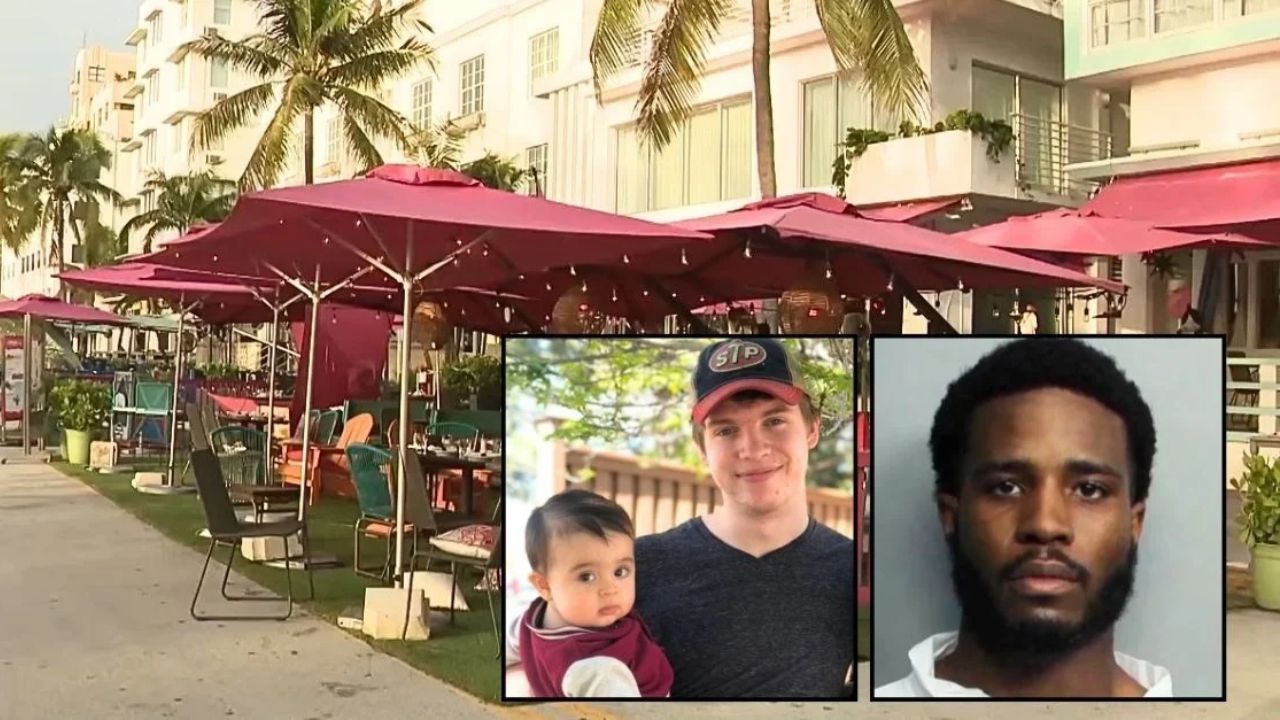
Tamarius Davis, a 27-year-old man from Florida, faces a profound sentence of 50 years in prison, followed by 25 years of probation, after his guilty plea to the murder of Dustin Wakefield. This tragic incident occurred at a sidewalk café in Miami, where Wakefield's courageous act of shielding his 1-year-old son from Davis's firearm resulted in his own death. The aftermath of this senseless violence has deeply impacted the community, sparking widespread discussions about the adequacy of justice served, the role of mental health in violent crimes, and the accountability of individuals under the influence of substances. The case has become a focal point not only for those directly affected but also for observers nationwide who grapple with understanding the intersection of law, personal responsibility, and systemic failure.
The crime that took place in August 2021 reverberated far beyond the Miami community, capturing national attention due to its shocking nature. Dustin Wakefield, a 21-year-old visiting from Colorado, was with his family on Ocean Drive, enjoying a peaceful day that turned into a nightmare. Tamarius Davis, reportedly under the influence of hallucinogenic mushrooms, approached with lethal intent. The Miami Herald reports that Davis ominously declared "It's time to die" before he shot Wakefield, an act that shows the unpredictable and dangerous effects of substance-induced psychosis. This incident not only devastated a family but also highlighted the vulnerabilities faced by everyday people when confronted with random acts of violence. It puts a spotlight on how society can better anticipate and mitigate such unpredictable threats.
The chilling details of the incident paint a vivid picture of heroism and tragedy. Dustin Wakefield’s uncle recounted the terrifying moment when the gunman pointed a pistol at Wakefield's young son, prompting Dustin to step in, pleading, "He's only a boy." This moment of pure selflessness resulted in the ultimate sacrifice, his own life. Lora Wakefield, Dustin's mother, told NBC affiliate KUSA that her son was not only a hero to his own family but to everyone who witnessed his bravery that day. The emotional aftermath, captured on video, serves as a haunting reminder of the human cost of such senseless violence. Dustin's actions left a lasting impression on those present, showcasing the profound courage in the face of imminent danger.
Davis, facing the weight of his actions, did not contest his role in the murder and entered a guilty plea for second-degree murder. Legal reports revealed that Davis was under the influence of mushrooms, which he claimed gave him a false sense of invincibility and led to the tragic assault. The devastation his actions caused is immeasurable, as evidenced by the statements from Wakefield's family, who described how Dustin was shot multiple times, including while defenseless on the ground. This brutal attack not only shattered a family but also left the community grappling with the senselessness of the violence. It highlights the destructive potential of drug-induced states and the dire need for addressing substance abuse more effectively.
As Tamarius Davis was taken away to serve his sentence, significant questions about his mental state at the time lingered. The court was presented with arguments that Davis had randomly chosen the Wakefield family, with his defense team advocating for leniency due to his impaired condition. Nonetheless, prosecutors argued vigorously for a life sentence, maintaining that the calculated execution of a man defending his child warranted the harshest penalty. The extensive coverage by WSVN offered an in-depth look into the complexities of the sentencing, revealing the tension between understanding impairment and administering justice. This case shows the challenges the legal system faces in balancing accountability with the realities of mental health and substance use.
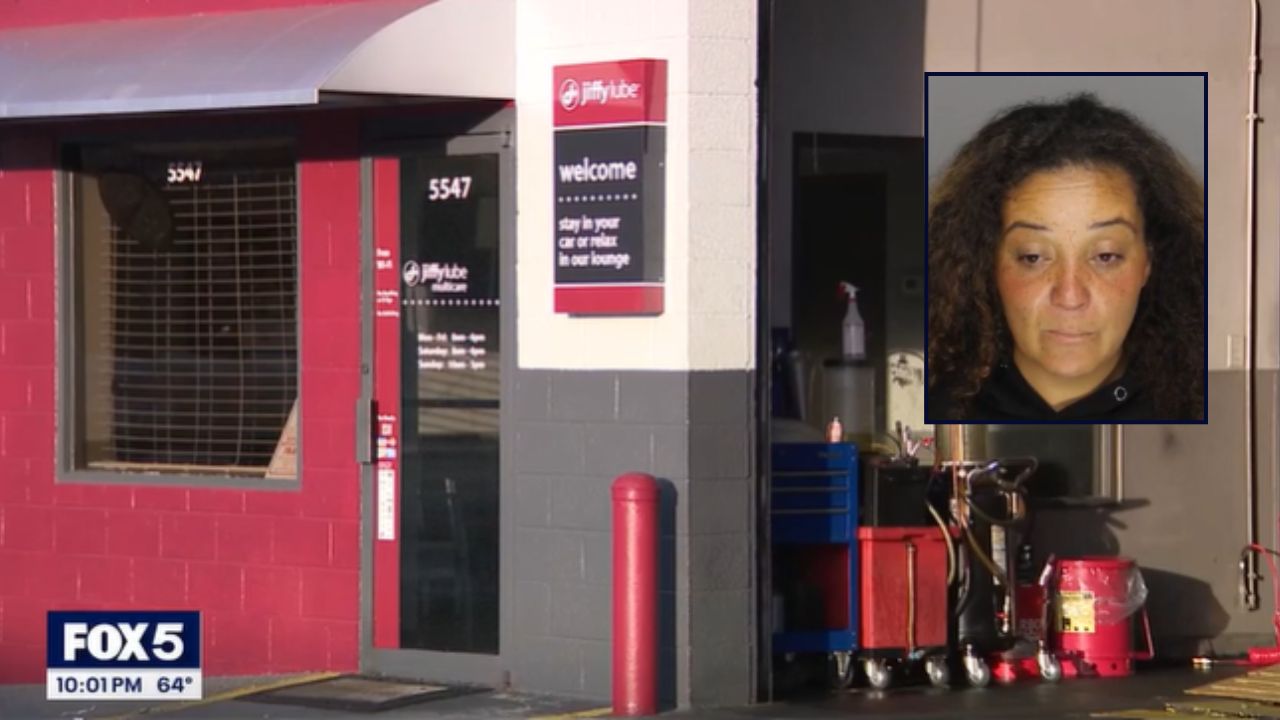
The case of Tamarius Davis highlights a troubling pattern where mental health issues and substance abuse are central to violent acts. This incident is reminiscent of other tragedies, such as Laraven Davis's Jiffy Lube abandonment, which also exposed systemic shortfalls in addressing mental health crises before they escalate into violence. Similarly, the 2012 Aurora theater shooting underscored the urgent need for comprehensive mental health interventions. These events collectively suggest that the system often acts only after irreparable harm has occurred, failing to implement proactive measures that could prevent such tragedies. The recurring theme is a system that reacts to, rather than anticipates, the dire consequences of untreated mental health issues combined with substance abuse.
The question remains: why does the system fail to prevent such tragedies when the warning signs are often clear? Davis’s case, like many others, suggests that both the mental health system and law enforcement need to work in tandem to address potential threats before they manifest in violence.
We must ask ourselves how a justice system crafted to protect can still leave families like the Wakefields with so many unanswered questions.
The sentencing of Davis carries deep ramifications for the Wakefield family, who are left to handle the chasm of loss that can never truly be filled. This event also serves as a stark reminder of the broader ramifications on communities that must grapple with the repercussions of violent crime. The narrative extends beyond this isolated incident to reflect the community's enduring struggle for justice and the assurance of safety. Lora Wakefield's poignant declaration, "You just can't take a life," resonates deeply, encapsulating a universal demand for accountability and justice. Her words reflect a shared societal struggle to find meaning and justice in the face of unspeakable loss, highlighting the need for ongoing dialogue and reform.
From a systemic vantage point, this case shows the judiciary's ongoing challenge to find equilibrium between punishment and the potential for rehabilitation. The judge, striving for a balance, rendered a sentence that was heavier than what Davis's defense sought but fell short of the life term prosecutors demanded. This decision mirrors the intricate nature of delivering justice, where the penalties must be commensurate with the crime yet leave room for the possibility of redemption. The judgment reflects the court's attempt to weigh the gravity of Davis's actions against the potential for future rehabilitation, highlighting the inherent complexities involved in meting out justice that is both fair and forward-looking.
The Wakefield family's ordeal prompts crucial questions about a justice system designed to protect yet often leaving victims' families with unresolved questions. The system's evolution is imperative, not merely to serve justice but to function as a deterrent against such senseless violence. This case shows the pressing need for systemic reform, where the focus shifts from reactive measures to proactive strategies that can effectively prevent future tragedies. The dialogue must advance towards meaningful changes that address the root causes of violence, ensuring that the system is equipped to protect individuals and communities from needless harm and suffering, thereby fulfilling its foundational role.
Advertisement
The role of race and class dynamics in cases involving Black defendants and white victims is an essential consideration that cannot be overlooked. These societal and cultural biases often shape public perception and potentially influence judicial outcomes. In this case, as in many others, it is critical to scrutinize whether these dynamics swayed the sentencing decisions, reflecting broader patterns of uneven justice distribution. Understanding the impact of these biases is crucial in striving for a more equitable legal system that ensures justice is served impartially, free from the prejudices that have historically skewed outcomes and perpetuated systemic inequities.
As the community comes to terms with the tragedy, families like the Wakefields face a long journey towards healing. However, this case transcends individual grief and signifies a broader call for systemic change. It is not sufficient for the system to react post-crisis; it necessitates a proactive stance to avert future tragedies. The systemic shortcomings exposed by this case must be addressed to prevent similar occurrences. While the Wakefields handle their profound loss, the broader call to action remains, to reform a justice system that too often fails to deliver comprehensive justice, ensuring it evolves to meet the demands of true accountability and prevention.