Terry Jefferson Sentenced: What Led to a Friend's Killing While Moving
By Marcus Ellison, PowerVault Staff The Highland Court apartments in Milwaukee, Wisconsin, stood silent as the sun dipped below the horizon on February 26, 2025. This serene picture quickly transformed into a scene of...
By Marcus Ellison, PowerVault Staff
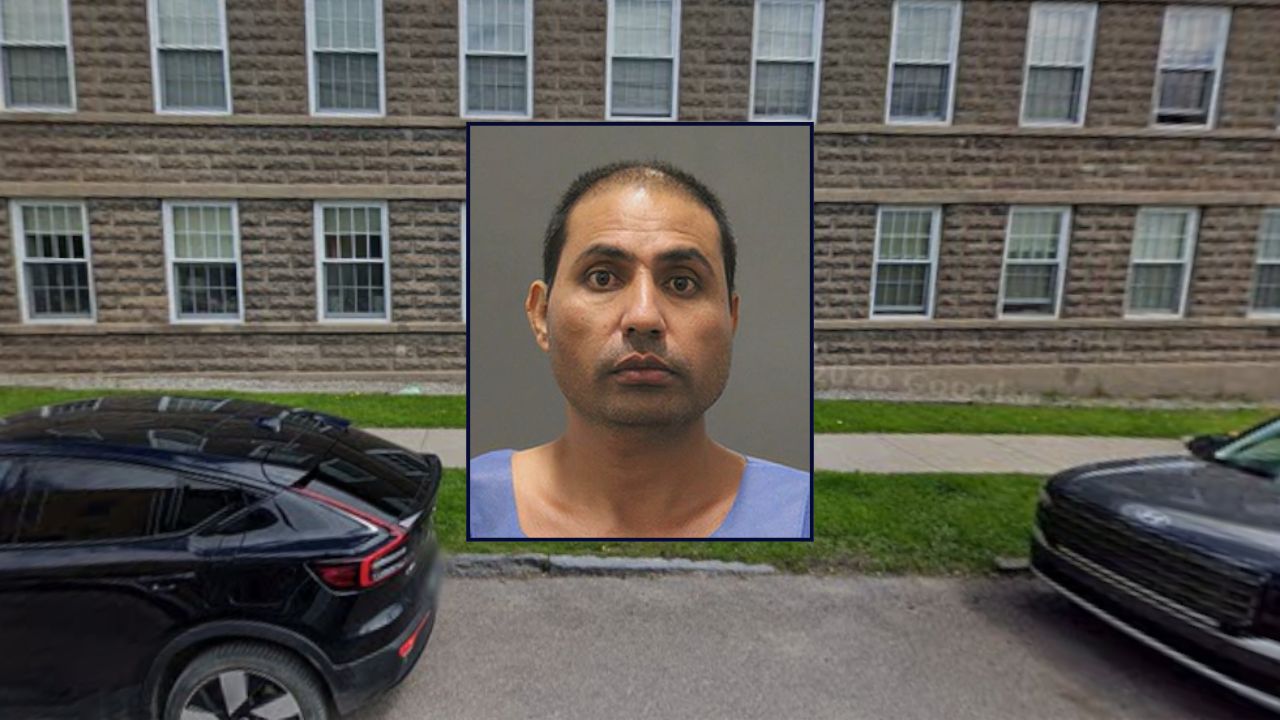
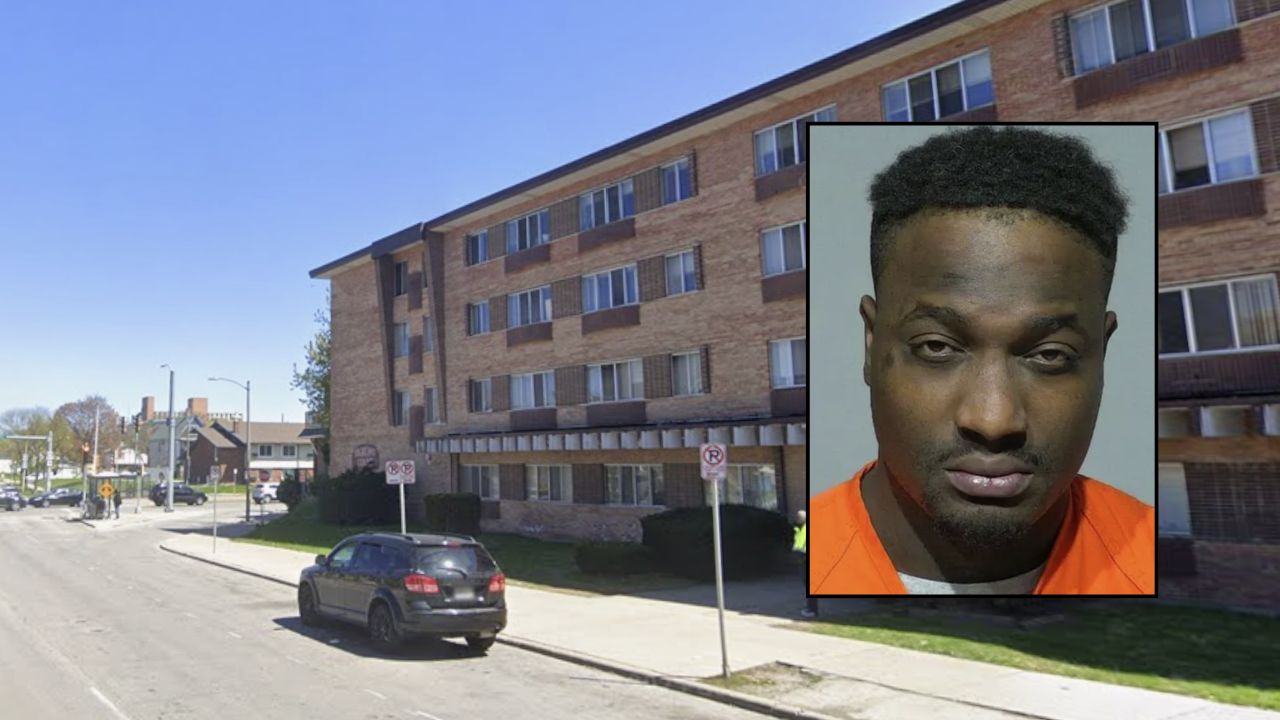
The Highland Court apartments in Milwaukee, Wisconsin, stood silent as the sun dipped below the horizon on February 26, 2025. This serene picture quickly transformed into a scene of chaos as the sharp sound of gunfire shattered the evening calm, echoing ominously through the hallways. What should have been a routine day of moving into a new home for Terry Jefferson turned into a scene of chaos and tragedy as gunshots rang out. The air was thick with disbelief as neighbors, caught off guard by the sudden eruption of violence, struggled to comprehend the situation unfolding in their midst. This unexpected and shocking event left a mark on the community, forever altering their sense of safety and peace.
Terry Jefferson, 35, who was supposed to start a new chapter in his life by moving into a new apartment, ended up with a life sentence instead. On October 8, Jefferson was found guilty of first-degree intentional homicide for the death of his friend, Charles Williams. The two men had been in the middle of moving Jefferson’s belongings when the situation spiraled out of control, resulting in Williams' death. As the trial unfolded, a jury was tasked with unraveling the truth behind Jefferson's claim of self-defense, a narrative that ultimately failed to hold up under scrutiny. Despite his assertions, the jury found the evidence of premeditation convincing, leading to Jefferson's conviction, a decision that spelled the end of his freedom and sparked conversations about the complexities of self-defense claims.
According to the criminal complaint, officers arrived on the scene to find Williams bleeding and in obvious pain, while Jefferson was standing nearby with a gun. He surrendered peacefully when ordered by the officers. But what led to the gunfire? An apartment manager heard a single gunshot, followed by Jefferson's claim that Williams had tried to grab his gun and shot himself. However, the subsequent six or seven gunshots in rapid succession painted a different picture altogether. This rapid firing suggested a level of intent and aggression inconsistent with the narrative of self-defense Jefferson attempted to portray. The discrepancy between Jefferson's account and the physical evidence raised significant questions about his true intentions, casting doubt on the veracity of his claims.
Jefferson later told police that he had been carrying his gun in the pocket of his hooded sweatshirt. As they moved items using a shopping cart and an elevator, Jefferson claimed that Williams got too close and tried to reach for his gun, prompting him to shoot Williams in the face. Jefferson’s actions following the first shot raise more questions than answers. Moving the cart to avoid blood on his belongings and trying to clear a jammed gun while Williams lay wounded, these details complicate the narrative he tried to present in court. The cold calculation of moving his possessions to avoid bloodstains starkly contrasted with the chaos of the situation, suggesting a detachment from the immediate human tragedy unfolding before him.
Jefferson's account of the incident, insisting that Williams was reaching for his gun, failed to convince the jury. The evidence presented at trial suggested a deliberate act rather than self-defense. Jefferson emptied his gun into Williams, further undermining his claim. The chilling execution of events was captured in the details presented during the trial, as shown in the video below. Each piece of evidence meticulously dismantled Jefferson's defense, portraying a scenario where his actions were driven by intent rather than fear. The jury, faced with the stark reality of forensic evidence and eyewitness accounts, reached a unanimous decision that Jefferson's actions were not justified under the circumstances he described, culminating in a life sentence.
This disturbing case is not an isolated incident but part of a broader pattern of gun violence involving personal relationships. The United States has seen its share of such tragedies before. One notable case that comes to mind is the 2024 incident of Bal Khadka, whose family was torn apart in a similar senseless act of violence. Such cases force us to confront the real and present dangers of firearms in close quarters, highlighting systemic failures in gun control and mental health intervention. The prevalence of firearms in domestic settings often turns personal disputes into lethal encounters, underscoring the urgent need for comprehensive reform. This pattern of violence reveals vulnerabilities in our social fabric, calling for a reevaluation of how we address conflict resolution and mental health support.
This case shows a chilling reality: the justice system struggles to understand the complexities of personal relationships intertwined with gun violence.
This case shows a chilling reality: the justice system struggles to understand the complexities of personal relationships intertwined with gun violence.
From a societal standpoint, the Jefferson case reveals deep-rooted issues within our community. It shows how easily trust can be broken and how dire the consequences can be when firearms are introduced into personal conflicts. The culture of gun ownership in America, often defended on the grounds of self-defense, was tested here and found wanting. A man lost his life, and another will spend his behind bars, all because of a moment of distrust and panic. This incident serves as a poignant reminder of the thin line between safety and violence, illustrating the potential for irreversible consequences when firearms are present. The societal implications are profound, prompting discussions about the role of gun ownership in personal safety and the responsibilities that come with it.
For the legal system, this case highlights the ongoing challenges in adjudicating claims of self-defense. As seen in the trial, Jefferson’s narrative of self-defense was meticulously dissected and ultimately rejected. The outcome reflects a need for clearer legislation and stricter scrutiny of self-defense claims, especially in cases involving friends or family. The justice system must be prepared to address the nuances in these relationships to prevent future miscarriages of justice. This case shows the importance of understanding the complexities inherent in self-defense claims, particularly when personal relationships are involved, and it calls for a reexamination of how such cases are approached in the courtroom to ensure fairness and justice are served.
For our audience, particularly those tuned into the dynamics of race and class in America, this case offers a sobering look at how quickly things can escalate. In a country where gun violence disproportionately affects communities of color, this incident is a stark reminder of the extra layers of caution and scrutiny these communities often face. It's a story that resonates deeply, echoing similar tragic circumstances, like the case of Kash's tragic death, illustrating systemic issues within our judicial and social frameworks. The intersection of race, gun violence, and legal outcomes demands critical analysis, highlighting disparities in how justice is administered and perceived, urging a collective call for systemic change and equity.
Underneath this tragedy lie complex dynamics of race, class, and access to firearms. Milwaukee, a city with its own fraught racial history, serves as a backdrop for this unfolding drama. The incident forces us to confront how socio-economic factors and community relationships intersect with the prevalence of gun violence. This is more than a story about two men; it's about systemic disparities and the reality many face in urban America. The socio-economic scene of Milwaukee, marked by contrasts and tensions, amplifies the challenges faced by its residents, revealing the broader implications of inequality and access to resources, and sparking critical conversations about how these factors contribute to cycles of violence.
Looking ahead, Terry Jefferson's case will likely be studied and referenced in future discussions about gun violence and self-defense claims. As he becomes eligible for parole in 35 years, it remains to be seen how this case will influence future legal standards and community safety policies. It’s imperative that we all take a critical look at how these incidents are handled and challenge ourselves to seek solutions that prevent such tragedies from repeating. The echoes of this case will linger, urging us to ask tough questions about justice, safety, and the value of human life. This incident serves as a catalyst for change, prompting society to reevaluate the frameworks within which these tragedies occur and to seek meaningful reform.