Trayon White Sr.'s Mistrial: What It Reveals About D.C. Politics
By Jasmine Reed, PowerVault Staff The air in the courtroom was thick with tension as the jury filed back in, faces unreadable, a common scene in high-stakes trials where each decision carries profound ramifications. O...
By Jasmine Reed, PowerVault Staff
The air in the courtroom was thick with tension as the jury filed back in, faces unreadable, a common scene in high-stakes trials where each decision carries profound ramifications. On this particular day, the stakes were high for District of Columbia Council member Trayon White Sr., who stood accused of taking $35,000 in cash bribes from a city contractor. But as the jury spokesperson announced their inability to reach a unanimous verdict, a federal judge had no choice but to declare a mistrial, sending ripples through the corridors of power in Washington, D.C.
White, representing Ward 8 in southeastern Washington since 2016, was facing the kind of allegations that could end a political career. If found guilty, he would not only face up to 15 years in prison but also compulsory removal from office. The accusations stem from claims that he accepted bribes to influence the awarding of multimillion-dollar contracts for violence prevention services aimed at helping Washington-area youth. This case encapsulates a troubling narrative of political dealings and the often invisible line between service and self-interest.
The YouTube video below highlights the intense moments from the courtroom as the mistrial was declared, illustrating the atmosphere of uncertainty that shrouded the case.
From the moment the hidden camera footage emerged, showing White allegedly accepting cash from an FBI informant, public opinion was sharply divided. Supporters argue that White has been an advocate for Ward 8, a historically underserved area, focusing on youth programs and violence prevention. Detractors see the case as a symptom of deeper corruption within the local government. But beyond the surface-level drama, this case forces us to question the systemic issues at play within Washington's political scene.
U.S. Attorney Jeanine Pirro has vowed to retry the case, determined to seek a conviction. Her decision brings to light the persistent issue of how low-income and predominantly Black communities interact with the justice system, a system that many argue is rigged against them. The implications of this retrial are profound, not just for White, but for the community he represents and the city's political fabric at large.
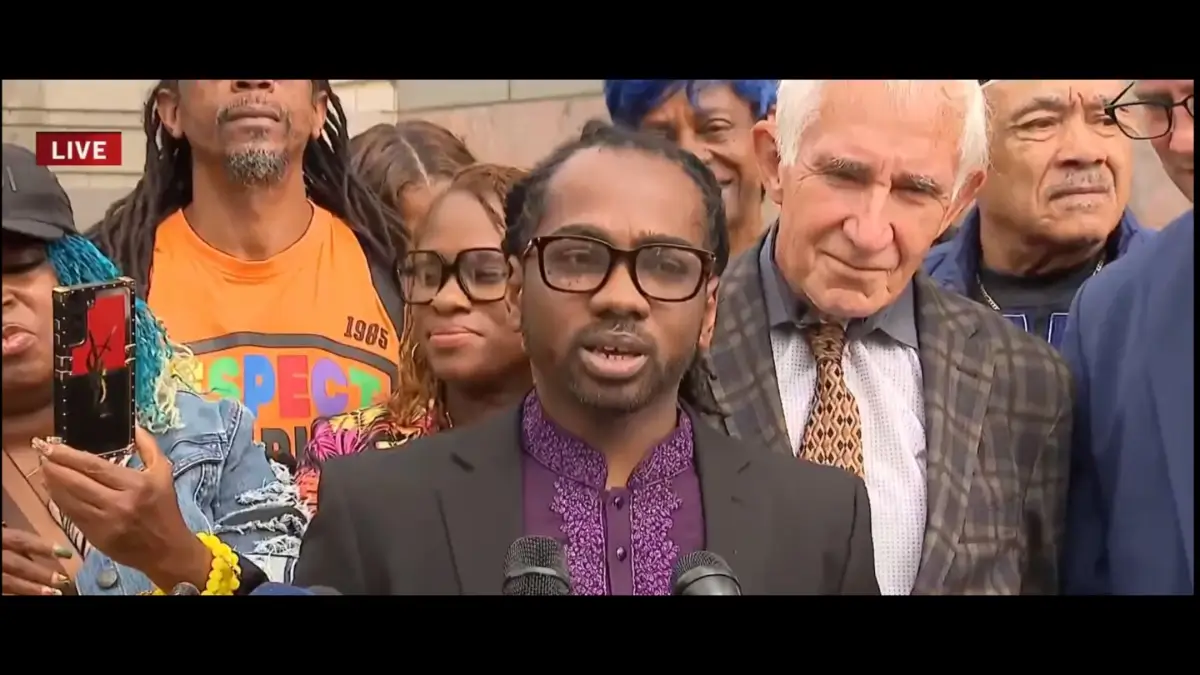
The Instagram post below captures a moment from a protest held in support of White, showcasing the community's rallying cry and their perspective on the trial's broader implications.
Historically, Black politicians have faced disproportionate scrutiny and harsher penalties in comparison to their counterparts. The shadow of historic injustices looms large, from the racially charged trials of civil rights leaders to the ongoing struggles against systemic racism in the criminal justice system. The mistrial of Trayon White Sr. Echoes these historical patterns and puts a spotlight on the fairness of his trial and the motivations behind the charges.
In a city like Washington, D.C., where the demographics and socioeconomic status of its wards vary so dramatically, the political dynamics are as complex as they are contentious. Trayon White's constituency in Ward 8 has long been one of the city's most economically disadvantaged areas, a fact that colors his political narrative and complicates the public's perception of his alleged misconduct. His work in violence prevention has been pivotal in a community craving change, making the accusations against him all the more poignant.
The clip that follows gives a broader look at the socio-political tensions in Washington, D.C., highlighting the significant challenges faced by elected officials in handling their responsibilities and the temptations of corruption.
The mistrial has sparked a wave of commentary on the state of local politics, with many questioning whether justice can truly be served in a system where power and money often speak louder than integrity. What's clear is that this case is about more than just one man. It's a reflection of a system that too often fails to separate genuine community service from personal gain. The question remains: who benefits when public trust is compromised by allegations of corruption?
This scandal also brings to light the harsh reality of political survival in a climate where public perception can change with the click of a camera shutter. As White awaits a new trial, the spotlight remains firmly on him and the systemic issues his case exposes. The outcome of this case will not only shape his future but could also set a precedent for how similar cases are handled in the future.
According to the indictment filed by federal prosecutors, the case against White hinges on recorded conversations and transactions that prosecutors argue are clear evidence of wrongdoing. Yet, the mistrial indicates that at least some jurors were not convinced beyond a reasonable doubt, a crucial standard in criminal cases that shows the challenges of prosecuting political figures.
In the end, the mistrial of Trayon White Sr. Leaves us with more questions than answers, particularly about the integrity of the political institutions we trust to serve the public good. It challenges us to look deeper at the systems that govern and the forces that manipulate them. As the community watches and waits, the next chapter of this legal saga promises to be as complex and revealing as the last.
The next steps in this case will be closely watched, not just by those in the political arena, but by the constituents who demand accountability and transparency. As the city braces for the retrial, the case of Trayon White Sr. Stands as a reminder of the ever-present tensions between power, service, and justice in American politics.