Two Assassinations, One River: The Night Sin City Killed Its Own Reformer
By Andre Coleman, PowerVault Staff "Two Assassinations, One River" is a two-part Depths of Evidence investigation into two killings that shaped the Chattahoochee Valley: Albert Patterson in Phenix City, Alabama, 1954,...
By Andre Coleman, PowerVault Staff
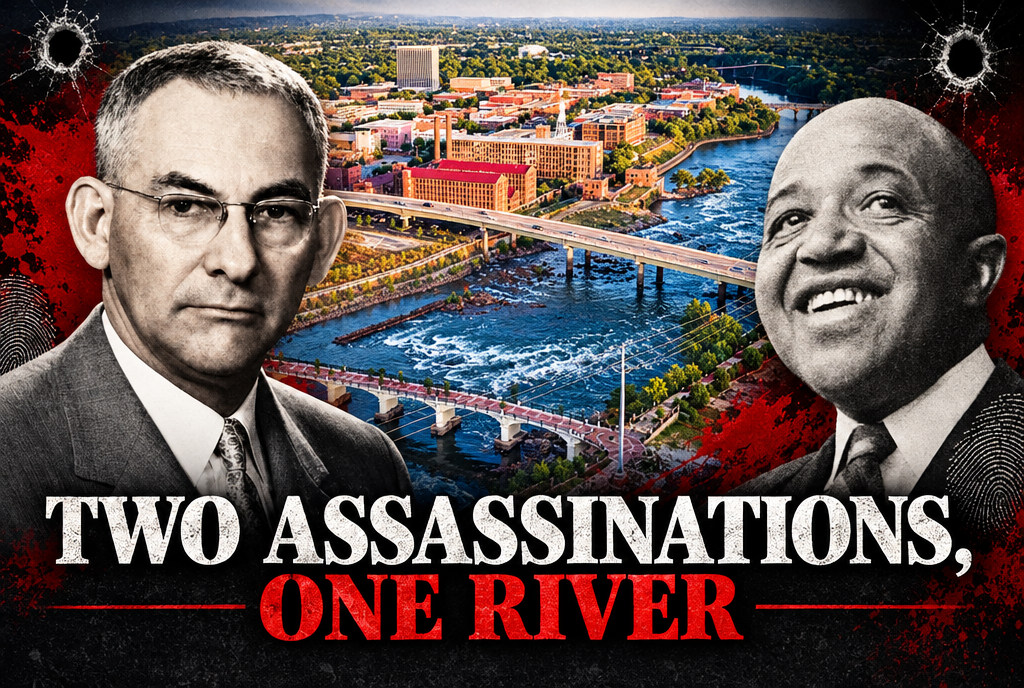
"Two Assassinations, One River" is a two-part Depths of Evidence investigation into two killings that shaped the Chattahoochee Valley: Albert Patterson in Phenix City, Alabama, 1954, and Dr. Thomas H. Brewer in Columbus, Georgia, 1956. This is Part 1. Part 2, on Dr. Brewer, is live now.
The parking lot beside the Coulter Building in Phenix City, Alabama, was dark by nine on the evening of June 18, 1954. Albert Patterson had just left his law office upstairs. He was sixty, a First World War veteran who had taken shrapnel in France, won the French Croix de Guerre, and walked with a cane ever since. He had spent the last year of his life promising to do one thing: burn the machine that ran his town to the ground. As he reached his car, a man stepped out of the dark and shot him three times. Patterson stumbled back to the sidewalk and died within minutes. The people who ran to help him could not name the shooter. Eight days earlier, Patterson had won the Democratic runoff for attorney general of Alabama by a whisker, after his opponent's people allegedly bought and stole votes across the state to try to deny him the nomination. He won anyway. He never lived to take the oath.
To understand why somebody killed him, you have to understand what he was about to inherit power over. Phenix City sat on the Chattahoochee River directly across from Columbus, Georgia, and the popular press had long called it the wickedest city in America. That was not a metaphor. The town had a documented hundred-and-twenty-year history of illegal gambling, prostitution, and bootleg liquor, all of it protected by the sheriff, the judges, and the county solicitor. By the early 1950s the strip along 14th Street was a neon line of casinos, brothels, and clubs, and the river of money under all of it was the payroll of Fort Benning, the army post upstream. The trade was industrial. Investigators would later count as many as a thousand prostitutes working the town. The machine that ran it did not hide. It bought elections. It owned the outgoing attorney general of the state.
Patterson was not a reformer by temperament. He was a country lawyer from Tallapoosa County, a former school principal, a Phi Beta Kappa history graduate who put himself through Cumberland Law School in a single year. He served in the Alabama Senate from 1947 to 1951, where he wrote the bond laws that built the state's industrial plants and trade schools. When he ran for lieutenant governor in 1950, the machine turned on him and he lost. Two years later it tried to stop him from even going to the Democratic National Convention as a delegate, and failed. By then he had helped found the Russell Betterment Association, the citizens' group that kept trying to elect honest men to local office and kept getting beaten at the polls by fraud and violence. The association decided the only way to break the machine was to put one of their own into a statewide office with the power to act. Patterson announced for attorney general in early 1954 on a single promise: clean up Phenix City.
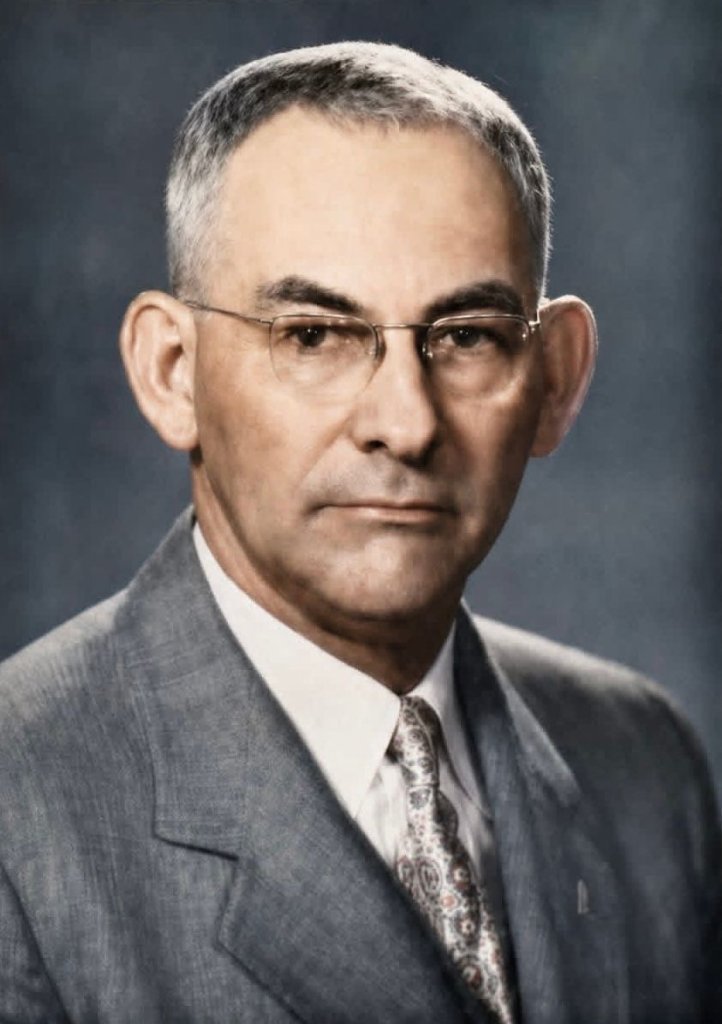
He won the first primary in May but not by enough to avoid a runoff. In the June runoff, the returns seesawed for days as his opponent's Phenix City supporters allegedly worked the state. The Democratic executive committee finally declared Patterson the nominee on June 10. He had eight days to live. The state would later argue that the people who killed him understood, better than anyone, what a Patterson attorney general meant for a hundred and twenty years of protected vice.
What Alabama did next is the part that matters for this series. Within weeks, Governor Gordon Persons declared limited martial law and ordered the Alabama National Guard to take over law enforcement in Russell County from the local police and sheriff. Special prosecutors and a Montgomery circuit judge, Walter B. Jones, were sent in to replace the local judiciary. State agents from the Department of Public Safety took the murder case away from the county. A special grand jury returned 734 indictments, against law enforcement officers, club owners, elected officials, and the operators of the syndicate. The chief deputy, Albert Fuller, was convicted of Patterson's murder and sent to prison for life. The circuit solicitor, Arch Ferrell, was acquitted. The outgoing attorney general himself, Si Garrett, was indicted for the murder and never brought to trial, spending much of the next year in a mental hospital. Patterson had told people the cleanup would take ten years. His killing got it done in seven months. The syndicate was dismantled. The clubs went dark. Gambling equipment was burned in the streets. In 1955, Allied Artists released The Phenix City Story, a feature film dramatizing the murder, and the country watched.
Here is where the record has to be read honestly, because the cleanup is usually told as a clean American victory. The money that fed the machine was soldiers' pay, and Fort Benning trained Black soldiers as well as white ones. Their dollars were milked on the Alabama side of the bridge the same as anyone's. And the bottom rung of that sin economy, the laundries, the kitchens, the hotel work, the service jobs that kept the strip running, was held by Black workers on both banks of the river. Nobody counted what the cleanup cost them. When the clubs shut and the guardsmen went home, the paychecks went with them, and nobody in Montgomery sent a plan for what would replace them. The National Guard was there to raid gambling houses, not to build anything for the Black neighborhoods of Phenix City or Columbus. The reformers cleaned the vice. They did not clean the poverty that made the vice pay.
The bitter turn came in the son. John Patterson rode his father's murder straight into the attorney general's office in 1955, and then into the governor's mansion in 1958. What he did with the power tells you exactly whose freedom the cleanup was for. In 1956, as attorney general, he moved to bar the NAACP from operating in Alabama. That same year he fought Autherine Lucy's admission to the University of Alabama, the first Black student to enroll there, until riots and the state's pressure drove her off campus. He built a career on the hard line. George Wallace ran against him for governor in 1958 and lost, and walked out of that race vowing he would never be outflanked on race again. Wallace kept his word at the schoolhouse door in 1963. The machine that ran Phenix City died in a parking lot in 1954. The machinery of Jim Crow did not. The cleanup that avenged one white lawyer's death was perfected, within two years, into the apparatus that would hold Black Alabama in line for another decade.
Now look across the bridge. Columbus, Georgia. The same river, the same flow of soldiers' pay, respectable by daylight, with its own quiet arrangements about who could vote and who could not. And in that city, the most dangerous man to the local order was not a white lawyer promising to clean up vice. He was a Black doctor who had already changed the law of the state of Georgia.
His name was Dr. Thomas H. Brewer. He had founded Columbus's NAACP chapter. He had funded the case, King v. Chapman, that led federal courts to strike down Georgia's all-white primary in 1945 and 1946, the ruling that cracked open the vote for every Black Georgian. He had fought for and won the hiring of Black police officers in Columbus in 1951. From the Georgia side of the river, he had watched Alabama burn its machine down. He had two years to live.
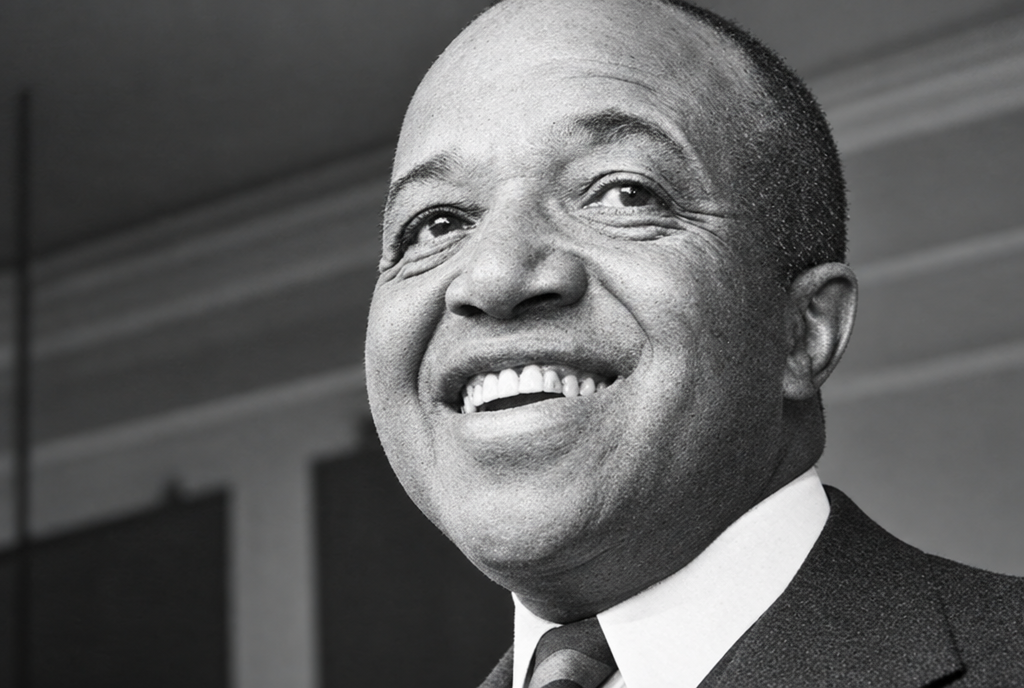
On February 18, 1956, Dr. Brewer was shot seven times inside the F&B department store on First Avenue, in the building where his medical office was located. The man who shot him, Luico Flowers, owned the store downstairs. The two had argued after witnessing a police officer beating a Black man outside the building. Flowers claimed self-defense. A local grand jury accepted the claim and declined to indict him in under two weeks. When the Black doctor was killed, no governor declared martial law. No National Guard replaced the Columbus police. No 734 indictments came down. The state of Georgia sent nobody, and asked nothing.
That is the whole series, in one contrast. Two assassinations, one river. One killing got the full force of a state government because the dead man was a white lawyer who threatened a machine that was also, conveniently, embarrassing the state in the national press. The other killing got silence, because the dead man was a Black doctor who threatened the local order of a Georgia town that the state had no interest in embarrassing. Alabama broke a mob to avenge Albert Patterson. Georgia would not even convene a real grand jury to avenge Thomas Brewer. The question is not really who pulled either trigger. The question is whose murder a southern state in 1954 and 1956 was willing to answer, and whose it was not. That is the question Part 2 lives in.
Where the record still lives, for anyone who wants to walk it: Alan Grady's When Good Men Do Nothing: The Assassination of Albert Patterson, from the University of Alabama Press, 2003. The Albert Patterson FBI File, held at the Columbus State University Archives. The Encyclopedia of Alabama. And for Part 2, Emory University's Georgia Civil Rights Cold Cases Project, PBS Frontline's Un(re)solved, and the 2015 Columbus Ledger-Enquirer interview with Lillian "Bunky" McClung. The river is still there. So are the questions.
Read Part 2: Dr. Thomas H. Brewer, The Killing Columbus Never Answered For.