Donquarious Ridley Sentenced: What Led to the Greenwood Bus Incident
By Renee Fontaine, PowerVault Staff Halloween afternoon in Greenwood, Indiana, should have been filled with the joyous sights and sounds of costumed children, laughter ringing through neighborhoods, and school buses b...

By Renee Fontaine, PowerVault Staff
Halloween afternoon in Greenwood, Indiana, should have been filled with the joyous sights and sounds of costumed children, laughter ringing through neighborhoods, and school buses bustling with the exuberance of young ones. Yet, the tranquility of October 31, 2025, was shattered when a seemingly routine bus ride transformed into a scene of chaos and violence that would capture nationwide attention. As the school bus idled quietly outside an apartment complex, Donquarious Ridley, in an alarming and aggressive move, stormed onto the bus. What began as a simple child's dispute escalated rapidly into a frightening assault, all of which was documented by the bus's internal cameras, painting a vivid picture of the ensuing turmoil.
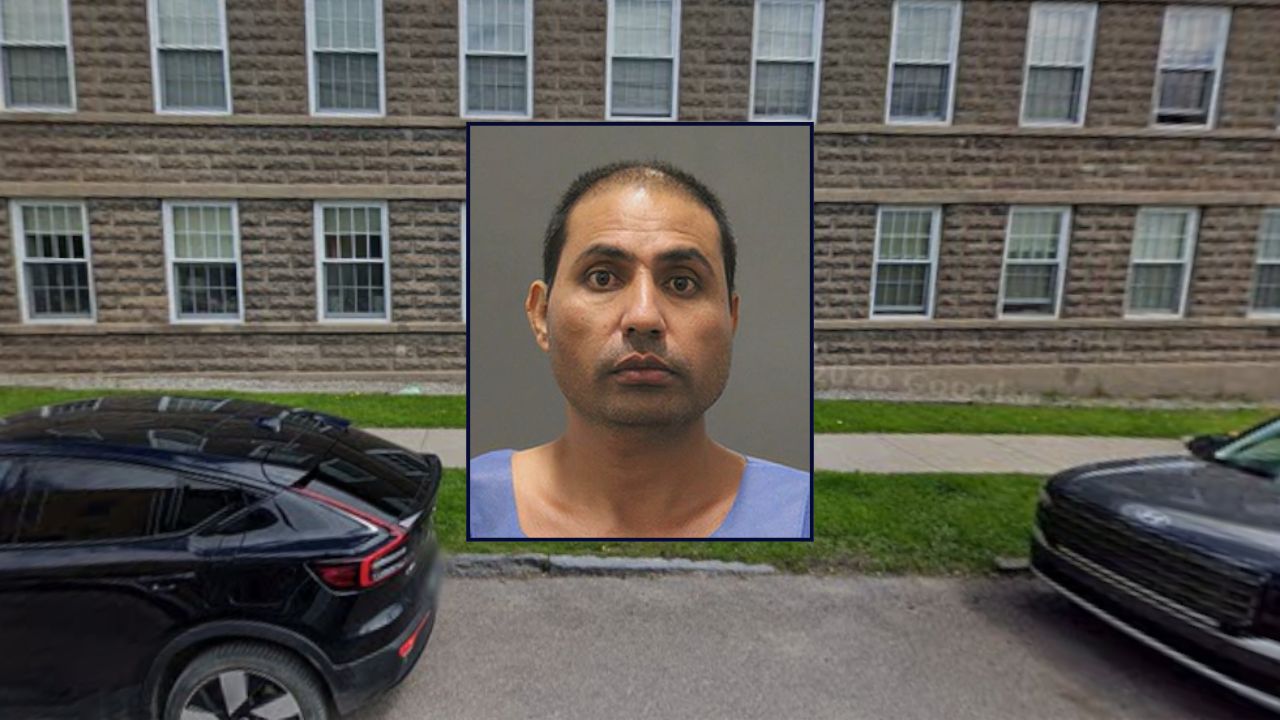
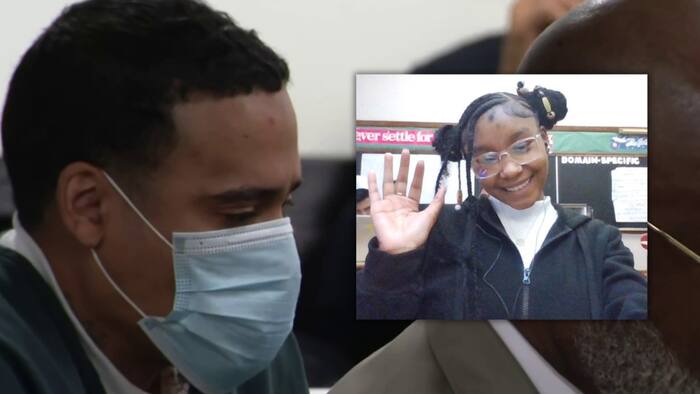
Law&Crime reported that Donquarious Ridley, a 28-year-old father, was sentenced to two years in prison after accepting guilt for charges of contributing to the delinquency of a minor and battery on a person under 14. His partner, 26-year-old Raven Barner, had already faced her legal reckoning months earlier. Together, they disrupted what should have been a safe and uneventful school bus journey, turning it into a battlefield. They urged Ridley's son to fight a child they accused of bullying him, a decision that spiraled out of control. This incident, fraught with the complexities of parental protection gone awry, highlights the volatile mix of personal grievances and misguided loyalty that can lead to such violent confrontations.
The attack, which was meticulously captured on the bus's surveillance camera, revealed the disturbing actions of Ridley and Barner. They boarded the bus without permission, a move that violated basic school transportation protocols. Barner initiated a hostile verbal exchange, threatening to 'beat his a, ' before Ridley escalated the situation by instructing his son to physically confront the same child Barner had already targeted. The footage then showed Ridley violently throwing a child to the floor, a shocking act that underscored the rapid escalation of events. The chilling nature of the video footage provided a stark view of how quickly tensions can boil over into physical violence when adults fail to model appropriate conflict resolution.
The YouTube video that follows serves as a visceral illustration of the chaos that ensued on the school bus. It captures the aggressive demeanor of the parents and the subsequent brawl that unfolded in front of a group of terrified children. This visual evidence was crucial during the court's deliberations, as it vividly demonstrated the seriousness of the charges leveled against Ridley and Barner. The footage not only highlighted the intensity of the parents' actions but also the vulnerability of the young witnesses, who were caught in a situation far beyond their control. The video became a pivotal piece of evidence, emphasizing the urgent need for accountability and justice in the face of such reckless behavior.
Barner, who was sentenced earlier, faces a year in jail followed by a term of probation. Her actions, clearly documented in the video footage, included physically striking children and inciting her stepson to engage in violence. The court has mandated that both Barner and Ridley undergo comprehensive mental health evaluations. Ridley, in addition, is required to complete anger management and substance abuse programs. These sentences are designed not only to penalize but also to address the underlying psychological and emotional issues that may have contributed to their behavior. By focusing on rehabilitation, the legal system aims to prevent future incidents and promote healing for all involved, highlighting the complexity of addressing such violent outbursts.
This incident in Greenwood is not an isolated case. It reflects a disturbing trend where adults, burdened by their own frustrations and unresolved conflicts, project these issues onto their children, sometimes resulting in violence. Recent cases, like the tragic Reginald Harrell stabbing, show similar patterns where adult interference in youth conflicts leads to devastating outcomes. Such incidents force us to question how we teach conflict resolution to our children and the societal pressures that drive adults to act recklessly. They highlight the urgent need for systemic changes in how we address and mediate conflicts, emphasizing the importance of teaching peaceful resolution techniques and the impact of adult behaviors on the younger generation.
This is more than about one fight on a school bus.
The real tragedy isn't just the fight on that bus; it's the system that failed both the children and the adults involved.
For Ridley and Barner, their actions may have been motivated by a misguided attempt to protect their child from perceived harm. However, this incident also reveals deeper issues related to unresolved trauma and the cyclical nature of violence, particularly within marginalized communities. Often, such events are seen in isolation, yet they are indicative of broader societal and systemic failures. The real tragedy extends beyond the violent encounter on that bus; it shows the systemic neglect that fails both children and adults, perpetuating cycles of violence and trauma. By examining these underlying issues, we can begin to address the root causes and work towards comprehensive solutions that prevent future occurrences and promote community healing.
The justice system, while tasked with delivering sentences, must also reflect on its preventive role. Could early intervention programs targeting at-risk families help de-escalate potentially volatile situations before they reach a breaking point? Schools and community organizations have a critical role in identifying and mediating conflicts before they become physical altercations. The sentencing of Ridley and Barner, though necessary, should spark a conversation about the need for broader systemic reforms. By focusing on prevention and early intervention, we can address the root causes of such incidents, providing support to families in need and thereby reducing the likelihood of similar events in the future. This reflective approach is essential for fostering safer and more supportive communities.
For the Greenwood community, this incident serves as a stark reminder of the societal gaps that need bridging. It challenges us to reevaluate our perceptions of parenting under pressure and the effects of socio-economic hardships. Communities must pivot from penalizing individuals to understanding the pressures that drive them to such extremes. A more supportive approach can help unravel the complex web of personal and systemic issues at play. By fostering an environment that supports rather than stigmatizes struggling families, we can create a community that understands rather than condemns, ultimately promoting healing and resilience. This approach emphasizes the importance of community solidarity and proactive support systems in addressing the fundamental causes of such incidents.
Beneath the surface of this incident lie complex layers of race, class, and systemic neglect. Historical disenfranchisement has often fostered a deep mistrust of authorities and protective systems within many Black communities. This distrust can manifest in tragic ways, where individuals take justice into their own hands, feeling unsupported by the institutions meant to protect them. Addressing these dynamics requires candid discussions and structural changes that extend beyond punitive measures. By acknowledging and tackling these entrenched issues, we can work towards building trust and creating systems that are genuinely protective and inclusive. This approach seeks to dismantle the barriers that perpetuate cycles of violence and neglect, paving the way for meaningful change.
Looking ahead, the Greenwood community and others like it must prioritize healing and preventive measures. Initiatives that encourage open dialogues about conflict, teach emotional regulation, and provide support to families in distress are critical. Reflecting on this incident, the challenge is to transform the narrative from one focused on punishment to one centered on understanding and comprehensive prevention. Ensuring our actions today lay the groundwork for a safer future is paramount. By addressing the root causes and providing the necessary support, we can protect not only the children who witnessed this chaos but also those who might feel compelled to repeat it, fostering a more resilient and harmonious community environment.