Why Davante Adams Deserves More Credit in the Super Bowl Conversation
By Marcus Ellison, PowerVault Staff Walking into the Rams' practice facility feels different this year. The energy is electric, the stakes are palpable, and Davante Adams sits at the eye of the storm. He's more than j...
Advertisement

By Marcus Ellison, PowerVault Staff
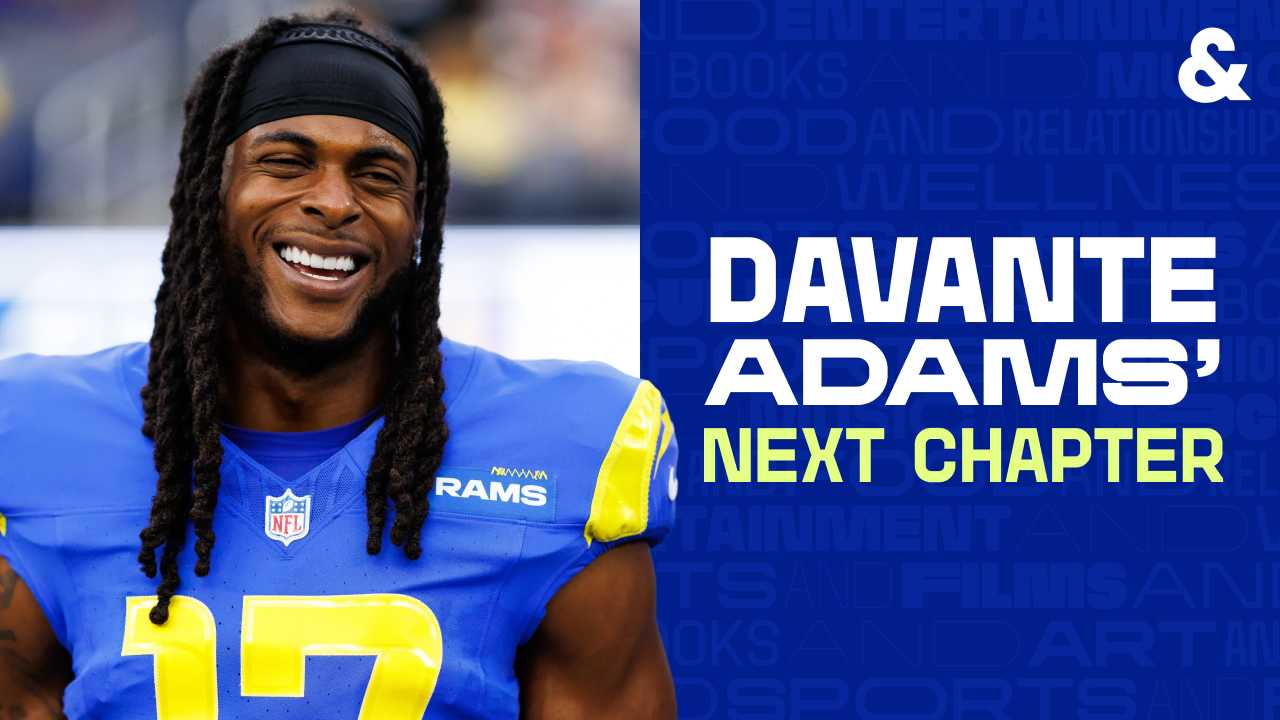
Walking into the Rams' practice facility feels different this year. The energy is electric, the stakes are palpable, and Davante Adams sits at the eye of the storm. He's more than just a star wide receiver; he’s the embodiment of perseverance and excellence in a sport that often reduces Black athletes to mere statistics. As Adams embarks on his 13th NFL season, the whispers of Super Bowl aspirations swirl around him like a whirlwind. But what does this mean for him, for the Rams, and for a broader narrative about Black athletes in the NFL?
In a recent interview with Andscape, Adams reflects on the lessons of experience, the grind of the offseason, and the importance of being in sync with Rams head coach Sean McVay. The pursuit of a championship is a familiar theme for elite athletes, but for Adams, it carries additional weight. The expectations are high, and the stakes are often intertwined with personal narratives that extend beyond the football field.
Adams credits his longevity to a mix of hard work, faith, and a sprinkle of luck, but the reality is that his success has also been shaped by a relentless drive to break through barriers. While many focus on his on-field performance, few delve into the systemic challenges he navigates as a top-tier Black athlete in a league where the coaching ranks are predominantly white and the front offices often lack diversity. Adams not only represents himself; he carries the hopes and dreams of many who want to see Black excellence recognized in all its forms.
There’s a distinct pressure that accompanies the pursuit of greatness in the NFL for Black players. They often stand in the limelight, yet behind that glare lies a struggle against racial stereotypes and the undercurrents of a sport that has, historically, undervalued their contributions. Adams' journey to the Rams is a testament to resilience,transitioning from Green Bay, where he built a reputation as one of the league's elite receivers, to Los Angeles, where he must now elevate his game and lead a young squad that seeks to reclaim its former glory.
As we watch Adams step onto the field this season, it's crucial to consider what his success means for athletes who look like him. Many are quick to celebrate the athleticism of Black players without acknowledging the complexities of their experiences. Winning comes with expectations, and failure can lead to harsh scrutiny. The narrative often shifts from admiration to blame, especially when a predominantly white media machine begins dissecting performances through a racial lens.
Adams’ connection with McVay illustrates another layer of this dynamic. They share a winning mindset, but it’s worth questioning how that mindset is shaped by race. While McVay is hailed for his innovative coaching style, Adams remains conscious that his contributions might not receive the same accolades if he were not performing at an elite level. The pressure to excel at the highest standard is persistent. For Adams, the Super Bowl is not just a title; it’s a platform that can help rewrite the narratives surrounding Black athletes in the NFL.
As the Rams enter the new season, the pressure intensifies with every snap. Adams understands that the path to a Super Bowl is paved with challenges, and while he may express confidence in his abilities, there’s an underlying reality that few talk about openly. Injuries, aging, and the relentless nature of the sport weigh heavily on not just the players, but the entire culture surrounding them. Each game is a test, and for a Black athlete like Adams, it becomes a moment to redefine what’s possible.
Moreover, the financial stakes are non-negligible. Contracts in the NFL are often scrutinized through a racial lens, with Black quarterbacks frequently facing a double standard when it comes to negotiations and expectations. Adams’ decision to join the Rams came with financial incentives, but it also speaks to a desire for control over his legacy. He represents a generation of athletes who are starting to take ownership of their narratives, pushing back against a system that has historically marginalized them.
This year, the Rams are not just in pursuit of a Super Bowl; they are also navigating a landscape that demands better treatment of its athletes. Adams stands as a advocate for this shift, using his platform to elevate the conversation around equity and representation. As fans, it’s essential to recognize that when we cheer for stars like him, we are also supporting a broader movement for acknowledgment and respect.
As the season progresses, eyes will be glued to Adams and his performance. Will he be the catalyst for the Rams' success? The stakes are high, but perhaps what matters most is what happens beyond the field. The conversations around race, equity, and representation in sports are long overdue. With every touchdown and every critical play, Adams has the opportunity to reshape the dialogue surrounding Black athletes in the NFL.
Advertisement
As fans, it's crucial to engage in this narrative, to not simply celebrate the victories but to understand the complexities that lie beneath the surface. The journey for Adams and the Rams is about more than just a championship trophy; it’s about changing the landscape for future generations of athletes. How they perform and how they are perceived can create ripples that stretch far beyond the game itself. It’s a challenge to the audience to think critically about what they witness on the field and to consider the legacies that are being forged in real-time.
This season is not merely a competition; it’s an opportunity for change. As Adams charges down the field, remember that he is not just playing for a Super Bowl ring, but he is also pushing for a narrative that finally gives Black excellence the recognition it deserves. The conversation about race, representation, and success in sports is only just beginning, and Adams is at the forefront of this movement.